Bear activity prompts closures, safety warnings after attack in Yellowstone and fatality in Glacier

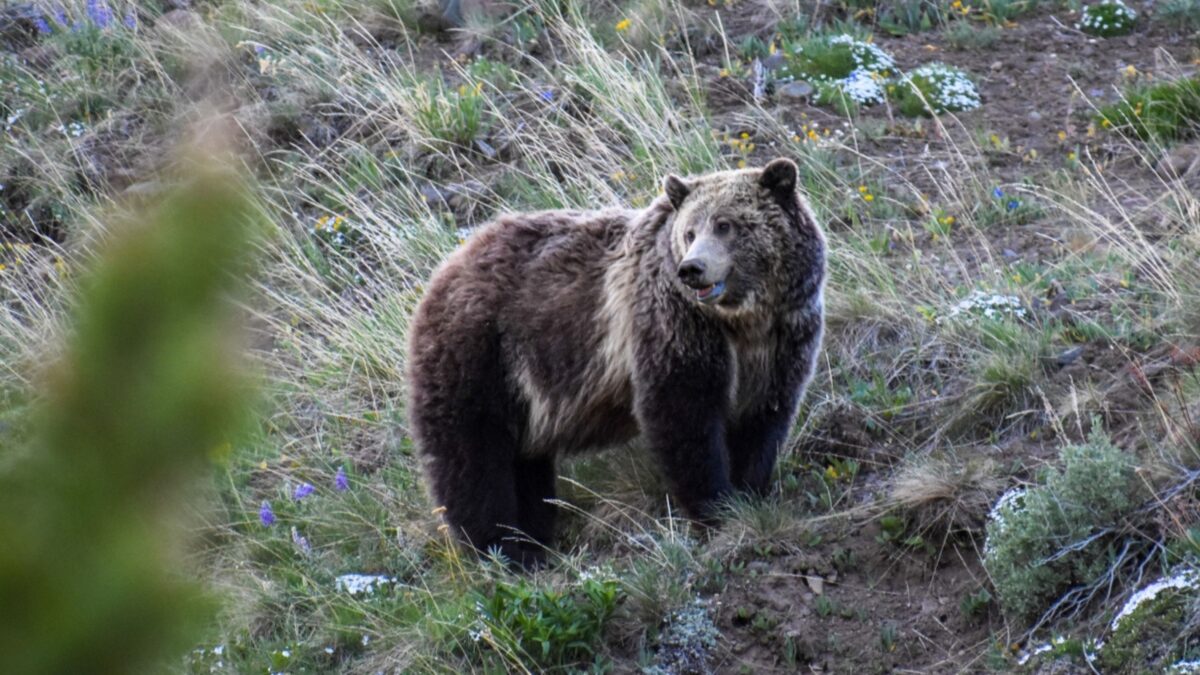
MONTANA, WYOMING — Two separate bear attacks last week left one person dead and two others hospitalized in the northern national parks.
Spring brings an increased risk of bear encounters, with bears emerging from their dens in search of limited early‑season food sources. Female bears with cubs are also known for being aggressive protectors.
Yellowstone bear attack
On the afternoon of May 4, two hikers were injured in a bear attack on the Mystic Falls Trail near Old Faithful in Yellowstone National Park, according to the National Park Service. The two male hikers, ages 15 and 28, are recovering in the hospital, according to a family member who spoke with ABC4.
The incident remains under investigation, but park officials said evidence collected so far indicates the encounter involved a female grizzly bear with two or three cubs.
The Geyser Basin boardwalk areas remain open, though much of Yellowstone’s backcountry has been closed until further notice because of bear activity.
The last time a visitor was injured by a bear in the park was in September 2025, said the park service. The last human fatality caused by a bear occurred in 2015 in the Lake Village area of the park.
Glacier National Park fatality
Just hours north in Glacier National Park, a man was reported missing after failing to check in with family on the evening of May 3. Search crews located his body on May 6 after several days of searching.
His personal items were found about 2.5 miles from the Mount Brown Trailhead, and his body was discovered roughly 50 feet off the trail in a densely wooded area “with injuries consistent with a bear encounter,” according to the National Park Service.
Park officials said the sequence of events leading to the encounter remains under investigation, though evidence suggests it was likely a surprise encounter.
The section of trail where the incident occurred has been temporarily closed while the investigation continues. Park staff are working to determine next steps based on field assessments and wildlife behavior monitoring.
The last time a visitor was injured by a bear in the park was when a 34-year-old female hiker was swiped by a “brown-colored” bear while hiking near Lake Janet. Prior to 2026, the most recent fatal bear attack in Glacier National Park occurred in May 1998.
Utah’s black bears
While Utah is only home to black bears, there have been reported sightings of grizzly bears at the Wyoming-Utah border.
The Utah Division of Wildlife Resources has warned this year that bear encounters may be more common due to drought conditions in the region.
Drought conditions impact plants and other root-like vegetation, which make up 90% of a black bear’s diet. With limited food sources, DWR biologists think bears may be looking for alternate food sources in other areas this year. “The lower food supply could lead to more bear conflicts this summer as bears look more broadly for food, particularly an increase in incidents of bears getting into people’s garbage and scavenging for food,” said a release from the division.
NPS tips for staying safe in bear country
- Stay at least 100 yards away from bears at all times
- Carry bear spray and know how to use it
- Stay alert and avoid surprising bears by watching for tracks, scat, digging sites, overturned rocks, torn logs, and ripped-open anthills
- Make noise while hiking
- Hike in groups of three or more
- Avoid hiking at dawn, dusk, or night, when grizzlies are most active
- Never run from a bear


4251 E Lipizzan Jump
Moab, UT 84532