Utah adjusts wildfire preparedness program, delays homeowner fee to 2027

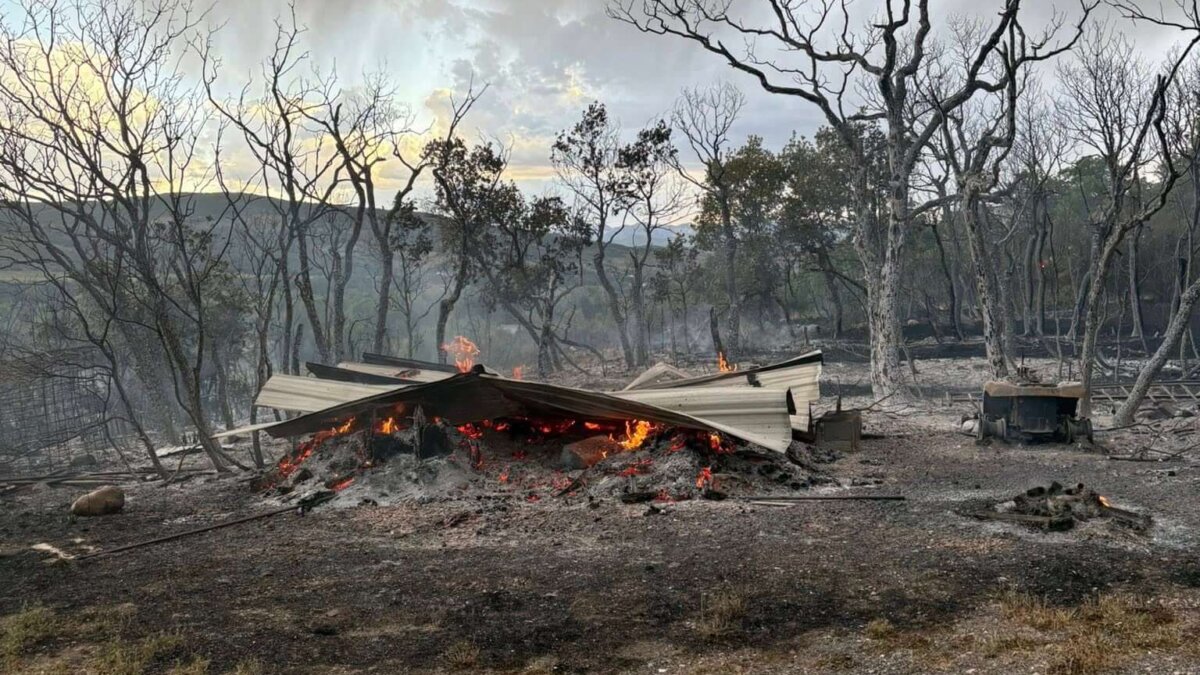
UTAH — Utah lawmakers approved a bill that adjusts the timeline and building standards tied to the state’s new wildfire preparedness program, delaying when some homeowners will begin paying the wildfire mitigation fee created under last year’s legislation.
House Bill 41, passed during the 2026 legislative session, modifies Utah’s construction and fire codes and pushes back the start date for the wildfire mitigation fee from Jan. 1, 2026, to Jan. 1, 2027.
The fee was established under House Bill 48 in 2025, which created Utah’s Wildfire Preparedness Program and requires certain homeowners in high-risk wildfire areas to contribute toward statewide mitigation efforts.
Utah’s wildfire mitigation bill
Under the original law, homeowners with structures located in designated high-risk wildland-urban interface (WUI) areas would begin paying an annual fee in 2026. The fee is intended to fund wildfire risk assessments and mitigation planning conducted by the Utah Division of Forestry, Fire and State Lands.
State officials have said the fees will range from about $20 to $100 annually per structure during the first two years of the program, based primarily on a building’s square footage.
A statewide map released in late 2025 identified roughly 60,000 buildings across Utah that fall within the high-risk WUI boundary and will be subject to the program.
The newly approved bill makes several adjustments to how the wildfire preparedness program will operate.
Under the law, counties will collect the fee from property owners in designated high-risk areas and send the funds to the state’s Utah Wildfire Fund, keeping a portion to cover administrative costs.
The bill also updates Utah’s construction code to establish construction standards designed to make homes more resistant to wildfire ignition, including provisions related to building materials, defensible space, and vegetation management.
Local governments are required to adopt and enforce these wildfire-resistant building standards in WUI areas if they want to remain eligible for state wildfire suppression assistance through cooperative agreements with the state.
Property owners whose homes fall within the high-risk WUI boundary can expect to receive notices about the program before fees begin being assessed.
State officials have said the goal is not simply to collect fees but to reduce wildfire risk across communities as Utah experiences longer and more severe fire seasons.


2266 E Garfield Avenue
Salt Lake City, UT 84108