Thaynes Canyon project tests new approach to forest fuel reduction

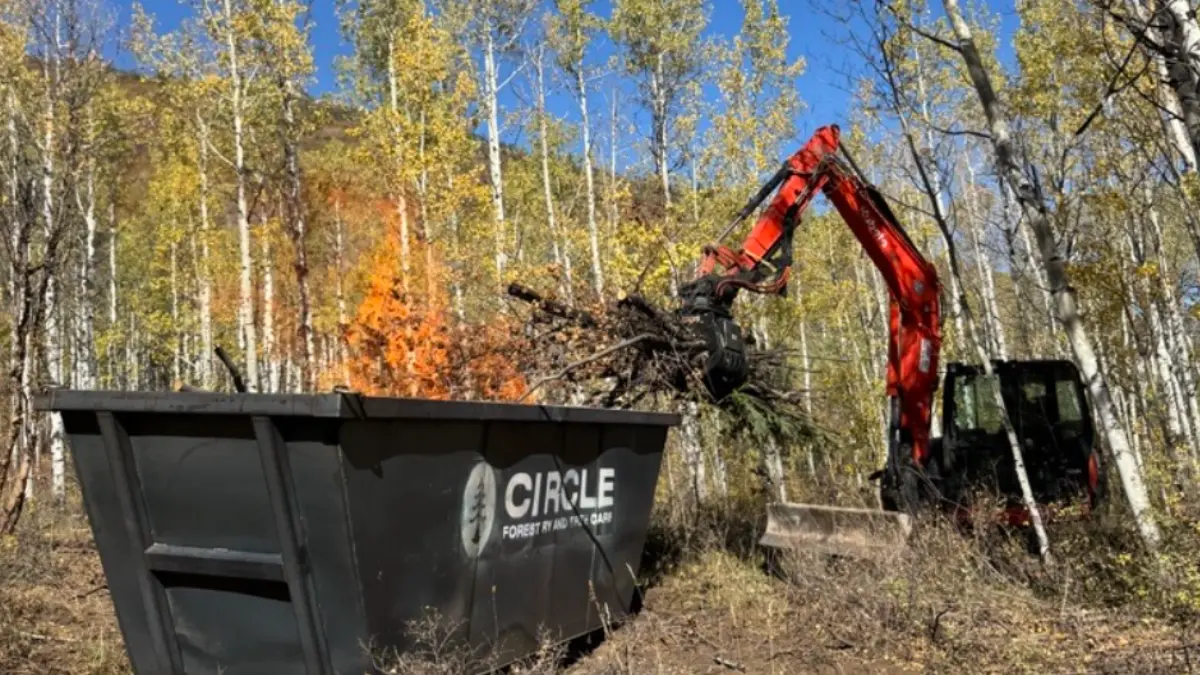
PARK CITY, Utah — Park City is testing a new approach to forest management in Thaynes Canyon, using controlled combustion to turn woody debris into something called biochar rather than simply burning it as waste.
The city’s Trails & Open Space Department is leading the pilot program in Lower Thaynes Canyon. Similar to traditional pile burning, crews gather branches, logs, brush, and other woody material collected during forest thinning. But rather than stacking and burning, they load the debris into kilns to create a stable form of charcoal, called biochar.
The pilot began in October and is scheduled to continue through November, weather permitting. The goal is to burn approximately 3,700 piles in the Thaynes Canyon and Iron Mountain areas.
The next operation is scheduled for Tuesday. Smoke may be visible, though the city said residents do not need to report it. Trails and other areas may close as needed while crews work.
Turning forest debris into biochar
Biochar is a charcoal-like material produced by heating organic matter in a controlled environment with limited oxygen. Park City’s pilot program uses specialized metal containers called flame-cap kilns to complete the process.
The kilns are loaded with larger logs at the bottom and smaller material on top. Crews light the fire from the top, creating a continuous layer of flame that burns off gases and tars released by the wood below. The kiln’s metal walls restrict oxygen to the lower material, allowing it to transform into charcoal rather than burn completely into ash.
Once the material becomes glowing charcoal, crews extinguish it with water.
The process is designed to produce less smoke than traditional open pile burning and keep flames and high temperatures elevated off the forest floor, reducing the potential for damage to soil, nearby tree roots, and soil microorganisms.
The resulting biochar can be returned to forest soils, where its porous structure can help retain water and nutrients and support forest restoration. The material can also store carbon in a stable form for long periods, rather than allowing it to be released through decomposition or conventional burning.


2266 E Garfield Avenue
Salt Lake City, UT 84108