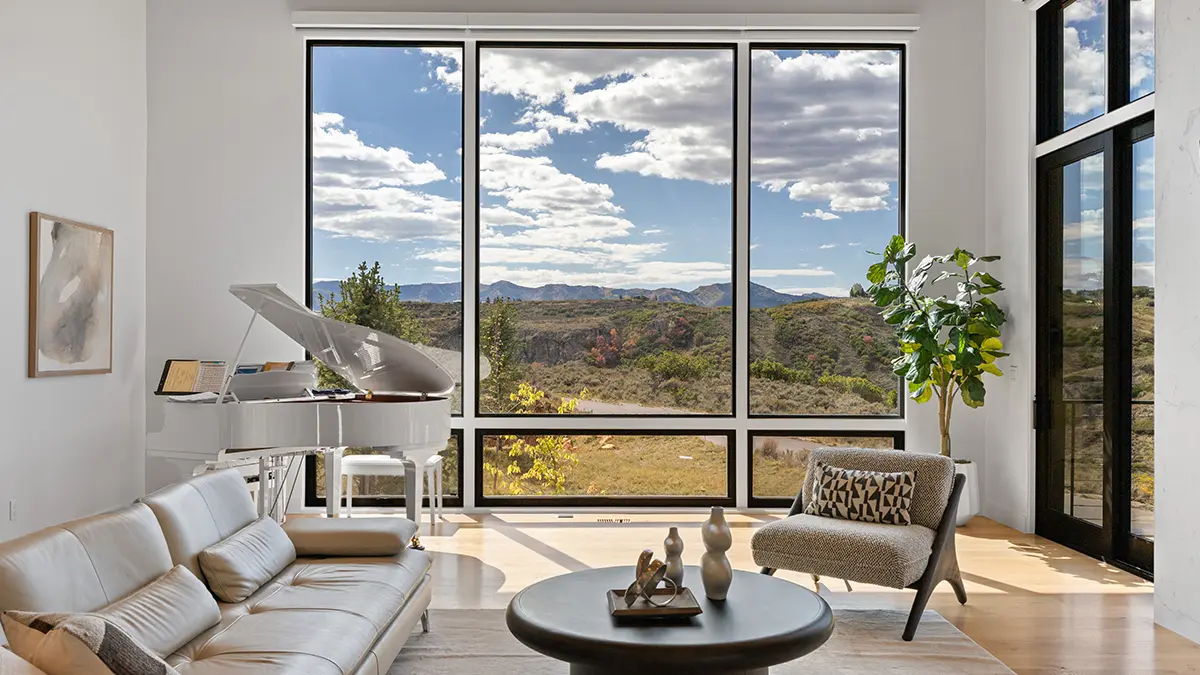
If you are thinking about selling a home in Park City right now, start with this. Buyers have not disappeared. They have become more selective.
Buyers are taking a closer look at their options, comparing properties more carefully and paying greater attention to condition, location and overall value. They are still willing to pay a premium for the right home, but they are less willing to compromise.
To understand these shifts, I analyzed third-quarter residential sales from the Park City MLS, focusing specifically on Park City Limits and Snyderville Basin.
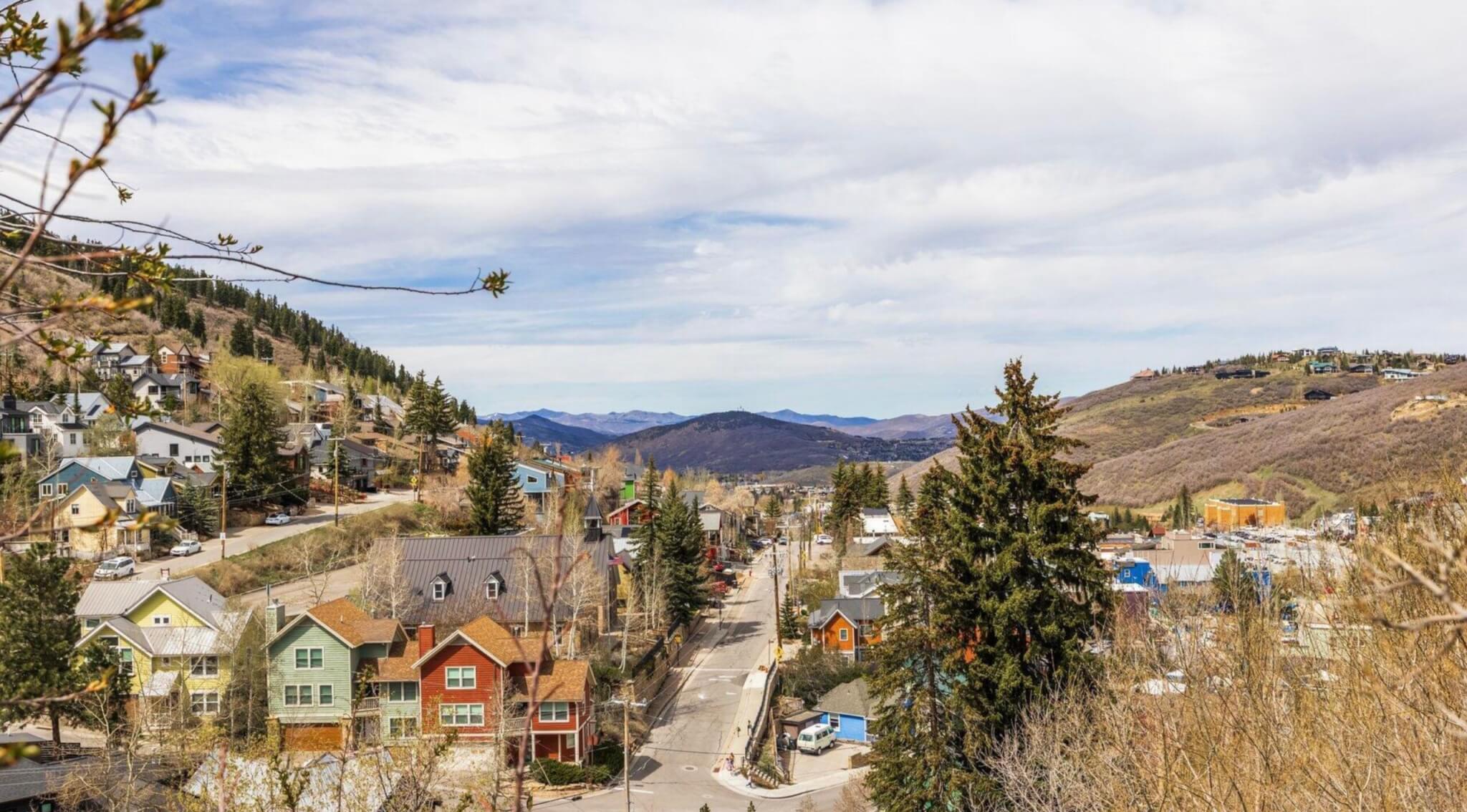
Buyers Are Still Buying, but the Market Is Changing
During the third quarter of 2026, Park City Limits and Snyderville Basin recorded 254 residential sales, down 12% from the same period last year. Yet disclosed sales volume increased nearly 3%, reaching approximately $867 million.
Detached single-family home sales increased slightly, while condominium and townhome sales declined approximately 29%.
These statistics also leave something out. Buyers are putting to-be-built homes under contract, and those transactions won’t appear in closed sales data until construction is complete. I’ll look at that part of the Park City market in a future article.
Buyers are still buying. They are being more deliberate about where they see value and what they are willing to pay.
For sellers, that means your home is no longer competing only against the last house that sold in the neighborhood. It is competing against what a buyer can purchase today.
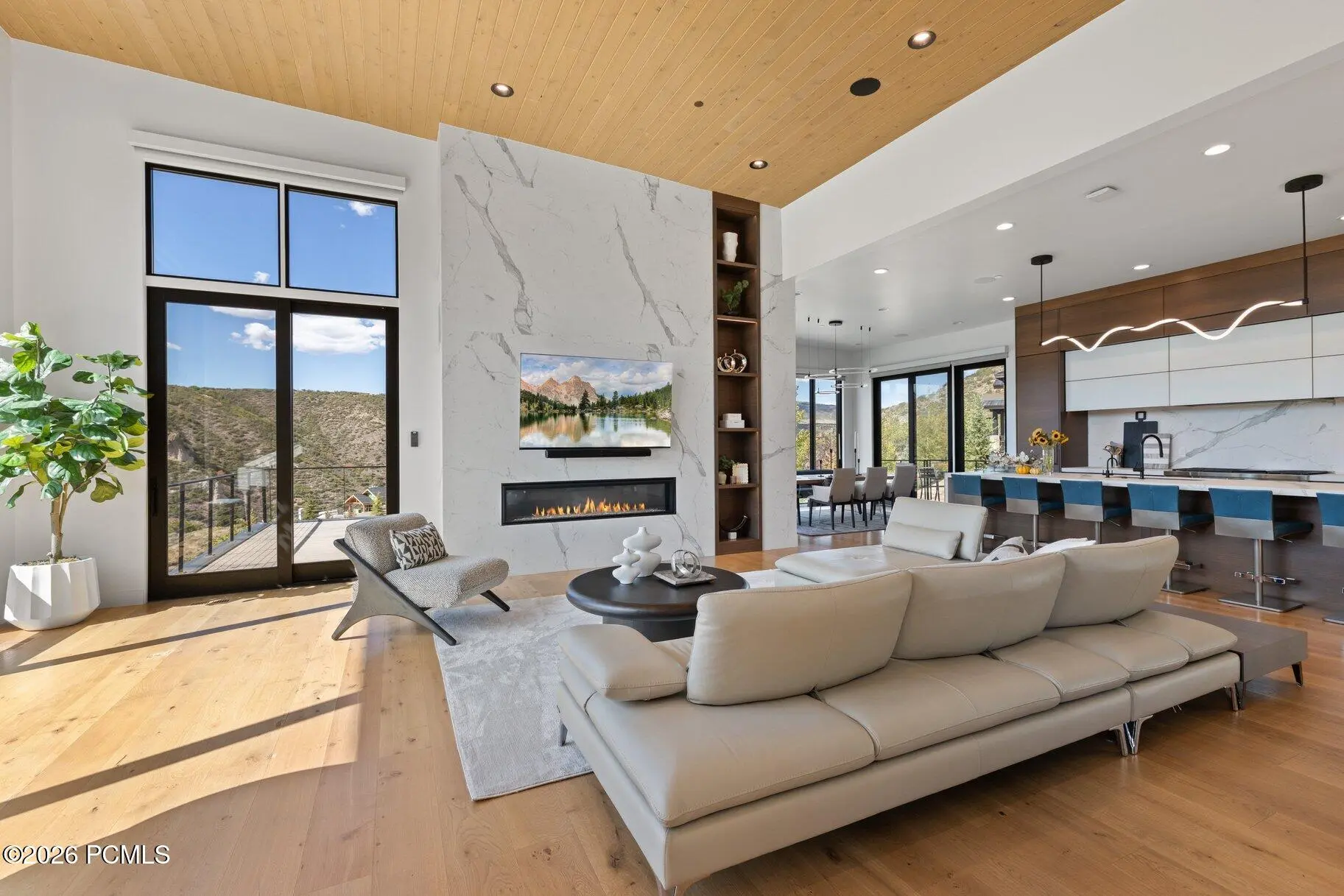
Park City Is Not One Market
The third-quarter data shows how differently Park City Limits and Snyderville Basin are performing.
Residential sales within Park City Limits declined 37.5% year over year, while Snyderville Basin experienced a nearly 6% increase in transactions.
Even those numbers are broad. Within each of these areas, individual neighborhoods and properties are experiencing very different levels of buyer interest. A well-positioned home may attract strong activity while another property just down the street struggles to generate showings.
Location, views, condition, architecture, pricing and competing inventory all play a role. Buyers looking in Old Town or Deer Valley may have very different priorities from those considering Park Meadows, Jeremy Ranch, Pinebrook or Promontory.
This is why broad labels like “buyer’s market” or “seller’s market” can be misleading. Even neighborhood-level statistics don’t always reflect what is happening with a particular property.
For sellers, knowing what homes have sold for is only part of it. You also need to know what buyers can choose from today and how your property measures up.
Buyers Are Evaluating the Entire Package
Price matters, but buyers are looking at much more than the asking price.
Condition, architecture, finishes, outdoor space, views and the amount of work needed after closing all influence a property’s appeal. In a resort market like ours, convenience and ease of ownership can carry significant value.
A dated kitchen or older bathroom doesn’t automatically make a home difficult to sell, and not every seller should renovate before listing. But buyers are considering the cost and inconvenience of improvements, particularly when they can purchase a property where the work has already been done.
Higher borrowing costs also weigh on buyers who are financing their purchases. Even in a market with substantial cash activity, the overall cost of ownership influences decisions.
A home’s condition and price need to make sense together.
Pricing and Presentation Matter More Than Ever
Today’s buyers have access to extensive information before ever scheduling a showing. They can see pricing history, recent sales, days on market and competing listings.
Pricing high just to “see what happens” can be risky. Buyers who believe a property is overpriced may not negotiate. They may simply move on.
During the third quarter, the median residential sale closed at 96.7% of its final asking price, nearly unchanged from the previous year.
The median days on market for properties that sold decreased from 37 to 32 days. Fewer overall transactions don’t necessarily mean every home is taking longer to sell. Properties that connect with buyers are still moving.
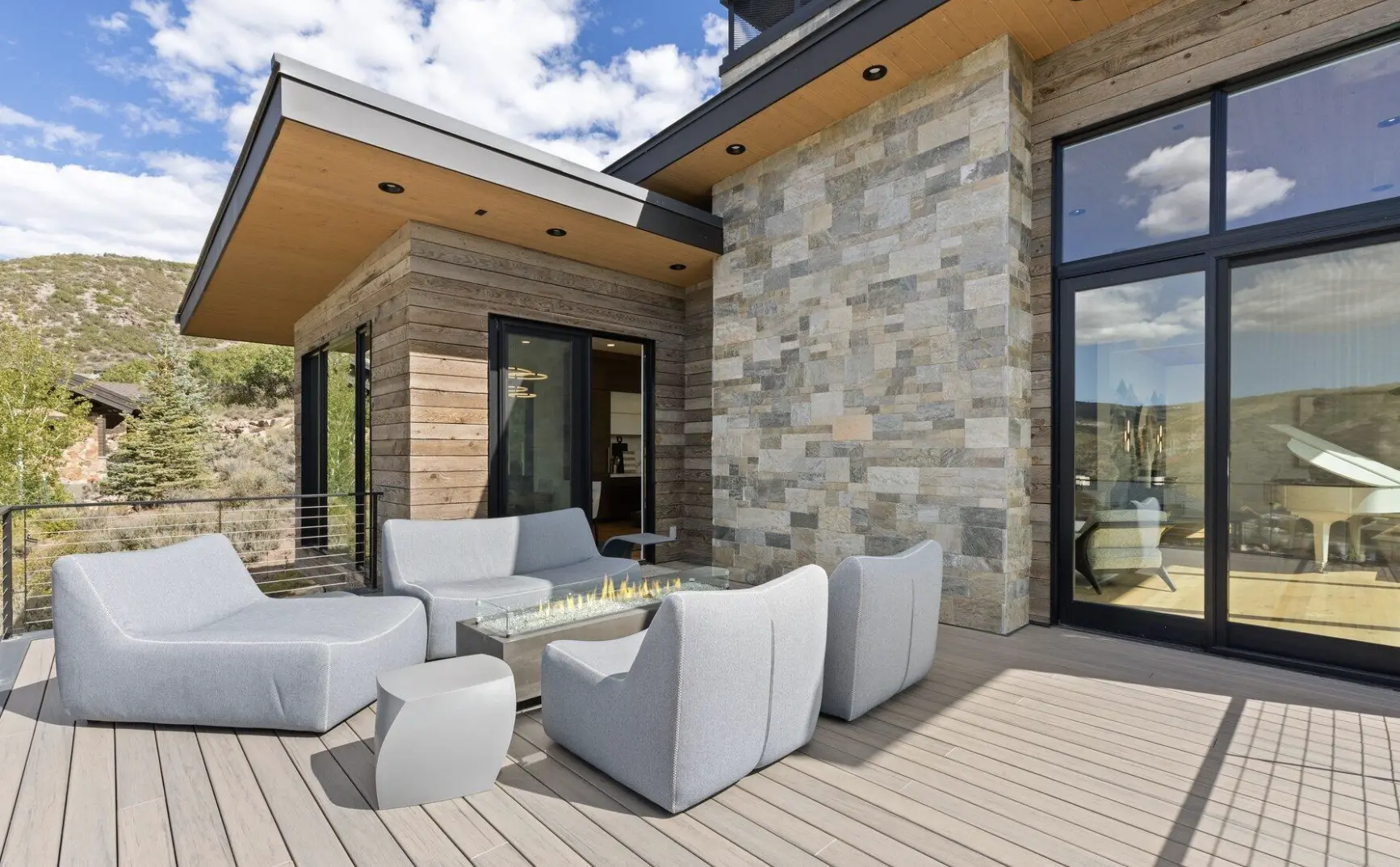
Presentation matters too. Photography, staging, lighting, landscaping and minor repairs can influence how buyers perceive value, often without requiring major renovations.
The question I encourage sellers to ask isn’t, “How much should I spend before selling?” It’s, “What will buyers notice, and how will it affect what they’re willing to pay?”
Buyers Still Pay for the Right Property
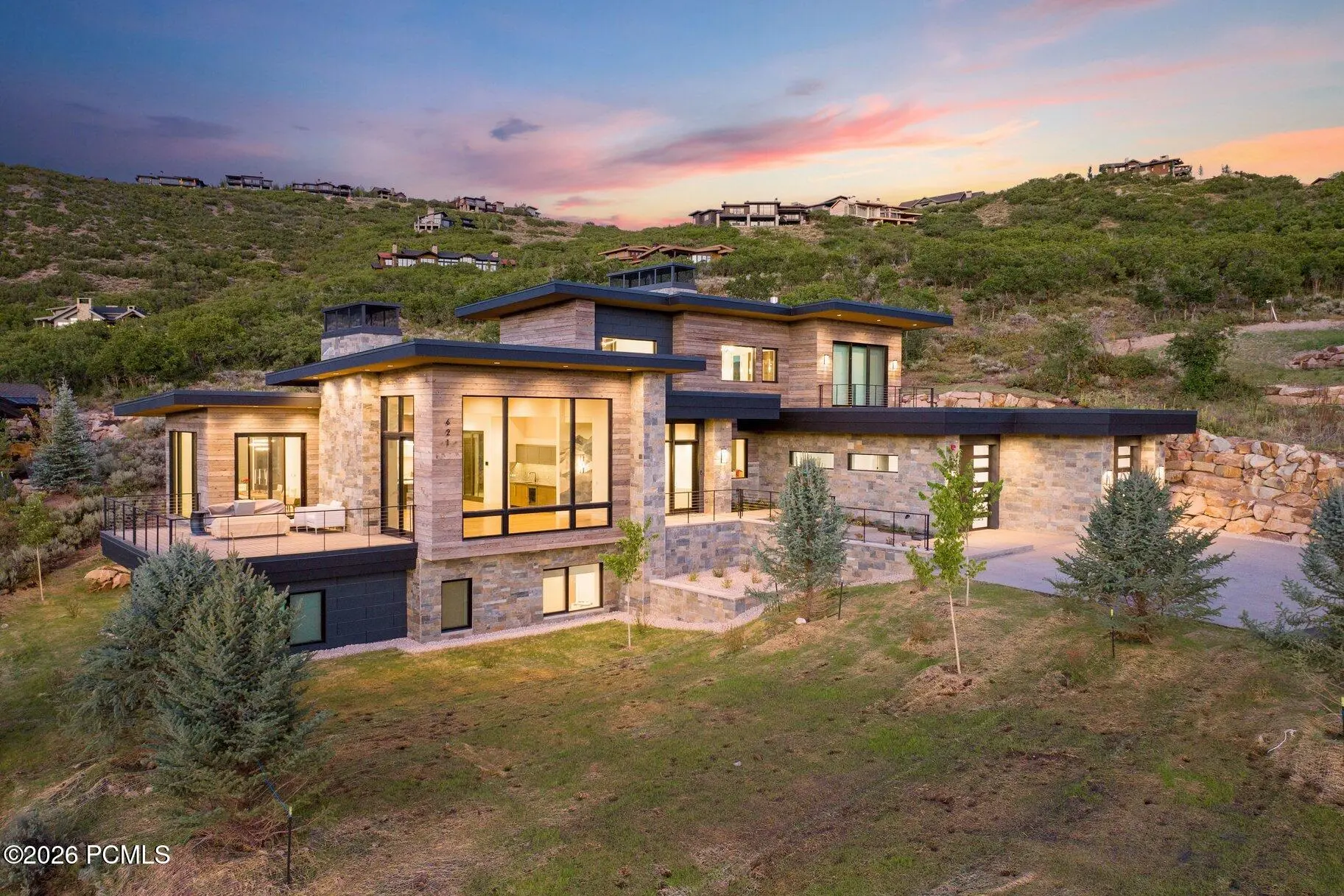
Perhaps the strongest evidence of continued demand is at the upper end of the market.
During the third quarter, 48 properties in Park City Limits and Snyderville Basin sold for $5 million or more, generating approximately $442 million in disclosed sales volume. That’s a 12% increase in luxury dollar volume compared with the same period last year, despite fewer transactions.
Properties selling for $5 million and above accounted for approximately 51% of all disclosed residential sales volume.
There is still substantial capital moving through our market. Buyers are deciding more carefully where to put it.
Coming next in Seller Guidance: Why certain listings don’t sell and what the market may be telling you when a property sits.
Source: Park City MLS residential closed sales, July 1–September 30, 2025 and 2026. Analysis focuses on Park City Limits and Snyderville Basin. Sales volume excludes transactions with undisclosed prices.
Julie Snyder is a Park City real estate advisor helping buyers and sellers navigate Park City, Deer Valley and the surrounding Wasatch Back communities. Learn more at InhabitParkCity.com.
BE IN THE KNOW! SIGN UP BELOW FOR LOCAL BUSINESS, MARKET, AND EVENT UPDATES.

Julie Snyder, INHABIT Park City Summit Sotheby's
TEL. 339-222-0935
EMAIL. julie@inhabitparkcity.com