The seasons are changing. Your sprinkler schedule should, too

UTAH — As autumn brings shorter days and cooler temperatures, the Utah Division of Water Resources is reminding residents to adjust their irrigation schedules accordingly.
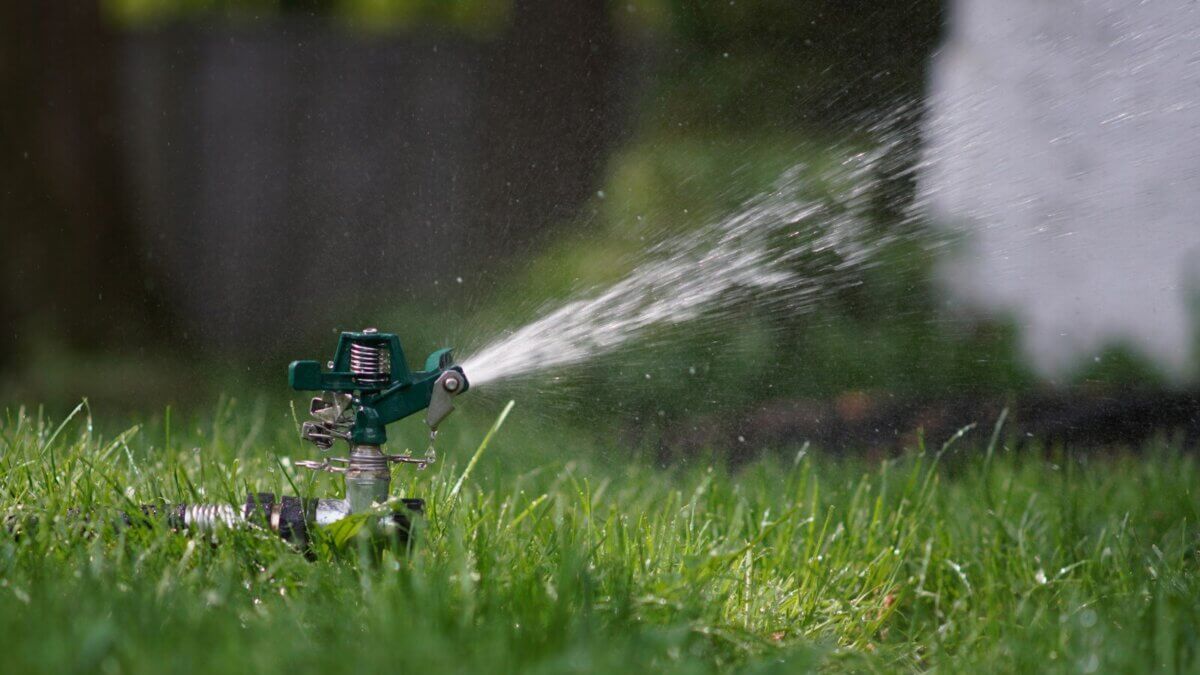
“With shorter days and cooler evening temperatures, landscape water requirements decrease significantly,” Joel Williams, director of the Division of Water Resources, said in the update. “Irrigation timers should be adjusted down or turned off. Leaving automatic sprinklers on summer schedules leads to wasteful overwatering.”
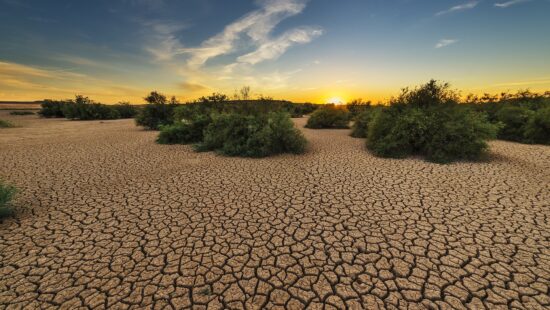
The reminder comes as Utah remains in drought, with 100% of the state experiencing some form of drought and statewide reservoir storage averaging 50% as of Sept. 17. Reservoir storage is 9% below normal for this time of year and 13% below the same time last year, according to the Division of Water Resources.
A good time to plant perennials
While lawns and established landscapes generally need less supplemental water as fall temperatures arrive, newly planted trees, shrubs, and perennials can still require regular watering as they establish their root systems.
In fact, state water officials describe fall as an ideal time to plant waterwise vegetation.
Cooler air and soil temperatures allow roots to establish without the heat stress associated with midsummer, giving plants time to develop before the following summer. Established waterwise plants can then require less supplemental irrigation.
For new plants, watering needs depend on temperatures, precipitation, and how recently they were planted. Utah’s landscape guidance recommends keeping soil moist during the first couple of weeks after planting, then gradually reducing watering as roots become established.
New plants may also need occasional winter watering. The Division of Water Resources recommends watering fall-planted vegetation about once every two weeks during the winter if there has been no precipitation and the ground is not covered by snow.
Let the weather set the schedule
For homeowners, the state’s message is relatively simple: Don’t assume a calendar-based irrigation schedule is still appropriate just because it worked in July.
The Division of Water Resources’ Weekly Lawn Watering Guide adjusts recommendations based on weather conditions and provides separate guidance for conventional and low-water-use lawns.
For those still watering, the goal is to provide plants with what they need without continuing summer-level irrigation after the weather has changed.
And for residents looking to make changes to their landscapes, fall may offer an opportunity to do that while also reducing future water demand.


2266 E Garfield Avenue
Salt Lake City, UT 84108