Harmful algae in reservoirs can persist into fall, state warns

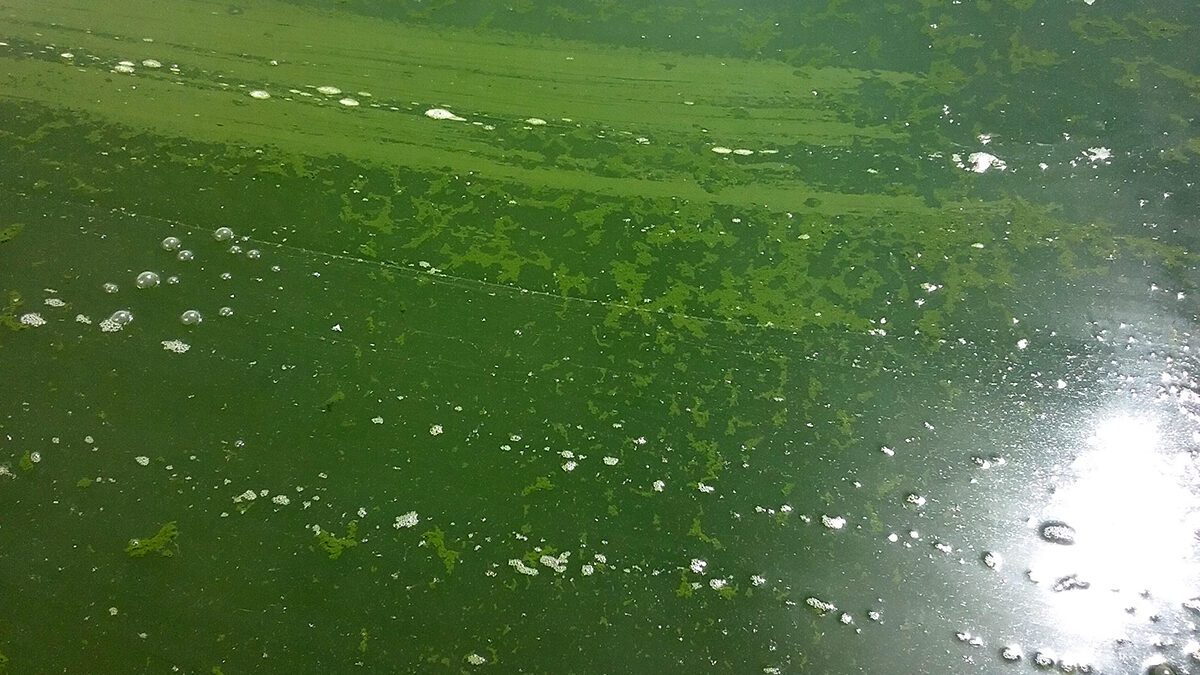
UTAH — Waterfowl hunters heading out across northern Utah this fall are being urged to watch for harmful algal blooms, including at three reservoirs in Summit and Wasatch counties.
As of Sept. 16, there were 27 Utah waterbodies under watch or warning advisories for harmful algae, according to the Utah Division of Water Quality. Affected reservoirs in the Wasatch Back include Deer Creek, Starvation, and Echo.
When an area has an advisory, boating is ok, but visitors should not drink the water, swim or wade, jet ski, or paddle. Fishing is ok, but wildlife officials recommend discarding skin and guts of fish.
Other popular reservoirs in the area — including Jordanelle, Rockport, Strawberry and East Canyon — are listed as safe for boating, fishing, and swimming.
Harmful algal blooms occur when naturally occurring cyanobacteria, sometimes called blue-green algae, multiply to high densities. The blooms can discolor the water or create visible scum and mats.
According to the Division of Water Quality, blooms can resemble pea soup, spilled paint, grass clippings or green or blue-green water. Algae mats can form along the bottom or edges of waterbodies and may appear green or brown, with a slimy, velvety or jelly-like texture. They can also have a musty odor.
The algae can produce toxins that adversely affect the liver, nervous system, and skin.
“By the end of October, many active advisories will be lifted, warning signs posted at waterbodies will start to come down, and website updates will stop,” Utah Division of Water Quality Environmental Recreational Health Coordinator Ally Marrs said. “However, it’s essential to know that these blooms can continue in colder weather.”
The Division of Water Quality stops its harmful algae monitoring program Oct. 31 as temperatures fall and winter conditions arrive. But the agency cautions that the end of monitoring does not necessarily mean harmful algae has disappeared.
The warning comes as Utah’s waterfowl hunting season gets underway with dry conditions, reduced wetland habitat, and tougher hunting across the state, according to state wildlife officials.
While hunters may be preparing their decoys, dogs, and other gear, the Utah Division of Water Quality is reminding them to also know how to identify harmful algal blooms and algae mats.
“People should know what to look for, and when in doubt, keep your pets and hunting dogs out of the water,” Marrs said.
Hunting dogs can be exposed to harmful algae by swimming in contaminated water, drinking the water, licking contaminated water from their fur, or eating algae mats along the shoreline.
Exposure can be fatal to dogs, even with veterinary treatment.
Hunters who encounter water affected by a bloom should also avoid contact themselves. The state recommends cleaning harvested waterfowl and fish thoroughly with clean water and discarding all guts and skin.


2266 E Garfield Avenue
Salt Lake City, UT 84108