State officials chart path for growth despite shrinking water supplies

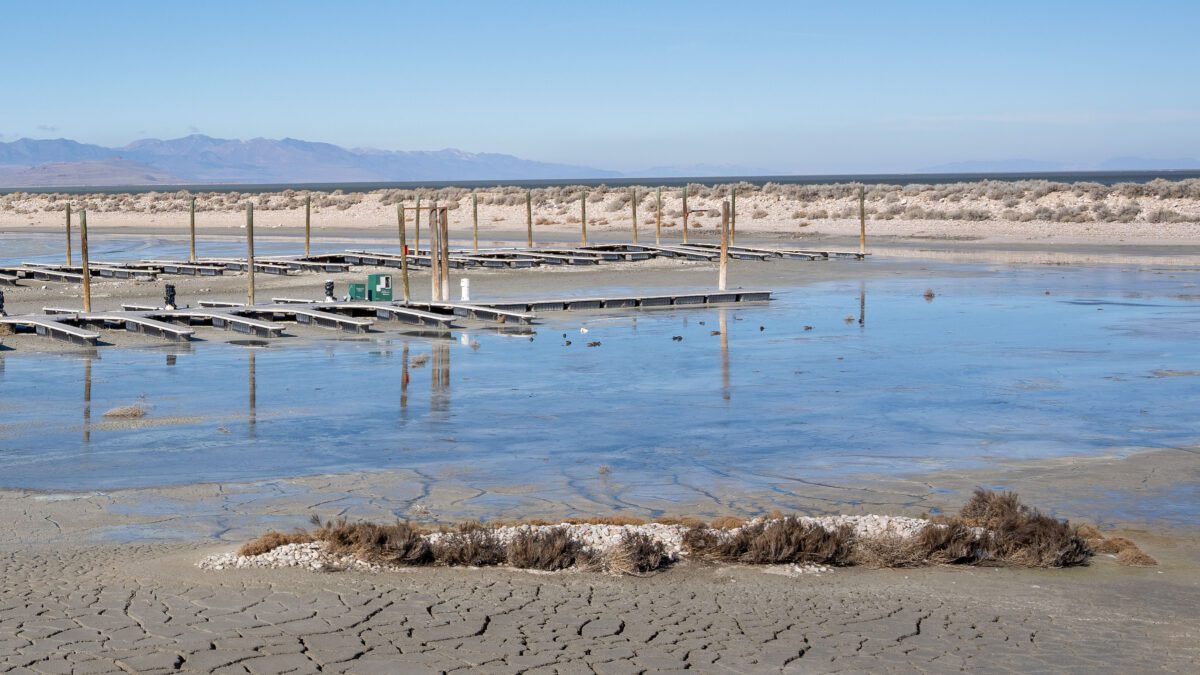
The plan notes that many of Utah's traditional opportunities to develop new water supplies have already been exhausted, making future projects more difficult and expensive.
SALT LAKE CITY, Utah — For decades, Utah’s water planning largely centered on finding and developing new supplies. Now, state officials say the future depends on using less.
A draft of the 2026 Utah State Water Plan, released in July for public comment, calls for reducing water use, improving efficiency, and planning for a future in which water supplies are expected to become increasingly constrained.
Utah’s population is projected to grow from 3.6 million residents in 2025 to 5.6 million by 2065, but the report argues that continued population growth does not necessarily have to result in higher water consumption. State officials are saying conservation, water reuse, and more efficient development can allow communities to grow without proportionally increasing municipal, and industrial water demand.
“Historical water use can be a useful benchmark, it cannot be the blueprint going forward,” the draft plan states, adding that adapting to Utah’s changing conditions will require balancing human water use with “the current realities of a diminishing water supply.”
The 183-page document outlines how state officials believe Utah should manage its water resources over the coming decades.
The report points to declining groundwater levels, shrinking reservoirs, and historically low lake levels as evidence that Utah’s water demand has outpaced the state’s natural water supply in many areas.
“Persistently declining groundwater, lake, and reservoir levels warn that there is an imbalance between water demand and a shrinking natural water supply,” the draft says.
The plan notes that many of Utah’s traditional opportunities to develop new water supplies have already been exhausted, making future projects more difficult and expensive. Going forward, water experts recommend the greater importance on managing existing resources wisely.
One of the largest opportunities for conservation, according to the draft, is outdoor landscape watering. While indoor municipal water use accounts for less than 1% of statewide water depletions, outdoor irrigation represents 13%, with roughly 90% of that water consumed through evaporation or plant use.
The plan also calls for additional investment in data collections to better understand how much water is available and how it is being used.
State officials describe the 2026 update as the most comprehensive version of Utah’s water plan to date, expanding beyond water supply to include watershed health, infrastructure, agriculture, community planning, and basin-specific challenges across the state.
The draft plan is available for public review during a 30-day comment period, which ends Aug. 23, before it is finalized. You can also watch a recording of a virtual open house, held July 30.


4251 E Lipizzan Jump
Moab, UT 84532