Park City looks underground for the future of heating and cooling

PARK CITY, Utah — Park City is exploring whether a community-wide geothermal heating and cooling network could reduce energy costs, ease pressure on the electrical grid, and help the city become more resilient as energy demand continues to rise.
The city is in the second phase of a feasibility study examining whether a thermal energy network, sometimes called a geothermal district, could serve public buildings, businesses, affordable housing, and future development in the central Park City area.
Park City already uses geothermal heating and cooling at City Hall, the Police Department, and the Three Kings Water Treatment Plant. Those systems operate independently, but the city’s latest study is exploring whether multiple buildings could eventually share one interconnected network.
The concept is similar to a district utility system. Buildings that need to shed heat, such as the ice arena, could transfer that energy through a shared underground water loop to buildings that need heating. The ground itself also serves as a stable source for storing and exchanging heat.
City Council approved the first phase of the study in October 2024 to determine whether the idea made sense for Park City. After identifying promising opportunities, the council authorized a second phase to gather detailed field data and identify potential partners.
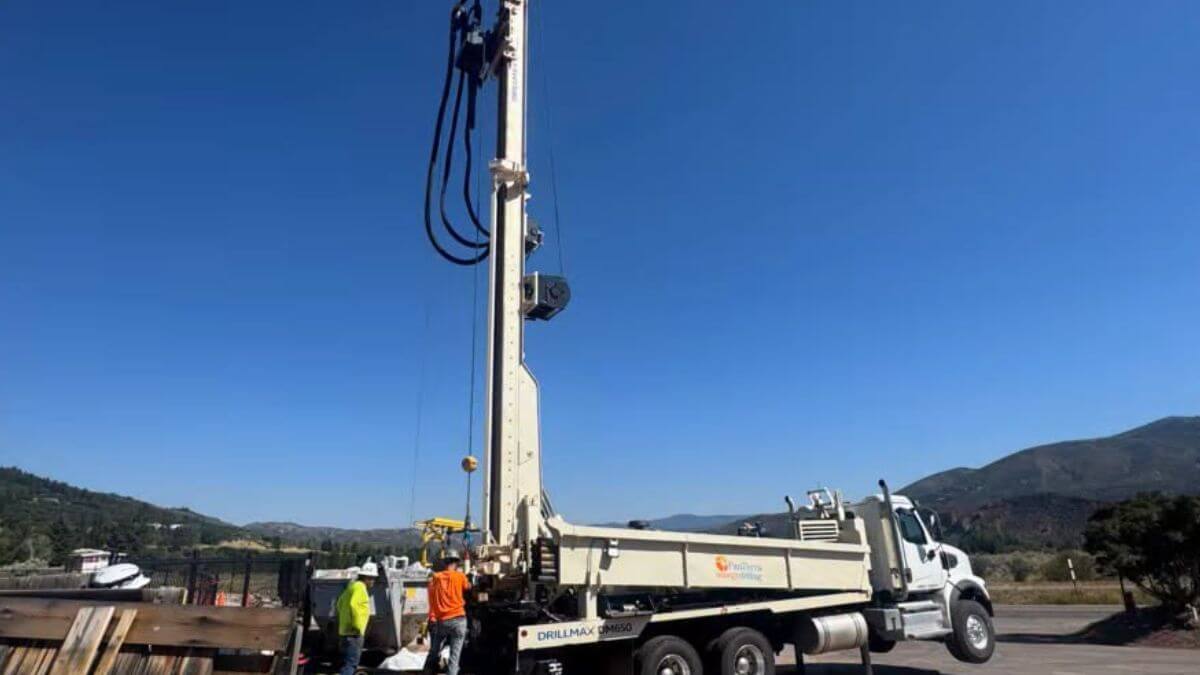
That work included drilling a roughly 300-foot test bore in the Bonanza Park area, measuring ground temperatures and conducting thermal conductivity testing to determine how efficiently the surrounding geology can store and transfer heat. The city is also studying other possible heat sources, including wastewater infrastructure and existing mine tunnels.
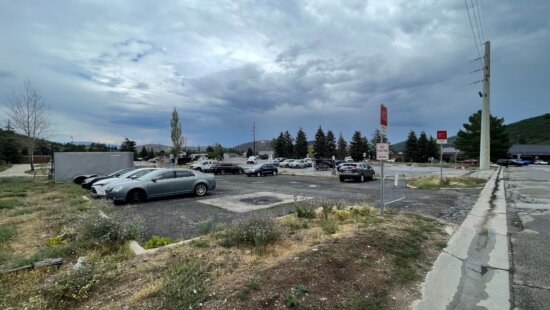
Cartin said Bonanza Park was selected because it sits near several existing and future developments, making it a logical location to evaluate how a district system could eventually connect multiple properties.
Rather than serving only city-owned buildings, officials envision a network that could eventually include schools, affordable housing, private developments, and commercial buildings. As additional properties connect, the system becomes more efficient because more buildings are simultaneously adding and removing heat from the shared network.
The city does not yet know what such a system would cost.
“We’re still in that information-collecting side of things,” Cartin said, noting the current study is designed to establish the baseline data needed before financial modeling can begin.
One factor driving the study is growing concern over future energy demand. Cartin pointed to increasing pressure on both the electrical grid and natural gas supplies as Utah’s population continues to grow and large data centers consume more electricity.
By shifting heating and cooling away from natural gas and reducing electricity demand during peak periods, a thermal energy network could improve long-term energy resilience while helping stabilize costs, he said. Because the system relies on the earth’s consistent underground temperature rather than fuel markets, it is less vulnerable to swings in energy prices.
The project could also benefit from incentives already available. Federal tax credits for geothermal systems remain in place, Utah has created incentives for thermal energy districts, and the city expects to continue discussions with Rocky Mountain Power about potential utility programs.
Park City isn’t alone in exploring the technology. Communities including Vail, Breckenridge, Steamboat Springs, and Telluride are studying similar systems, while Colorado Mesa University, Weber State University, and Boise have already implemented geothermal district heating and cooling networks at varying scales.
Cartin said mountain communities are particularly well suited for thermal energy networks because they have significant heating needs, growing summer cooling deman,d and relatively accessible geology compared with dense urban areas.
The city expects preliminary results from the field testing in the coming weeks, with a final Phase 2 report anticipated around October. That report will help determine whether the project should advance to a third phase.
City staff plan to present their findings publicly this fall and begin broader conversations with property owners and community partners about whether a shared geothermal network makes sense for Park City.


2266 E Garfield Avenue
Salt Lake City, UT 84108