Drought, wildfires may push Utah wildlife into residential areas

USU Extension specialist urges residents to remove food sources and give wild animals space
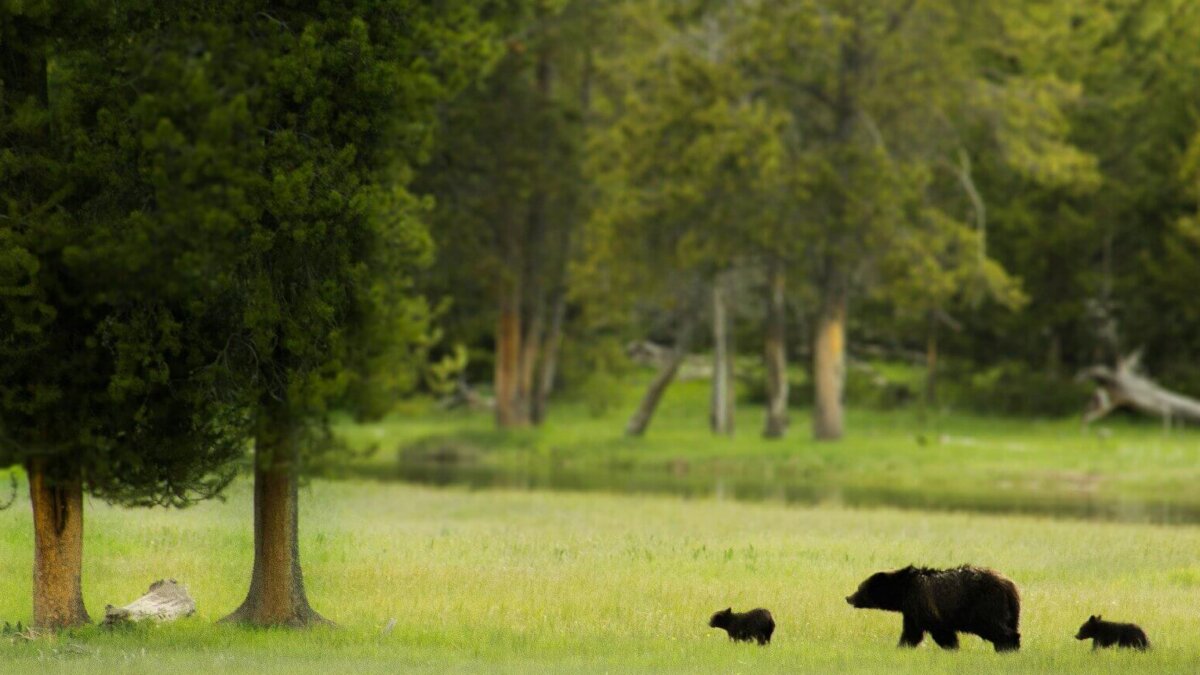
PARK CITY, Utah — Drought and wildfires may be driving bears, mountain lions, coyotes and other wildlife into Utah neighborhoods in search of food, water and shelter, according to a Utah State University Extension wildlife specialist.
While many Utah residents are accustomed to seeing deer near their homes, recent sightings have also included foxes, bears, mountain lions and coyotes, USU Extension wildlife specialist Nicki Frey said.
Drought can reduce natural water sources, while wildfires can destroy the food and shelter animals rely on. Those conditions may cause wildlife to move to lower elevations and closer to residential areas.
Young animals that have recently left their mothers may be particularly vulnerable. As they search for food and shelter on their own, they can become confused and make risky decisions that bring them into neighborhoods, Frey said.
However, the apparent increase in encounters may not be entirely due to changing environmental conditions. Social media posts can quickly draw attention to a single sighting, creating the impression that wildlife encounters are more frequent than they are.
Doorbell cameras and other outdoor surveillance systems are also capturing animals that may have long traveled through residential areas unnoticed.
Whether sightings are becoming more common or simply more visible, Frey said residents should stay aware of their surroundings and avoid approaching or interacting with wildlife.
“Most wildlife can injure humans in some way,” Frey said.
The risks are not limited to direct attacks. A raccoon eating from a pet’s food bowl, for example, may expose the pet to disease. Residents should remove possible food and water sources from around their homes, including unsecured garbage cans, outdoor pet food and standing water.
Anyone who encounters a wild animal outside should go indoors if possible. If shelter is not immediately available, Frey recommends placing something solid between the person and the animal, maintaining distance, and allowing the animal to leave.
Residents should never crowd, feed, or attempt to tame wildlife.
“You can’t tame a wild animal,” Frey said. “It’s still always going to be a wild animal.”
At the same time, Frey said people do not need to live in fear of wildlife. Most wild animals would prefer to avoid people, and peaceful coexistence is possible when residents keep a respectful distance and remove attractants from their property.
A wild animal that passes through a neighborhood will often move on without intervention. If residents see an animal that appears distressed or continues to linger, they should contact the Utah Division of Wildlife Resources at 801-538-4700.


4251 E Lipizzan Jump
Moab, UT 84532