People’s Health Clinic says it is out of room as demand for free care grows

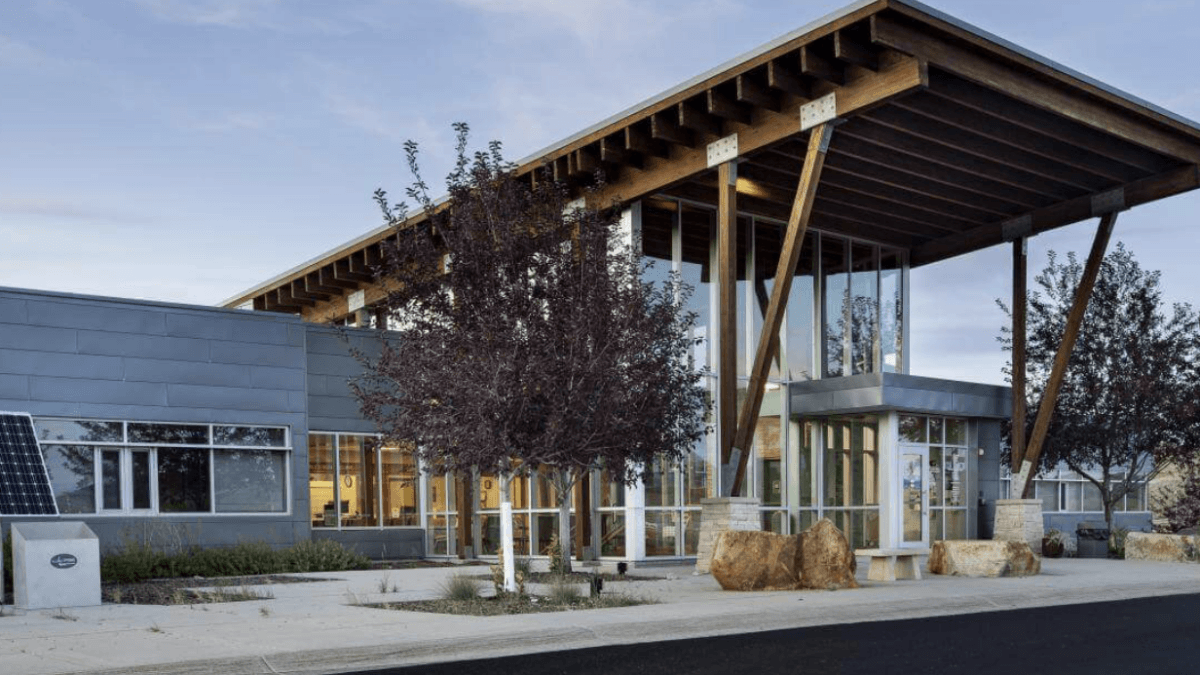
PARK CITY, Utah — People’s Health Clinic is asking Summit County for more room to treat a growing number of uninsured patients, setting up a decision over how limited county-controlled space should be divided among health and behavioral health providers.
Clinic leaders told the Summit County Council on Wednesday that they have outgrown their roughly 5,000-square-foot facility near Park City Hospital. They are seeking additional offices, examination rooms and a waiting area currently used by the county’s Women, Infants and Children program.
The additional space would allow the clinic to expand pediatric and behavioral health care and bring in volunteer medical providers who are currently waiting for room to practice, CEO Dr. Mairi Leining said.
“We are out of space,” Leining said. “We have a waiting list of patients that ranges from two to 10 weeks, depending on the specialty.”
The clinic provides free care to uninsured residents of Summit and Wasatch counties. About 11,000 people consider it their medical home, including housekeepers, restaurant and hotel employees, construction workers and child care providers, Leining said. About 97% of its patients live below 200% of the federal poverty level.
The clinic recorded 21,448 patient encounters in 2025, up from about 4,500 in 2009, when it moved into its current building. Encounters increased another 19% during the first quarter of 2026, according to figures presented to the council.
Leining said five to 10 volunteer medical providers are typically waiting for space to become available. The clinic has more than 40 volunteer providers and offers 17 medical specialties, including primary care, pediatrics, women’s health and behavioral health.
The clinic recently launched a dedicated pediatric program using rooms shared with the county’s WIC program on Wednesdays and Thursdays. It is asking for consistent access to that area, along with two other rooms and a downstairs conference room.
Leining said the additional space should meet the clinic’s needs for the next three to five years.
The request, however, intersects with the county’s own space problems.
County Manager Shayne Scott said the WIC area has also been considered as a new location for Jackie’s Recovery, which currently uses space in the Sheldon Richins Building. The county expects that building to become unavailable around March or April 2027.
The Summit County Health Department is already divided among several locations, and council members Megan McKenna and Tonja Hanson said the county must consider the department’s long-term needs alongside those of the clinic.
“I think this is a great opportunity for us to start talking about that long term,” McKenna said, adding that both the clinic and the Health Department provide essential services.
Hanson said she supports the clinic but cautioned against further scattering Health Department programs.
“Will everybody be 100% happy? Probably not,” Hanson said. “People have to give and take and make something work.”
The building sits on land owned by Intermountain Health under a long-term ground lease with the county. According to the discussion, the agreement identifies People’s Health Clinic and the Summit County Health Department as tenants and allows the clinic to occupy up to 12,500 square feet.
Any other organization would need written approval from Intermountain Health before moving into the building, county officials said. Scott said the county was discussing the issue with Intermountain.
Council member Roger Armstrong strongly supported granting the clinic’s request, arguing that the existing agreement anticipated its expansion.
“People’s Health Clinic should get that additional space that you’re requesting as the Health Department is leaving,” Armstrong said.
Council member Chris Robinson also expressed support but said the county should consider whether the clinic would contribute toward utilities or other costs created by relocating another provider.
No vote was taken. Council Chair Canice Harte said the allocation will ultimately be decided administratively by county staff, though council members may weigh in on the county’s priorities.
The clinic operates on an annual budget of about $3.8 million and estimates that it provides more than $7 million in health care each year. Intermountain contributes more than $3 million in laboratory work, imaging and specialty services, while volunteer providers contribute care at no charge, Leining said.
The clinic provided about 2,100 free behavioral health visits last year. Patients donated more than $130,000 toward their care despite not being charged for services.
Leining said the clinic expects its patient population to grow by 20% to 25% this year and again next year because of changes in federal health coverage.
Temporary enhancements to Affordable Care Act premium tax credits expired at the end of 2025. The underlying tax credits remain available, but some households now receive smaller subsidies and others no longer qualify because of income limits.
The increased demand, Leining said, underscores the role the clinic plays in supporting the local workforce.
“When you see a community member in need who is suffering,” she said, “you have to help.”


2266 E Garfield Avenue
Salt Lake City, UT 84108