Where to see migrating loons in Utah this April

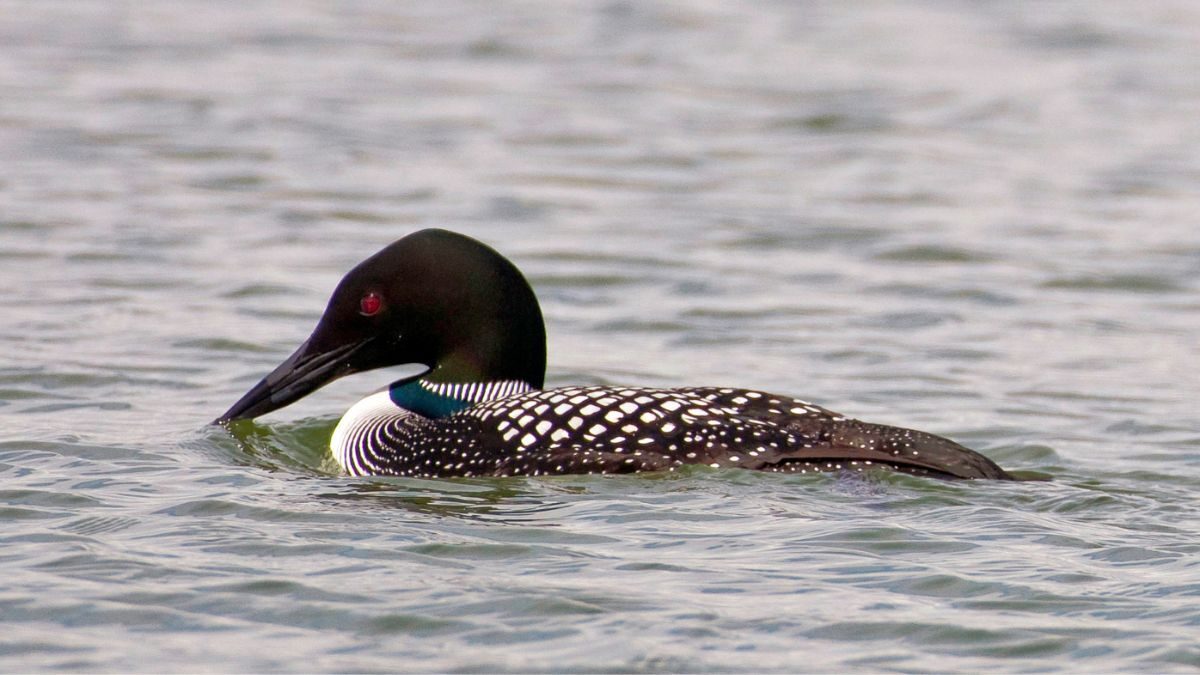
VERNAL, Utah — An elusive, black-and-white waterbird known for its eerie, echoing call is passing through northeastern Utah this month, offering birdwatchers a brief seasonal window to spot one of North America’s most distinctive migrants.
The common loon, the second-largest of five loon species worldwide, is moving through Utah in the spring as it travels toward northern breeding grounds in Canada and the northern United States.
Often associated with wilderness lakes in film and nature recordings, the bird is as recognizable for its sound as its appearance.
“Common loon calls are often what you think of while watching a movie set in the northern territories of Canada,” said Tonya Kieffer-Selby, Northeastern Regional Outreach Manager with the Utah Division of Wildlife Resources. “They have a wailing, yodel-like call that echoes in the wilderness.”
Seasonal stopover in the Uinta Basin
Wildlife officials say loons are not uncommon in the region during migration, particularly in the Uinta Basin, where several reservoirs regularly host the birds each spring.
According to the Utah Division of Wildlife Resources, loons typically begin appearing around early April, shortly after ice melts from local reservoirs.
“This time of year, they start to show up on Big Sand Wash, Flaming Gorge, Steinaker, and Red Fleet reservoirs,” Kieffer-Selby said. “The loons are fairly consistent. They usually arrive around April 1 or just after the ice leaves the reservoirs.”
Biologists have at times documented more than 200 loons across multiple Uinta Basin reservoirs in a single day, with Steinaker Reservoir frequently identified as a particularly reliable viewing location.
Tips for spotting them
While the Utah Division of Wildlife Resources is not hosting formal viewing events, officials say early mornings offer the best chance to see or hear loons as they pass through the region.
Birders are encouraged to bring binoculars, spotting scopes, or telephoto lenses, as loons tend to stay farther from shore and can be easily disturbed by activity.
“These birds can shy away from crowds,” Kieffer-Selby said. “Start to look for them at sunrise and check nearby reservoirs for additional viewing opportunities. If you get out early in the morning, you can sometimes hear them calling to each other.”
With their stark black-and-white plumage and unmistakable calls, wildlife officials say the brief spring stopover is one of the more unique seasonal wildlife opportunities in northeastern Utah.


2266 E Garfield Avenue
Salt Lake City, UT 84108