News
UDOT identifies preferred route for Heber Valley Corridor, opens public comment period

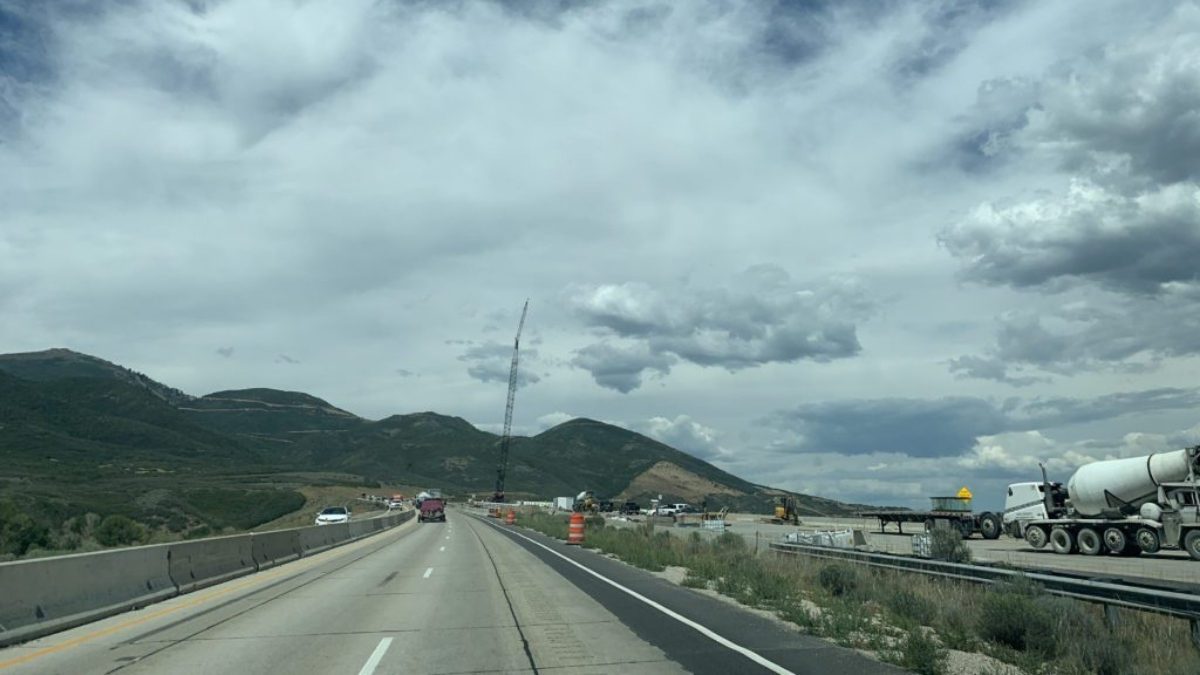
U.S-40 in Wasatch County. Photo: TownLift
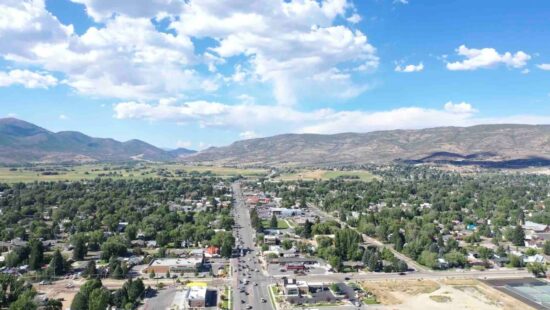
WASATCH COUNTY, Utah — State transportation officials have identified a preferred route for the long-planned Heber Valley Corridor, a major highway project intended to relieve congestion on Heber City Main Street and improve regional travel through the valley.
In a public online presentation, the Utah Department of Transportation (UDOT) outlined findings from its draft Environmental Impact Statement (EIS), which evaluates two alternative build options along with a “no action” scenario.
Why the corridor is being studied
UDOT says traffic on U.S. Highway 40 through Heber City is projected to worsen significantly as the valley grows. If no major improvements are made, officials estimate it could take more than 23 minutes to travel from SR-32 to U.S. 189 by 2050, with long backups on Main Street during peak hours.
Both build options would create a limited-access, free-flow highway that pulls traffic off of Main Street with designated interchanges and ramps.
Alternative A would rebuild and widen existing U.S. 40 north of downtown and route traffic around the west side of the city. Main Street would still carry more regional traffic, and the option would require relocating more homes and businesses.
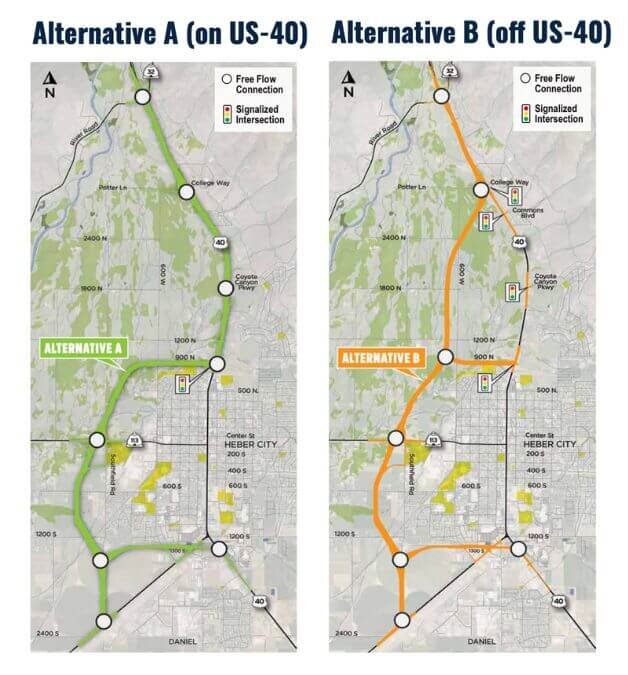
Alternative B, UDOT’s preferred option, would create a new highway through the north fields, allowing most regional and truck traffic to bypass Main Street entirely. Existing U.S. 40 north of downtown would become a slower-speed arterial road focused on local access.
Both alternatives include a paved, 12-foot-wide multi-use trail running parallel to the corridor to support biking and walking.
Pros and cons for preferred Alternative B
UDOT identified Alternative B as the preferred alternative because it performs better overall for both regional and local travel.
According to traffic modeling, a trip from SR-32 to U.S. 189 would take about six minutes under Alternative B, compared to more than 11 minutes today and more than 23 minutes if nothing is built.
Alternative B would also:
- Pull more truck and regional traffic off Main Street
- Require fewer home and business relocations (eight total, compared to 27 under Alternative A)
- Be less disruptive during construction by allowing traffic to stay on U.S. 40 while the new route is built
The main drawback of Alternative B is that it would impact more farmland and wetlands in the north fields. Because wetlands are protected, UDOT would be required to restore or preserve at least twice as much wetland area as it disturbs.
UDOT also emphasized that the corridor would remain limited-access, with no additional interchanges allowed through the north fields, a restriction intended to limit future development pressure.
Noise impacts were also evaluated, with more residences affected under Alternative B. However, many of those impacts would be to future developments. Several noise walls could be considered during final design, subject to future studies and resident input.
Public comment period
The draft EIS will be open for a 60-day public comment period from January 9 through March 9. Public comments will be taken into consideration as UDOT finalizes the project and prepares a final EIS and record of decision.
A virtual meeting with a question and answer session will be held on Jan. 27, 2026 from 6 to 7:30 p.m. via Zoom. An in-person hearing will be held on Jan. 28, 2026 from 5:30 to 8:30 p.m. at Wasatch High School Library.
Construction is not currently funded, and timelines for right-of-way acquisition and building remain uncertain.
More information, including how to submit comments, is available on UDOT’s project website.
By: Heather Bergeson


325 White Pine Canyon Road
Park City, UT 84060
2349 S Lava Vista Drive, Lot 32
Santa Clara, UT 84765
80 West 300 North
Salt Lake City, UT 84103
438 Castle Valley Drive
Castle Valley, UT 84532
3267 W Deer Hollow Road, Unit 2305
Park City, UT 84060
1511 S Valley View Circle
Springville, UT 84663Talk of the Town


Park City Jobs

Hiring Barista Assistants and Baristas, Silver King Coffee
3 days ago Part time $17.00 - $30.00 hourly

General Maintenance Technician, Moose Management Vacation Rentals
7 days ago Full time

Office Coordinator, Park City Community Foundation
10 days ago Full time $50,000 - $55,000 yearly

Summit Land Conservancy Programs Specialist, Summit Land Conservancy
10 days ago Full time
Vice President of Finance, Park City Community Foundation
10 days ago Full time $115,000 - $130,000 yearly