Growth
Special deal or fair process? Council weighs settlement in Utah’s richest resident’s Park City mansion dispute


Matthew Prince speaks with Utah Gov. Spencer Cox during an onstage conversation at the Utah AI Summit in Salt Lake City on Dec. 2, 2025. Photo: TownLift
The consent agreement does not require a substantial redesign of the home; instead, it largely reinstates earlier approvals, with added mitigation measures but no significant changes to the home’s size, massing, height, or overall architectural design.
PARK CITY, Utah — Park City officials will decide this week whether to approve a proposed consent agreement that would end years of litigation over a planned luxury home at 220 King Road by adopting a City Council resolution that replaces contested land-use decisions. If approved, the parties would seek dismissal of the pending cases and the project would move forward under the agreement’s terms, without a court ruling on whether the approvals complied with city code.
The agreement, scheduled for a City Council vote on Jan. 15, would resolve three pending Third District Court cases involving the project, owned by Pesky Porcupine LLC, an entity tied to Cloudflare founder Matthew Prince.
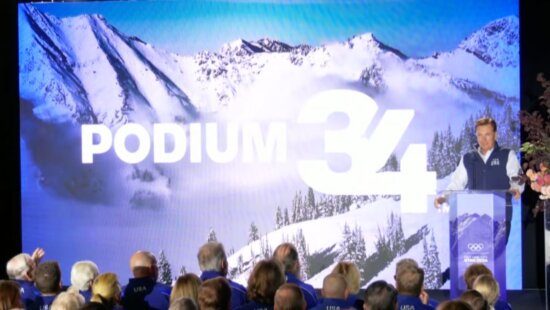
Prince is the founder and CEO of Cloudflare (NYSE: NET), a publicly traded technology company. According to Forbes, he is Utah’s richest resident, with an estimated net worth of $6.3 billion. Prince and his wife, Tatiana Prince, live in Park City and own The Park Record, a local newspaper. The couple are also up-and-coming civic donors, including a commitment of at least $20 million to Podium34, an Olympic fundraising initiative supporting Utah’s 2034 Winter Games.
This past December, Utah Gov. Spencer Cox introduced Prince during a fireside conversation at the Utah AI Summit as Cox referred to Prince as “a dear friend and Utahn,” and later called him “one of the most brilliant people I know.”
Background of the dispute
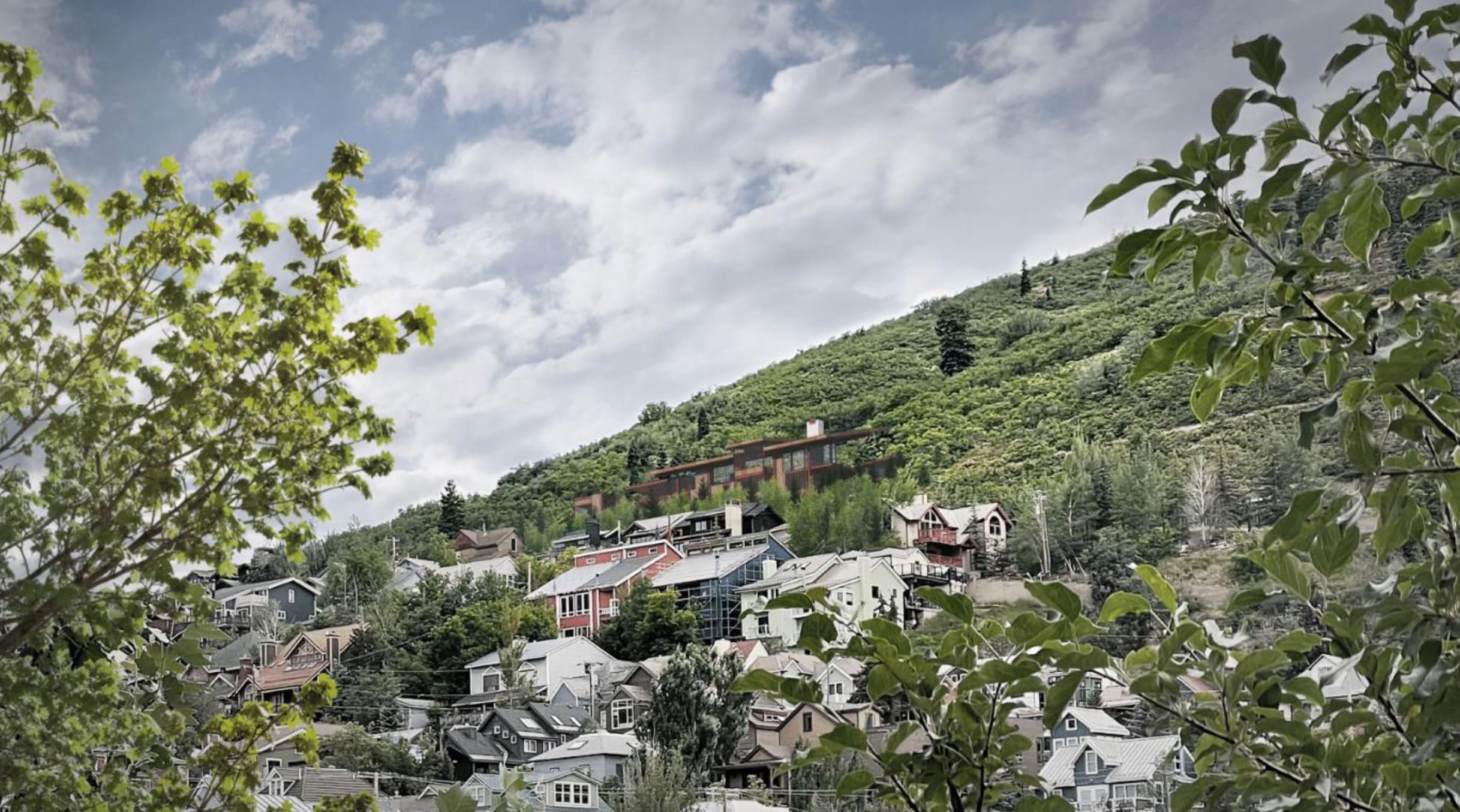
In February 2024, the Park City Planning Commission approved a plat amendment and multiple conditional use permits allowing demolition of two existing structures and construction of a single-family residence within the city’s historic district at 220 King Road. Neighbors Eric and Susan Hermann appealed the approvals.
In July 2024, the city’s Appeal Panel upheld the Planning Commission’s decision, finalizing the approvals. The Hermanns then filed petitions for judicial review in Third District Court, where the cases remain pending.
Separate disputes arose over the project’s Historic District Design Review. The Planning Director approved the design with conditions, but the Board of Adjustment later reversed portions of that approval. That decision led to additional litigation by both Prince’s company and the Hermanns, resulting in three related cases now consolidated in district court.
The proposed consent agreement
The Park City Council is scheduled to consider Resolution 03-2026 on Jan. 15, which would approve a consent agreement between the city and Pesky Porcupine LLC.
The draft consent agreement was posted publicly this week, marking the first time its full terms have been disclosed after being negotiated between attorneys for Pesky Porcupine LLC and Park City municipal legal staff.
According to the draft agreement and a legal memorandum from the city’s outside counsel, the agreement would:
- Affirm the Planning Commission approvals upheld by the Appeal Panel.
- Reinstate the Planning Director’s Historic District Design Review approval, with specified design modifications.
- Require additional mitigation by the applicant, including expanded landscaping and road safety improvements.
- Require Pesky Porcupine LLC to indemnify and defend the city against future legal challenges related to the agreement and associated development activity.
- Resolve all three pending lawsuits, with the city and applicant jointly seeking dismissal on the basis that the agreement replaces the contested land-use decisions.
The consent agreement does not require a substantial redesign of the home; instead, it largely reinstates earlier approvals, with added mitigation measures but no significant changes to the home’s size, massing, height, or overall architectural design.
If adopted, the agreement would seek to end the litigation without a judge ruling on the legality of the prior approvals.
Legal authority and broader implications
The consent agreement relies on authority granted under Senate Bill 262, passed by the Utah Legislature in 2025. The law allows city councils to resolve land-use litigation through council-approved consent agreements while court cases are pending.
City attorneys have advised that the agreement would reduce litigation costs, resolve conflicting administrative decisions, and provide finality. In a Jan. 9, 2026 memorandum to council members, outside counsel wrote that city staff had “worked diligently to defeat multiple attempts to preempt city authority over the course of several state legislative sessions, successfully retaining local control and preserving the City’s historic design review authority.”
Mayor Ryan Dickey has made similar comments publicly. In an interview with KPCW, Dickey said the city has spent years defending its historic district authority at the Legislature.
“We’ve been in this three-year defense of our historic district,” Dickey said. “And you’ve seen us at the legislature fighting back on attempts to take away any sort of local control around the historic district. That defense has been successful and really hard. I mean, at times feeling like it was going to go away, and making the decision, hey, this is just the right thing. We have a house that doesn’t meet code, standing up for a process, standing up for the code.”
Dickey did not name specific individuals or projects when making the remarks. The memo did not attribute those legislative efforts to Prince personally, but acknowledged sustained state-level pressure affecting local land-use authority.
Concerns about state influence on local land-use decisions have surfaced elsewhere in Summit County, including approval of the Dakota Pacific development, where County Council Chair Roger Armstrong said the project moved forward under legislative pressure, stating, “If there wasn’t someone with a club standing behind Dakota Pacific saying ‘do it or else,’ we could get it right.”
Community opposition

The proposed agreement has drawn criticism from project opponents, including the Hermanns, who argue the matter should be decided by the courts rather than resolved by council action.
In a recent email circulated to TownLift, the Hermanns wrote that the district court is scheduled to hold a hearing later this month and that the case “must be heard before an impartial judge.” They characterized the proposed consent agreement as “an end run around the legal process” and urged the City Council to allow the litigation to proceed.
They also raised concerns about precedent, writing that “other wealthy people are watching and hoping this will be a precedent for their own grandiose plans in Old Town.”
City legal counsel says the consent agreement “does not create new precedent because a final approval by the City Council would be site-specific.”
Opposition has also taken the form of a public petition. A Change.org petition titled “Tell Park City to Make Billionaire Matthew Prince Follow the Same Rules as the Rest of Us” posted an update on Sunday Jan. 11 urging residents to attend upcoming meetings and speak out against approval of the consent agreement. The petition states that “this week is a turning point for Park City Old Town—and for whether the rule of law applies equally in our city.”
What is at stake
If the City Council approves the consent agreement, the lawsuits will be dismissed, the project will move forward under the agreement’s terms, and the court will not rule on the merits of the approvals.
If the council rejects the agreement, the litigation will continue, and a district court judge will determine whether the city’s prior land-use decisions complied with the law.
The City Council meeting is scheduled for Jan. 15, 2026, beginning at 5:30 p.m. at the Marsac Municipal Building, City Council Chambers, 445 Marsac Ave., and will be available via Zoom.
Go Deeper
- Utah’s richest man sues Park City
- Second look at building code halts controversial mansion project
- Residents worry construction of the Prince mansion would put other Old Town homes in danger of a landslide
- Neighbors opposing Matthew Prince’s Mansion face second lawsuit in two weeks
- Will Utah’s richest man get his castle on King Road?
- Park City billionaire Matthew Prince and wife Tatiana purchase Park Record Newspaper
By: TownLift


3267 W Deer Hollow Road, Unit 2305
Park City, UT 84060
80 West 300 North
Salt Lake City, UT 84103
438 Castle Valley Drive
Castle Valley, UT 84532
2349 S Lava Vista Drive, Lot 32
Santa Clara, UT 84765Talk of the Town


Park City Jobs

Junior Interior Designer, Abigail Hill
5 days ago Contractor

Dental Assistant, Rise Dental Wellness
5 days ago Full time

Sales & Marketing Coordinator – B2B Publishing, Power Trade Media
7 days ago Full time $40,000 - $45,000 yearly

Garden Steward and Educator, Summit Community Gardens and EATS
12 days ago Seasonal

PROGRAM AND EVENT COORDINATOR, PC READS
13 days ago Part time $25.00 hourly