Winter on Copper Moose Farm With Roni Pasi

Among the striped-red hammocks, rusty-metal siding, exposed beams, gravel driveway, and unbeatable backdrop of Old Ranch Road, Copper Moose Farm has maintained a picturesque perspective of high-altitude farming that feels, dare we say, Magnolia Farms–adjacent. And while this ode-to-organic operation, established in 2007, has drawn in guests for nearly 20 years, thanks to its commitment to local produce (and cover-worthy aesthetic), behind the scenes, this heritage farmstand is run by a team of growers who toil tirelessly in both the on- and off-season.
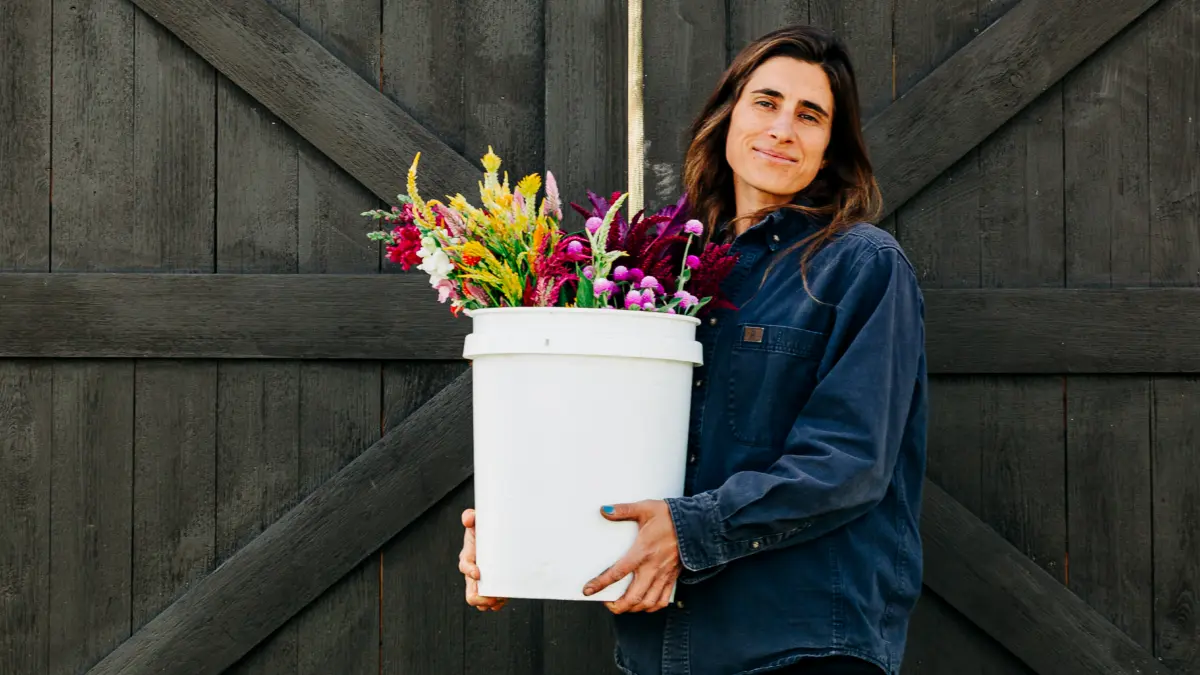
Roni Pasi, Copper Moose Farm Manager and resident soil guru with a passion for high-altitude farming, puts her extensive education—beginning with a Penn State degree in Environmental Resource Management—to use on Park City’s produce. Her experience spans a kaleidoscope of climates that have taken her from Santa Barbara and Crested Butte to Montana, Sebastopol, and Northeast Ohio. Along the way, she’s sampled a variety of approaches, including no-till, regenerative, small-scale, and culinary-inspired farming.
But, as Copper Moose battens down the beds, Roni will be one of just two employees weathering this coming winter on this three-acre organic, biodynamic farm. “It’s this time of year that I always get a little wistful,” she says of the changing seasons. “I will miss the rhythm of summer––the hustle, the abundance, the flavors––but I do also feel that the slower evenings of winter are welcome.”
Writing about a farm in November offers the unusual combination of curiosity and confusion I strive for in most of my work. But Roni’s approach to farming’s seasonality is so sensible that even the unusual feels methodical. “I love farming, because you are forced to live within the seasonal limits,” she continues. “In the summer, there is a lot of sunlight. Everything is growing quickly. There is urgency. The offseason is a great time to reflect on what worked from the prior year and what I’ll want to improve on. It’s a time to look at your notes, crop plan, and make some tweaks. It’s a time to hire, rest, and get excited about the next growing season.”
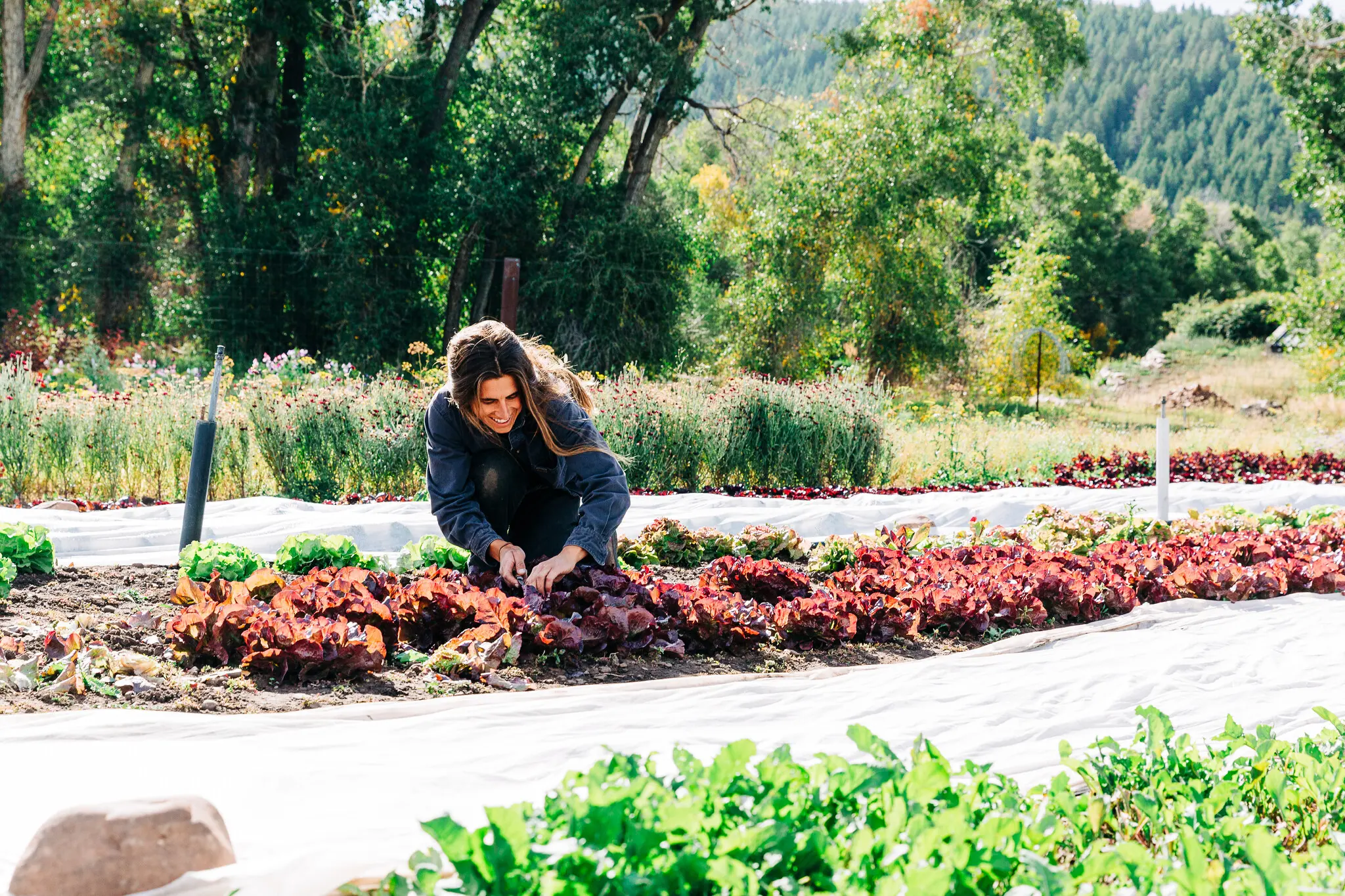
When we think of farming, a ski resort is the least likely backdrop. But it’s this contradiction that draws Roni, blending her passion for mountain rec with soil conservation, cover-cropping, and those gotta-have-’em winter greens. “I do like growing food at elevation!” she admits. “Partially because its challenges keep [the job] interesting, and also because living and playing in the mountains is a true blessing. I would much rather grow crops that thrive in the cooler temps than try to force certain crops to grow that need a long, hot season to mature and taste well. Tomatoes are always worth it––but let’s not forget how amazing carrots, beets, snap peas, and spinach taste here, too.”
For clarity, when discussing agriculture, it’s important to differentiate between gardening and farming. Unless you’re a routine hobby farmer tracking sunlight, weather patterns, and soil pH, it’s likely you’re engaging with Mother Nature creatively and with carefree abandon (no judgment; this would be my approach). If this is you (and me), you’re surprised when seeds turn to sprouts, sprouts turn to vines, and those baby tomatoes fill you with a joy not unlike what a caveman might have experienced at the sight of the first spark of fire.
Farming, however, is the careful approach to a cultivation of crops that requires considered calculations (and way more science than it seems). In agriculture, you aren’t surprised when seeds sprout, because you grew them in a greenhouse away from hungry birds. Your vines are trellised for function, not fashion; your suckers are pruned; and your tomatoes are sold by the pint. You also track your Growing Degree Days (GDD).
GDD is a measure of accumulated heat used to track plant growth and development. It takes the average of the daily high and low—beep-boop-beep (that’s the sound of my calculator)—and subtracts a base temperature that varies by crop. Park City has a staggeringly low GDD, less than 1,500 compared to its counterparts in the valley, which can accumulate upwards of 2,500 to 3,500. This means that crops grown at Copper Moose Farm must mature quickly while simultaneously weathering extreme temperature swings with highs in the 80s and lows in the 40s––all within a 24-hour period.
“There are about 100 different ways to get from seed to harvest, and every farm is doing that a little bit differently, yet getting to the same result. It’s just a matter of finding what works for your specific operation,” explains Roni. “I think it can be hard for people traveling in the middle of summer from sea level––where they see tons of tomatoes and beans and peppers, then they get here and forget the climate is very different from their home. All of those veggies are wonderful, but there are a lot of other crops that we need to lean into when growing at elevation. It’s a matter of training people to eat locally and love what each season offers. That’s always the goal.”
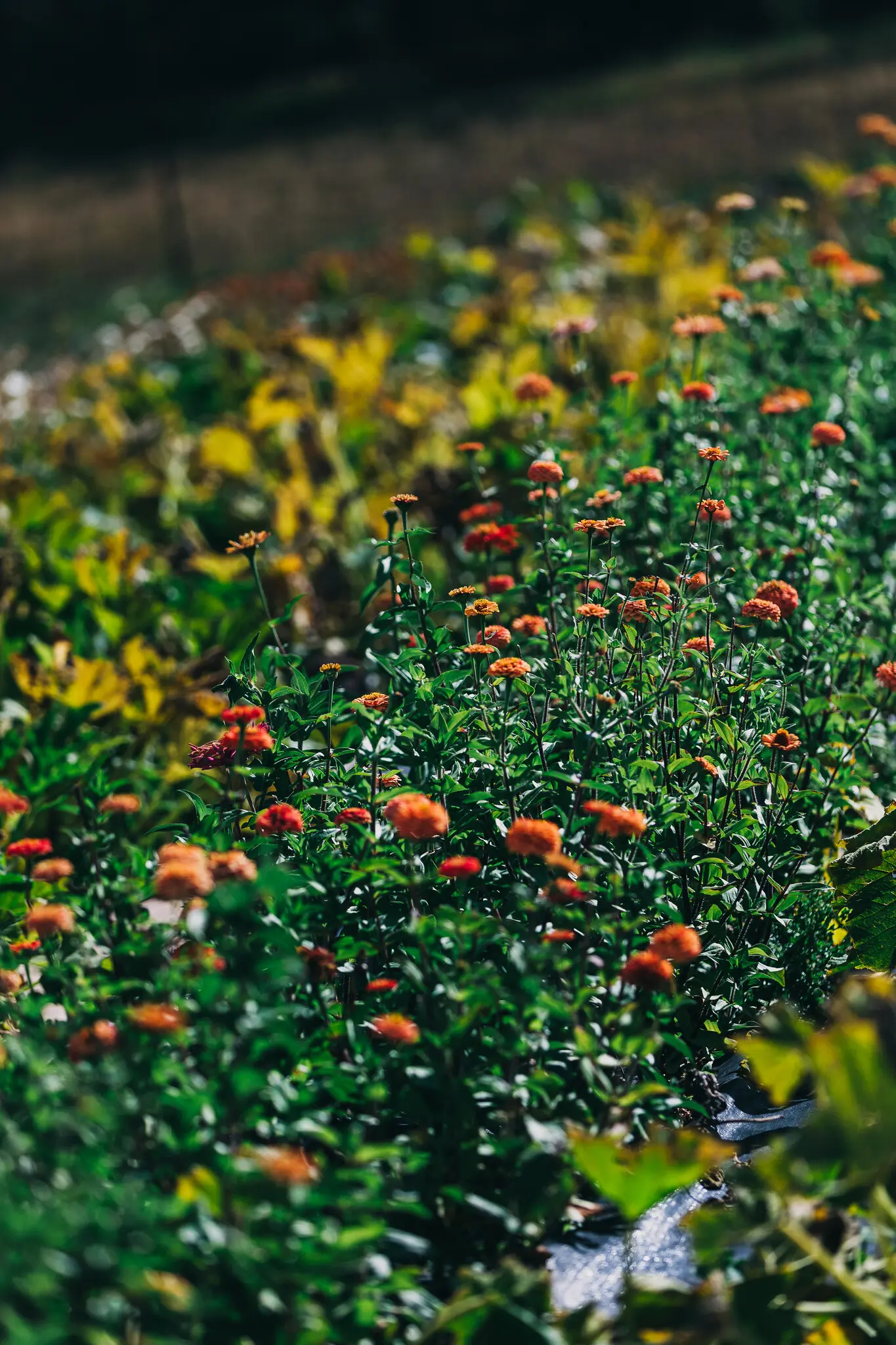
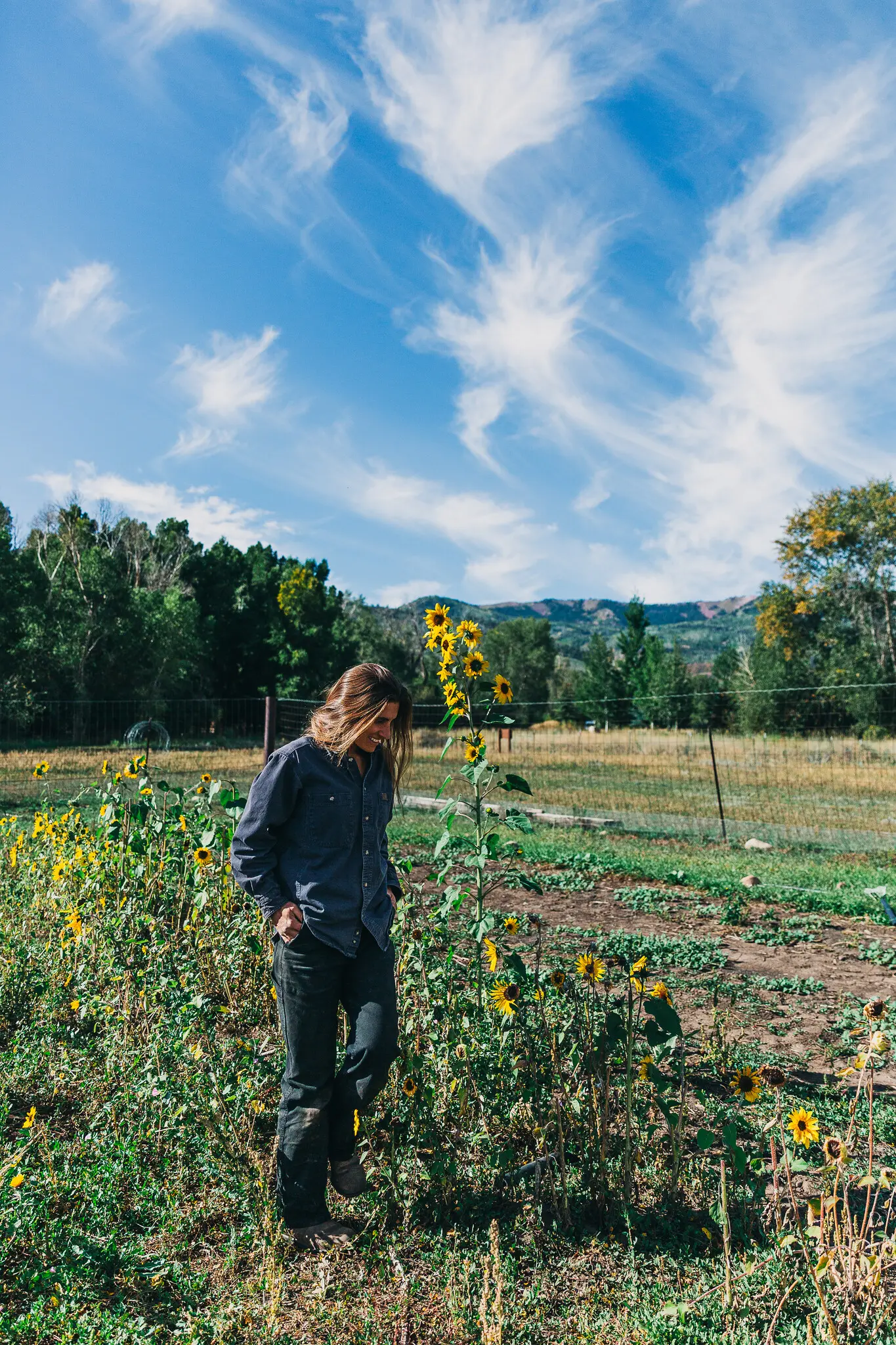
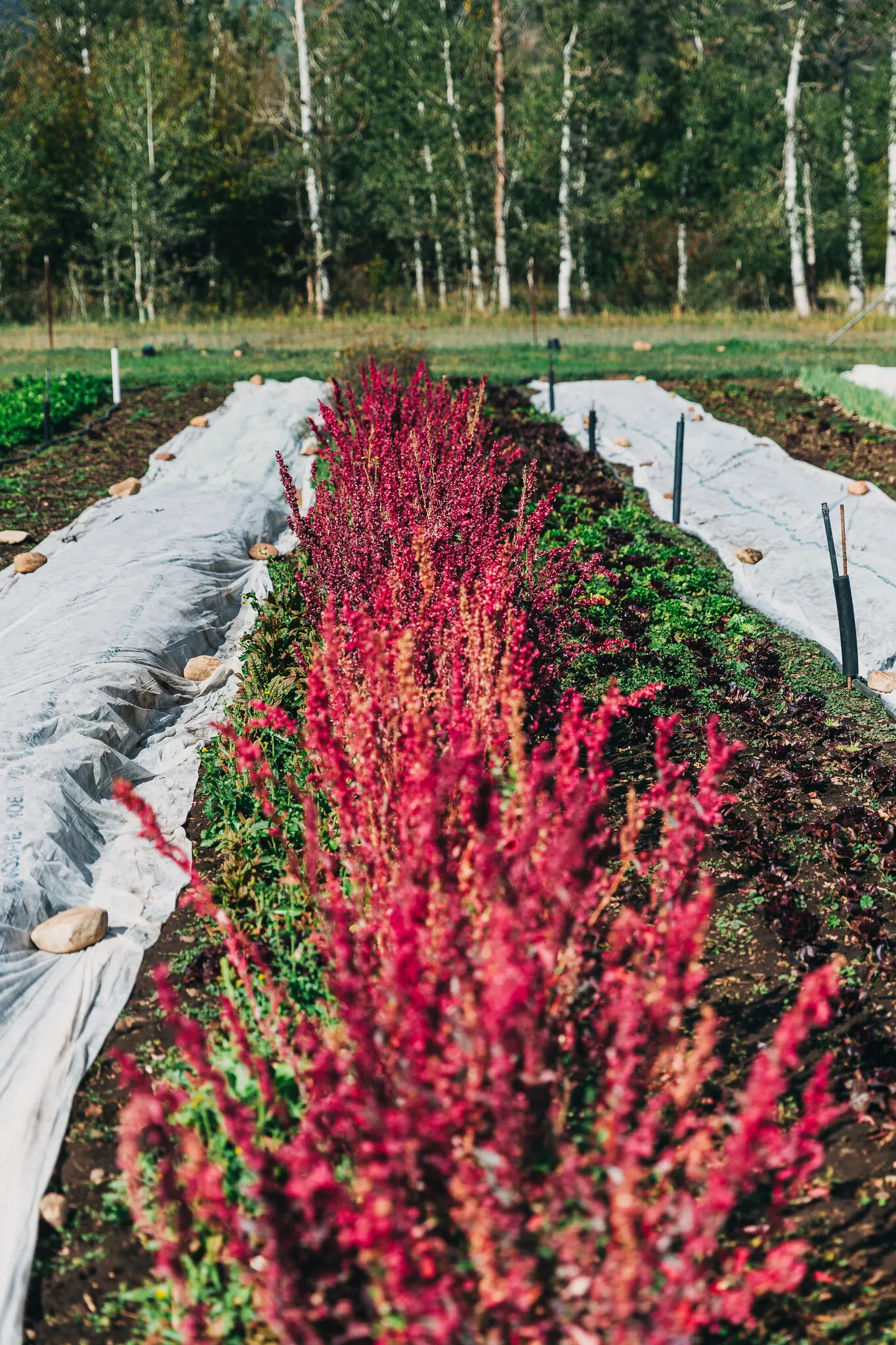
But eating local doesn’t mean forgoing flavor. In fact, high-altitude agriculture is some of the most deliciously pungent. Those same temperature swings that eliminate Park City’s ability to confidently grow corn, pumpkins, and peppers (all of which need a high GDD) help mild-season crops like broccoli, cauliflower, arugula, and leeks to retain larger amounts of natural acids and sugars, leading to greater depth of flavor and a more robust (deliciously speaking) harvest.
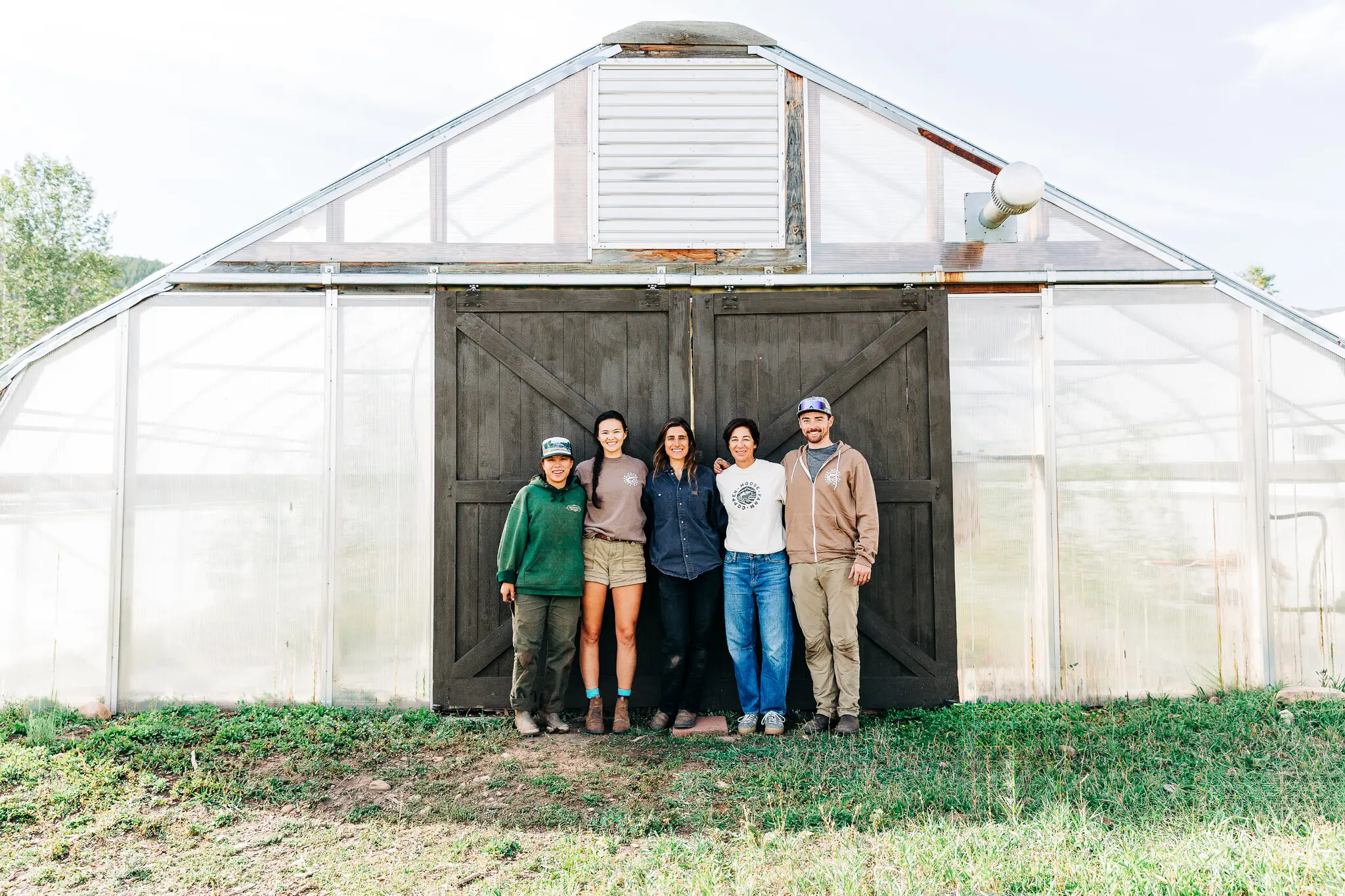
“Growing at elevation means always watching the lows and figuring out ways to keep your plants warm at night,” adds Roni, “especially in the early season. This has been my first season farming with Copper Moose, so I am excited to enter into winter here and be able to plan and grow winter greens accordingly, but this season would not have been possible without the amazing team we had. I am feeling so grateful for Kristi and John Cumming, the owners of Copper Moose Farm, as well as Hope, Annika, Caleb, and Sophia, for all of their hard work and dedication to growing food for our community.”
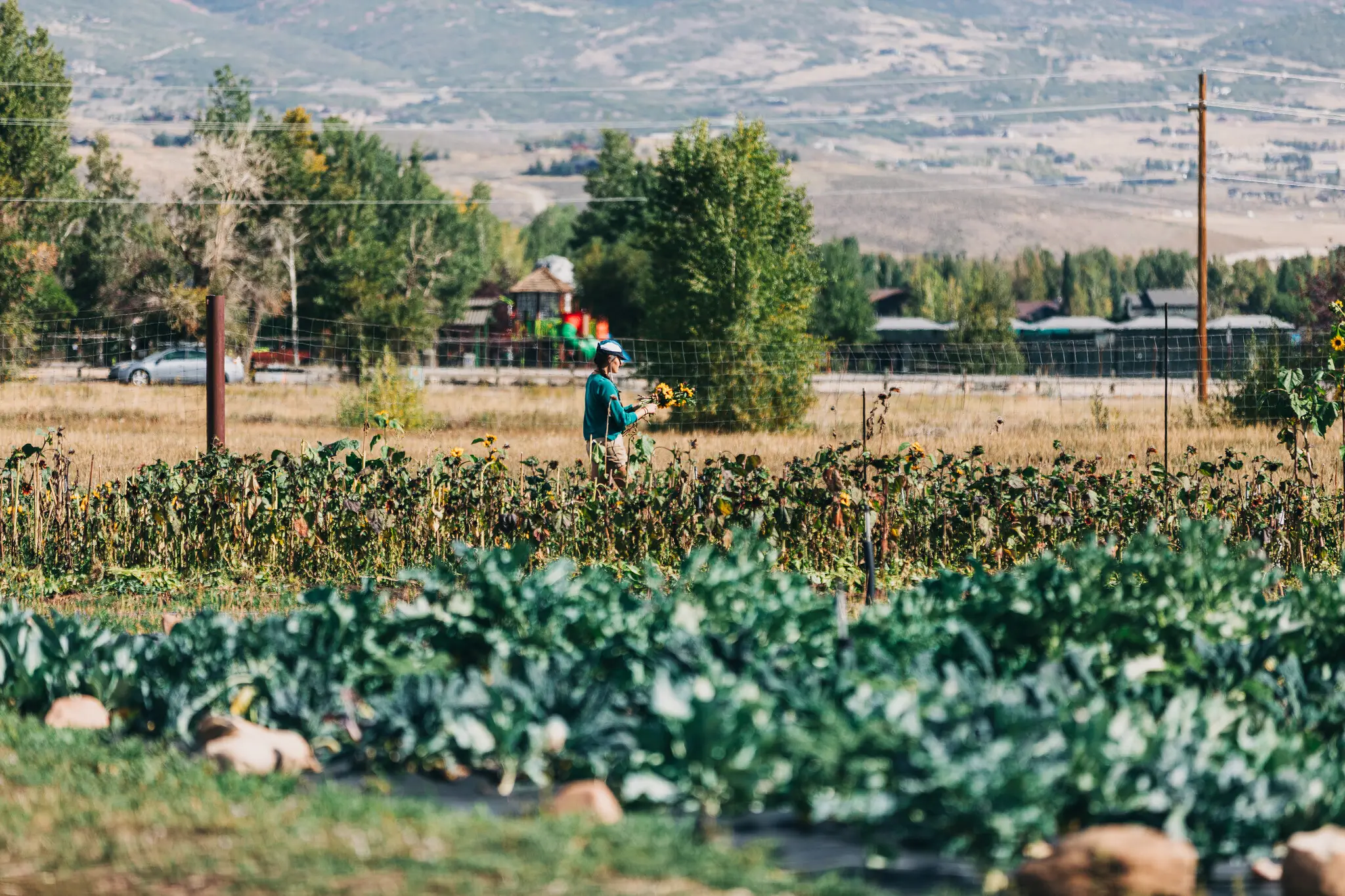
As their short season comes to another close, Roni and Property Manager Ben will remain on through winter, growing in the greenhouse, tending to irrigation, and winterizing the farm. Even in snow, nothing comes to a complete stop, as preparing for another season is done long before the last frost––even on a small operation in the shadow of America’s largest ski resort. But unlike her surroundings, which will soon be a bustling home to thousands of cold-weather travelers, Copper Moose Farm will enter her own sort of hibernation.
“I still have a lot of exploring to do in Park City,” says Roni, in reference to how she plans to spend her time away from Copper Moose. That means cooking, biking, and preparing for another season on Park City’s prettiest farm.


4251 E Lipizzan Jump
Moab, UT 84532