Summit County’s aging population exposes gaps in transportation and senior care

SUMMIT COUNTY, Utah — Summit County is preparing for a sharp increase in its older population as residents and consultants identify gaps in transportation, housing and support for people who want to remain in their homes as they age.
Consultants developing the county’s senior services strategic plan told the Summit County Council on Wednesday that residents age 65 and older currently account for slightly more than 15% of the population and could double in number over roughly the next decade.
Jordan Pallitto, chief operating officer of The Hill Group, said demographic changes affecting communities nationwide appear more acute in Summit County.
“This, to me, just based on other experiences, feels like it’s the right time to be doing this exercise,” Pallitto said.
The Pennsylvania-based consulting firm is evaluating the county’s senior centers, meal programs and broader network of services. A draft plan is expected by the end of August and could return to the council for adoption in September, Deputy County Manager Janna Young said.
The plan will likely include funding requests during the county’s 2027 budget process.
The preliminary findings build on demographic trends TownLift reported in 2022, when county data showed residents 70 and older were expected to account for most of Summit County’s population growth over the following decade.
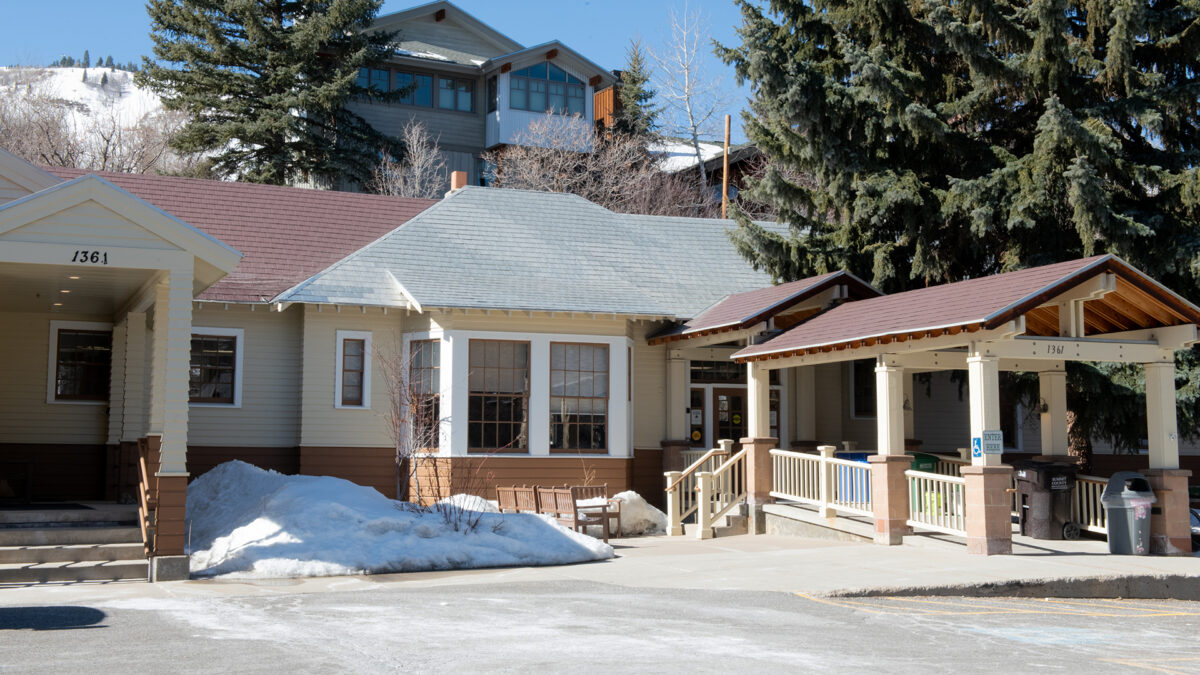
Consultants said the county begins from a position of strength, with senior centers in Park City, Coalville and Kamas, well-regarded meal programs and residents who are closely connected to their centers.
But meals and activities alone will not be enough, Pallitto said.
Residents participating in about 25 interviews, meals, focus groups and other engagement sessions said they want programs supporting physical health, mental well-being and social connection. They also want better information about services that already exist and help navigating those programs.
Transportation emerged as the most consistent concern.
Some senior transportation is provided by volunteers, including free rides to medical appointments on weekdays when drivers are available. Rides generally must be requested at least one week in advance, according to the county.
Consultants and county staff said the current system does not meet the full need, particularly in rural communities.
Young described one Coalville resident who had moved in with her son and was no longer allowed to drive on Interstate 80. Without another transportation option, the woman had limited access to medical appointments, groceries and other routine services.
“Universally, no matter who we’re talking to, that is the number one thing that comes up all the time,” Young said.
The county is also confronting a lack of senior care options.
Council member Tonja Hanson asked whether the strategic plan would examine assisted living, memory care and other residential services. Pallitto said the absence of local senior care facilities had repeatedly surfaced during community discussions.
Young said the county originally considered including a feasibility study for a continuing care retirement community in the current contract. Consultants advised that such a study would substantially expand the project, and county staff now expect to seek funding for a second phase in 2027.
Before proceeding, Young said the county must clarify what kind of senior care is planned as part of the Kimball Junction redevelopment.
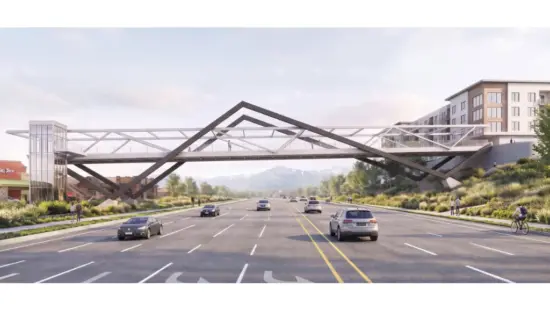
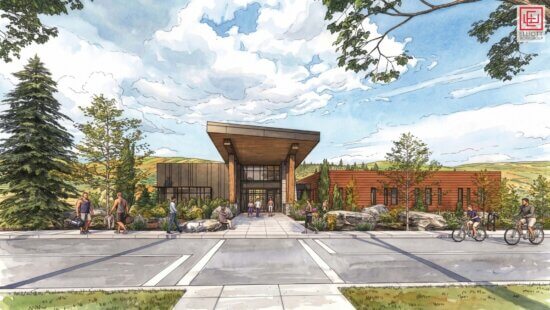
Summit County has said the redevelopment’s approved Housing and Transit Reinvestment Zone includes dedicated senior care and medical facilities. The county has not publicly specified whether those plans include independent senior housing, assisted living, memory care or a continuing care retirement community.
Young said the county may extend its contract with The Hill Group for a feasibility study if the planned development does not meet the broader need identified by residents and consultants.
No decision was made Wednesday.
The discussion comes as housing pressures affect residents across income and age groups. TownLift reported in April that Summit County faced an estimated shortage of about 7,600 homes as of early 2025, with the county needing roughly 600 additional units a year over the next decade.
For older residents, the question is not only whether housing exists, but whether it allows them to remain near family, health care and familiar communities as their needs change.
Consultants said the plan will look beyond the county’s three senior centers and examine the larger network needed to help residents age in place.
The county already offers meals, activities, medical transportation and other assistance. Earlier TownLift reporting outlined programs ranging from volunteer snow removal to property tax relief, but consultants said many residents do not know what is available or how to access it.
The county may also reconsider how it describes or brands senior services. Consultants said some residents who meet the age requirements do not see themselves as old enough to attend a traditional senior center.
Pallitto said the final plan could recommend broader language emphasizing active aging or wellness, expanded transportation, support for aging at home and more coordinated access to services.
The aim, he said, is to determine what Summit County will need to remain “an excellent place to age.”


4251 E Lipizzan Jump
Moab, UT 84532