Environment
February skies offer prime viewing conditions for winter constellations

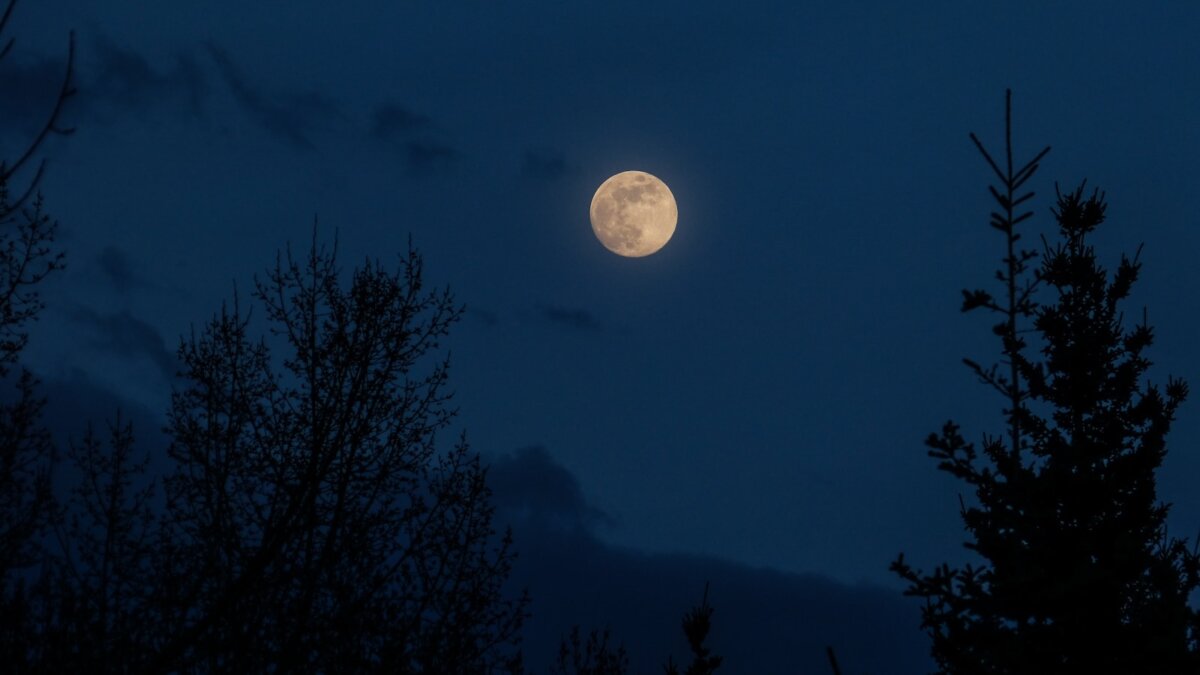
Photo: Kym MacKinnon
PARK CITY, UT — February’s long nights and crisp air create ideal conditions for viewing some of winter’s brightest celestial features, according to The Old Farmer’s Almanac.
The publication calls this month “no better time” to view Orion the Hunter, which dominates evening skies throughout February. Skywatchers can locate the constellation by finding three evenly spaced stars forming a short, straight line—Orion’s Belt—then tracing the larger hourglass shape surrounding it.
Following Orion’s Belt downward and to the left leads to Sirius, which The Old Farmer’s Almanac identifies as the “brightest star of February.” The star remains visible “from nightfall until midnight” throughout the month.
February’s Full Snow Moon reached peak illumination on Feb. 1, according to the almanac. The lunar phase occurs annually during the month historically associated with heavy snowfall.
On Feb. 2, The Old Farmer’s Almanac notes the moon will appear near Regulus during evening hours. Observers can locate the pairing by scanning the eastern sky after sunset for a bright point of light near the moon.
Later this month, an annular solar eclipse will occur on Feb. 17, according to the almanac’s 2026 calendar. The publication emphasizes that proper eclipse eye protection is required for safe viewing—direct observation of the sun without certified filters can cause permanent eye damage.
Astronomers recommend allowing 10 to 15 minutes for eyes to adjust to darkness and keeping phone screen brightness low to preserve night vision—conditions that make even a brief evening outside worthwhile this month.
By: Rebecca Brenner


438 Castle Valley Drive
Castle Valley, UT 84532
80 West 300 North
Salt Lake City, UT 84103
3267 W Deer Hollow Road, Unit 2305
Park City, UT 84060
2349 S Lava Vista Drive, Lot 32
Santa Clara, UT 84765Talk of the Town


Park City Jobs

Junior Interior Designer, Abigail Hill
4 days ago Contractor

Dental Assistant, Rise Dental Wellness
4 days ago Full time

Sales & Marketing Coordinator – B2B Publishing, Power Trade Media
6 days ago Full time $40,000 - $45,000 yearly

Garden Steward and Educator, Summit Community Gardens and EATS
11 days ago Seasonal

PROGRAM AND EVENT COORDINATOR, PC READS
12 days ago Part time $25.00 hourly