Health
What to know about this year’s flu season as cases rise across Utah

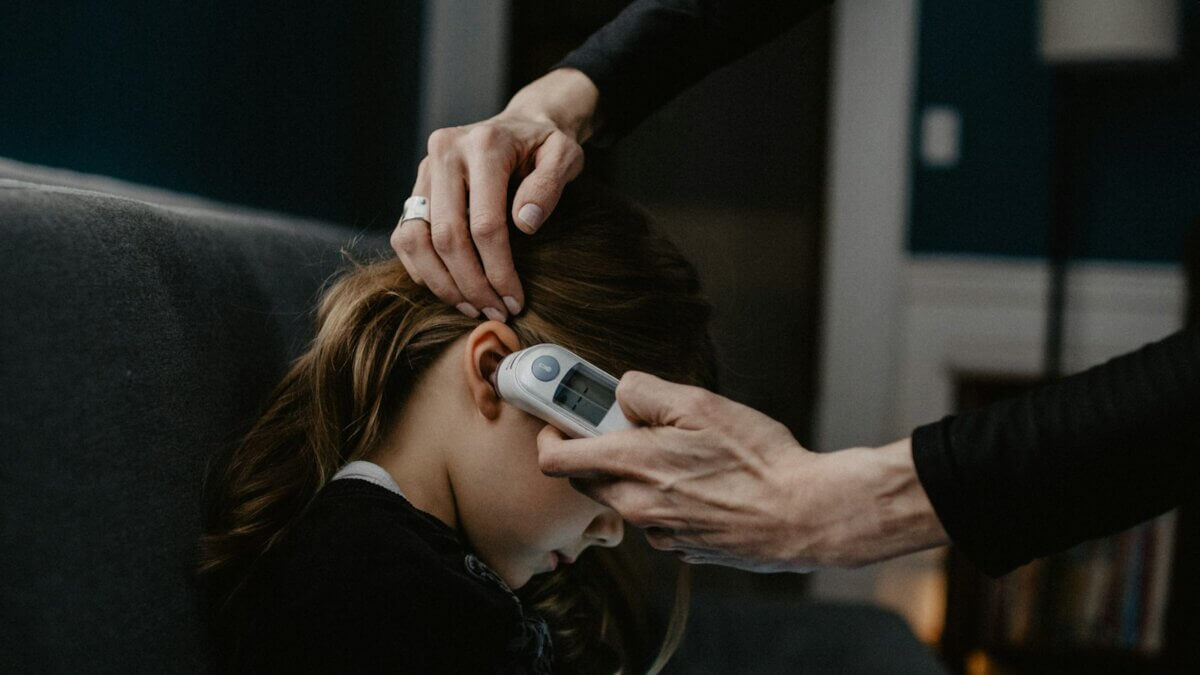
The 2025-26 flu season has been exacerbated by a new strain of Influenza A. Photo: Unsplash // Kelly Sikkema
UTAH — The 2025–26 flu season is shaping up to be one of the more active in recent years, with influenza cases rising steadily nationwide and in Utah. According to the Centers for Disease Control and Prevention (CDC), seasonal flu activity has climbed sharply, and the agency has classified the current season as moderately severe based on the latest data.
Across the U.S., public-health estimates indicate 11 million flu illnesses, 120,000 hospitalizations, and 5,000 deaths, as of the most recent CDC flu report this season.
In Utah, state health data show nearly 700 influenza-associated hospitalizations this season, with flu activity increasing across counties. Severity gauges based on historical trends place the current season at moderate to high levels locally, signaling broad circulation of the virus.
Public health officials say much of this season’s surge appears to be driven by a mutated form of Influenza A (H3N2) known as subclade K. That variant, sometimes dubbed the “super flu,” has become the dominant strain in the U.S. and many other countries. But experts caution that the nickname is not an accurate medical term; there isn’t strong evidence that this strain causes more severe illness than other seasonal flu viruses.
The subclade K viruses have evolved slightly from the version of H3N2 included in this year’s flu vaccine, which may mean the vaccine doesn’t prevent infection as well as some years. However, health authorities emphasize that flu vaccination still offers meaningful protection, particularly against severe disease, hospitalization, and death, and also protects against other strains that are circulating.
The Utah Department of Health & Human Services underscores this message, encouraging residents who have not yet been vaccinated to get a flu shot now to reduce their risk through the peak of the season.
Flu vaccines are available at all three Summit County Health offices in Park City, Coalville, and Kamas.
In addition to vaccination, other ways to protect yourself and others include:
- Practicing good hand hygiene, including frequent handwashing.
- Staying home when sick to avoid spreading the virus.
- Talking with your healthcare provider about antiviral medicines if you get sick, especially if you are at higher risk for complications.
Flu season typically peaks in mid-winter but can persist into early spring, so taking preventive steps now can make a significant difference for you, your family, and the community.
By: Heather Bergeson


3267 W Deer Hollow Road, Unit 2305
Park City, UT 84060
1511 S Valley View Circle
Springville, UT 84663
2349 S Lava Vista Drive, Lot 32
Santa Clara, UT 84765
80 West 300 North
Salt Lake City, UT 84103
438 Castle Valley Drive
Castle Valley, UT 84532Talk of the Town


Park City Jobs

General Maintenance Technician, Moose Management Vacation Rentals
1 day ago Full time

Staff Accountant, Surefoot
4 days ago Full time

Office Coordinator, Park City Community Foundation
5 days ago Full time $50,000 - $55,000 yearly

Summit Land Conservancy Programs Specialist, Summit Land Conservancy
5 days ago Full time
Vice President of Finance, Park City Community Foundation
5 days ago Full time $115,000 - $130,000 yearly