Politics
Utah turns 130: Why it took the Beehive state 45 years to join the Union


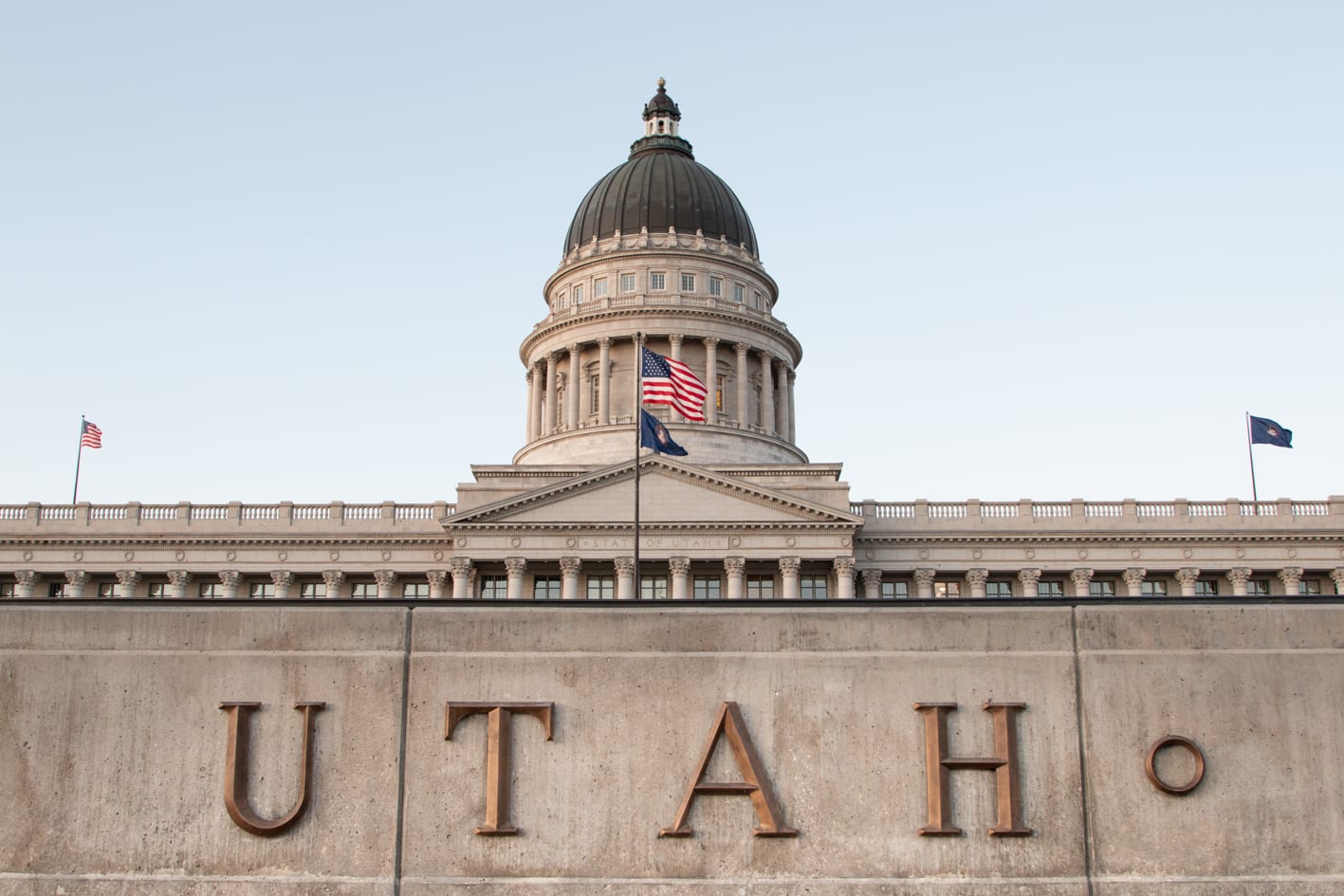
Utah State Capitol Building in Salt Lake City. Photo: Chase Charaba//Unsplash
As the nation celebrates it sesquicentennial, Utah is celebrating its own landmark anniversary. Utah marked its 130th anniversary of statehood on Sunday, commemorating the day President Grover Cleveland signed the proclamation admitting Utah as the nation’s 45th state on January 4, 1896.
Statehood was decades in the making for Utah. White settlers first petitioned Congress in 1849, launching an effort that included seven separate bids over 45 years. While Utah was made a territory in 1850, years of federal resistance to statehood followed.
Early petitions were officially rejected over population concerns, but historians also note Congress was largely wary of Utah’s political landscape, dominated by The Church of Jesus Christ of Latter-day Saints, and the practice of polygamy, which was nationally condemned at the time. Momentum finally shifted in 1890 when Church President Wilford Woodruff issued a manifesto ending the practice of polygamy.
Utah’s final petition in 1895 was accepted, allowing delegates to draft a state constitution.
Early settlers initially proposed the name “Deseret,” a religious meaning “honeybee,” reflecting their vision of a thriving, industrious community. Congress, however, rejected Deseret, and the name Utah, derived from the Ute Native American tribe, was ultimately chosen when statehood was granted.
Utah officially joined the Union on Jan. 4, 1896, with Heber Manning Wells sworn in as the state’s first governor. Gov. Spencer Cox marked the anniversary with a public post celebrating Utah’s history and growth since statehood.
By: Heather Bergeson


2349 S Lava Vista Drive, Lot 32
Santa Clara, UT 84765
3267 W Deer Hollow Road, Unit 2305
Park City, UT 84060
438 Castle Valley Drive
Castle Valley, UT 84532
80 West 300 North
Salt Lake City, UT 84103Talk of the Town


Park City Jobs

Sales & Marketing Coordinator – B2B Publishing, Power Trade Media
1 day ago Full time $40,000 - $45,000 yearly

Computer / Website Assistant, Summit Support
5 days ago Part time $20.00 - $30.00 hourly

Garden Steward and Educator, Summit Community Gardens and EATS
6 days ago Seasonal

PROGRAM AND EVENT COORDINATOR, PC READS
6 days ago Part time $25.00 hourly

Development Manager, Blue Sky Utah
7 days ago Part time $28.00 - $32.00 hourly