Health
Utah agencies warn of increased carbon monoxide risk during winter months

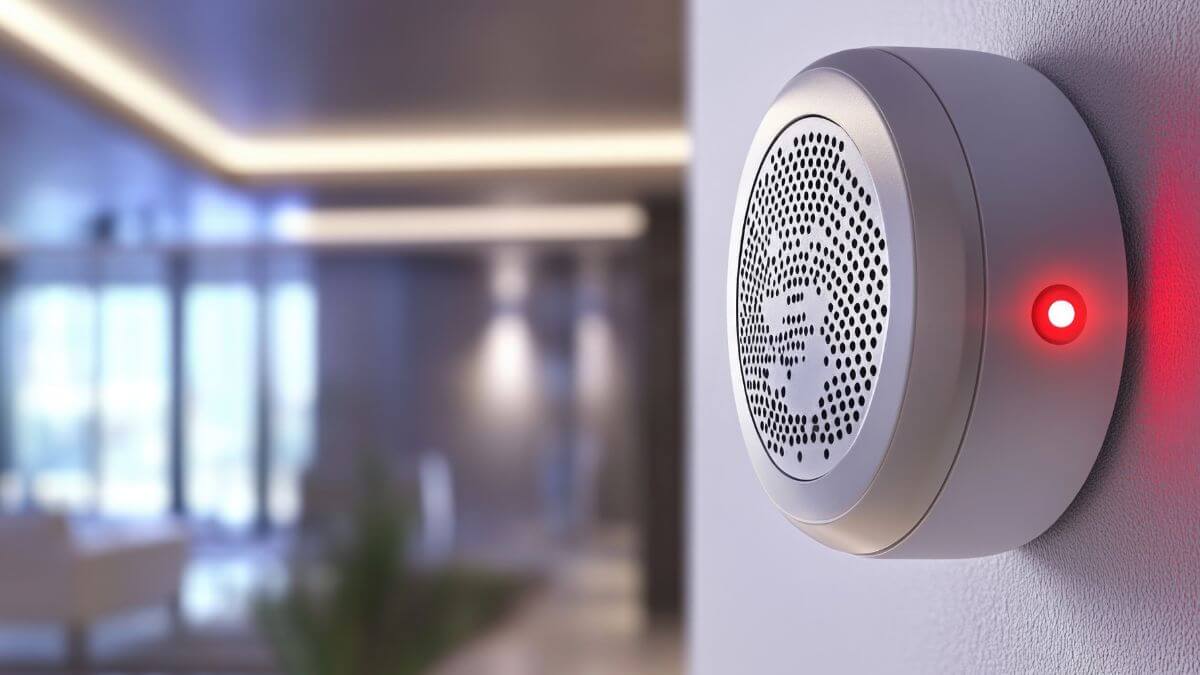
A carbon monoxide detector installed near sleeping areas can provide early warning of dangerous gas levels, especially during winter months. Photo: Pixabay
SALT LAKE CITY, Utah — As colder weather sets in, Utah health and safety officials are reminding residents about the dangers of carbon monoxide poisoning, a leading cause of accidental poisoning deaths nationwide.
Carbon monoxide (CO) is often called the “silent killer” because it is odorless and invisible. CO gas leaks send more than 100,000 people to emergency rooms across the US each year and are responsible for more than 400 deaths annually, according to federal health officials. In Utah, the most recent data shows 384 emergency room visits and three deaths from CO poisoning in 2024.
In response, the Utah Poison Control Center, Utah Department of Health and Human Services, Unified Fire Authority, and Enbridge Gas Utah, Wyoming, and Idaho are jointly urging Utahns to take preventive steps and understand the warning signs of exposure.
What is carbon monoxide?
Carbon monoxide is produced when fuels such as gasoline, natural gas, propane, kerosene, wood, or coal do not burn completely. Common sources include vehicle exhaust, furnaces, gas ranges, generators, charcoal grills, camp stoves, and fireplaces.
When these appliances malfunction or are used improperly, particularly in enclosed or poorly ventilated spaces, CO can quickly build up indoors, poisoning both people and pets.
Symptoms can be easy to miss
Because carbon monoxide cannot be seen or smelled, officials say it’s critical to recognize the symptoms of poisoning, which often affect multiple people in the same space. Common warning signs include headaches, dizziness, nausea, vomiting, weakness, and the sudden improvement of symptoms after leaving the area.
How to reduce your risk
Officials emphasize that CO poisoning is preventable. Recommended safety steps include having all fuel-burning appliances inspected annually by a licensed technician and installing Underwriters Laboratory-approved carbon monoxide detectors on every level of the home, especially near sleeping areas.
Residents are also advised to clear snow away from vents and exhaust stacks after storms, avoid using grills or generators indoors or in garages, and never leave vehicles running in attached garages, even with the door open. Unvented stoves, fireplaces, and gas ovens should not be used to heat homes.
Installing and maintaining smoke detectors can also help prevent many fire-related carbon monoxide incidents.
What to do if a CO alarm sounds
If a carbon monoxide detector alarms continuously, officials say to act immediately. Everyone should leave the building and get to fresh air. Anyone experiencing dizziness, nausea, or light-headedness should seek medical help right away and call Poison Control at 1-800-222-1222.
Call 911 if someone is unconscious, having trouble breathing, or if emergency responders are needed to help identify the source of the carbon monoxide. Residents should also contact their local natural gas provider to report the issue.
For more information about carbon monoxide poisoning and Utah-specific data, residents can visit the Utah Environmental Public Health Tracking website.
By: Heather Bergeson


3267 W Deer Hollow Road, Unit 2305
Park City, UT 84060
2349 S Lava Vista Drive, Lot 32
Santa Clara, UT 84765
438 Castle Valley Drive
Castle Valley, UT 84532
80 West 300 North
Salt Lake City, UT 84103Talk of the Town


Park City Jobs

Junior Interior Designer, Abigail Hill
4 days ago Contractor

Dental Assistant, Rise Dental Wellness
4 days ago Full time

Sales & Marketing Coordinator – B2B Publishing, Power Trade Media
6 days ago Full time $40,000 - $45,000 yearly

Garden Steward and Educator, Summit Community Gardens and EATS
11 days ago Seasonal

PROGRAM AND EVENT COORDINATOR, PC READS
12 days ago Part time $25.00 hourly