Sponsored
The mountain home aesthetic is evolving: What design leaders say

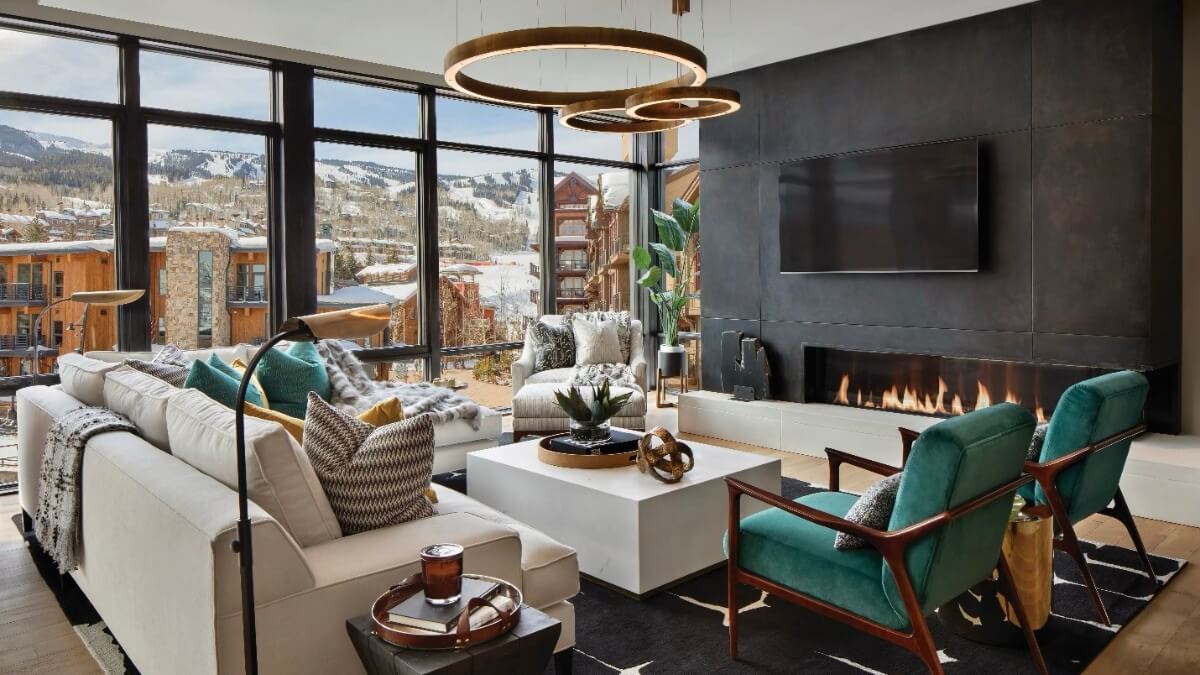
Photo: Barclay Butera Interior Design
PARK CITY, Utah — The mountain home aesthetic in Park City is undergoing a quiet transformation. As the community continues to attract residents seeking year-round living in the Wasatch, the design language defining local interiors is evolving away from heavy rustic tropes toward something more refined—spaces that feel layered, intentional, and rooted in the landscape itself.
The shift reflects a broader philosophy taking hold among Park City designers: mountain homes should feel like a natural extension of the surrounding terrain, not a departure from it. For design leaders like Barclay Butera Interior Design, this principle has become foundational to how they approach homes across the valley.
Color as Foundation
Walk into a contemporary Park City home designed with 2026 in mind, and the difference is immediate. The dark lodge tones and high-contrast palettes are behind us, and color is slowly making its way back in. We are moving beyond the pandemic-era neutrals that once dominated interiors and left many spaces feeling flat and anonymous to homes that feel warmer, more expressive, and undeniably personal.
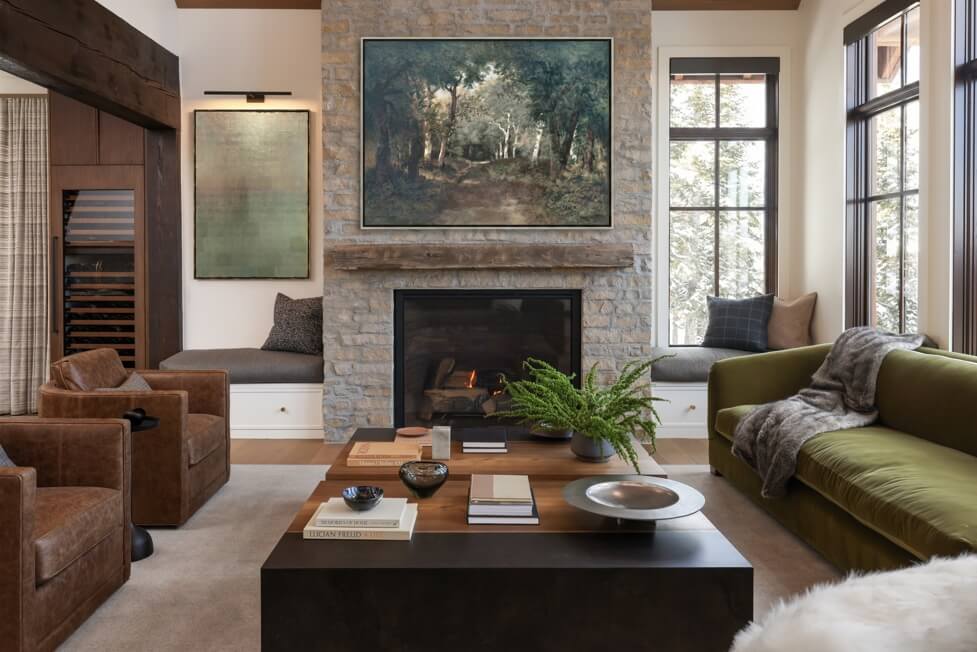
Warm, grounded neutrals inspired by the Wasatch landscape—stone, bark, sand, and weathered wood—create a calming foundation. Soft taupes, warm ivories, slate grays, and mossy greens layer tone-on-tone across walls, upholstery, and case goods. The effect is cohesive without feeling monotonous.
“In mountain interiors, color should feel enveloping and timeless,” says Barclay Butera. “It’s about warmth, harmony, and—believe it or not—restraint. We don’t need or want to be overly trendy or dramatic.”
This philosophy is why their Park City projects, including the Victory Ranch Cabins, One Empire Pass, Flagstaff, and Argent Deer Valley, to name a few, continue to feel relevant years later. By honoring the mountain setting without leaning too rustic, their designs achieve a balance that feels both grounded and enduring.
Pattern and Texture, Refined
Pattern is making a comeback in Park City design, but subtly. Rather than bold statements, designers are drawing inspiration from nature and craftsmanship—subtle geometrics, artisanal stripes, and abstract motifs that evoke topography and natural rhythms.
Larger-scale patterns anchor spaces through area rugs or statement upholstery, while smaller-scale details like herringbones or micro plaids appear in pillows, bedding, and accent pieces. The balance matters: mixing scales while maintaining a cohesive palette prevents the eye from feeling overwhelmed.
For homes with exposed beams, stone fireplaces, and the expansive windows Park City is known for, pattern becomes a supporting layer rather than the focal point. It complements the architecture rather than competing with it.
Fabrics That Perform
One incredibly important concept that the Barclay Butera team always keeps top of mind is that Park City’s homes demand interiors that are both beautiful and built to last. Natural fibers remain essential—wools, linens, and cotton blends—but with a strong emphasis on performance fabrics that resist wear, stains, and fading.
Bouclé, textured chenille, and soft wool blends bring tactile warmth to seating. Leathers and suedes in camel, saddle, or espresso tones add sophistication and longevity. Cashmere throws, shearling accents, and handwoven pillows layer comfort and visual richness without sacrificing durability.

Furniture: Rustic Reimagined
The mountain furniture aesthetic taking shape in Park City homes moves beyond heavy lodge-style pieces toward cleaner silhouettes with generous proportions and thoughtful detailing. Modern forms meet natural materials—streamlined sofas paired with reclaimed wood tables, sculptural chairs upholstered in plush textures.
Mixed finishes create character: light and dark woods, aged metals, and stone surfaces coexist to add depth and contrast. Comfort remains paramount, but it’s elevated through proportion, craftsmanship, and finish rather than sheer bulk.
The Art of Layering
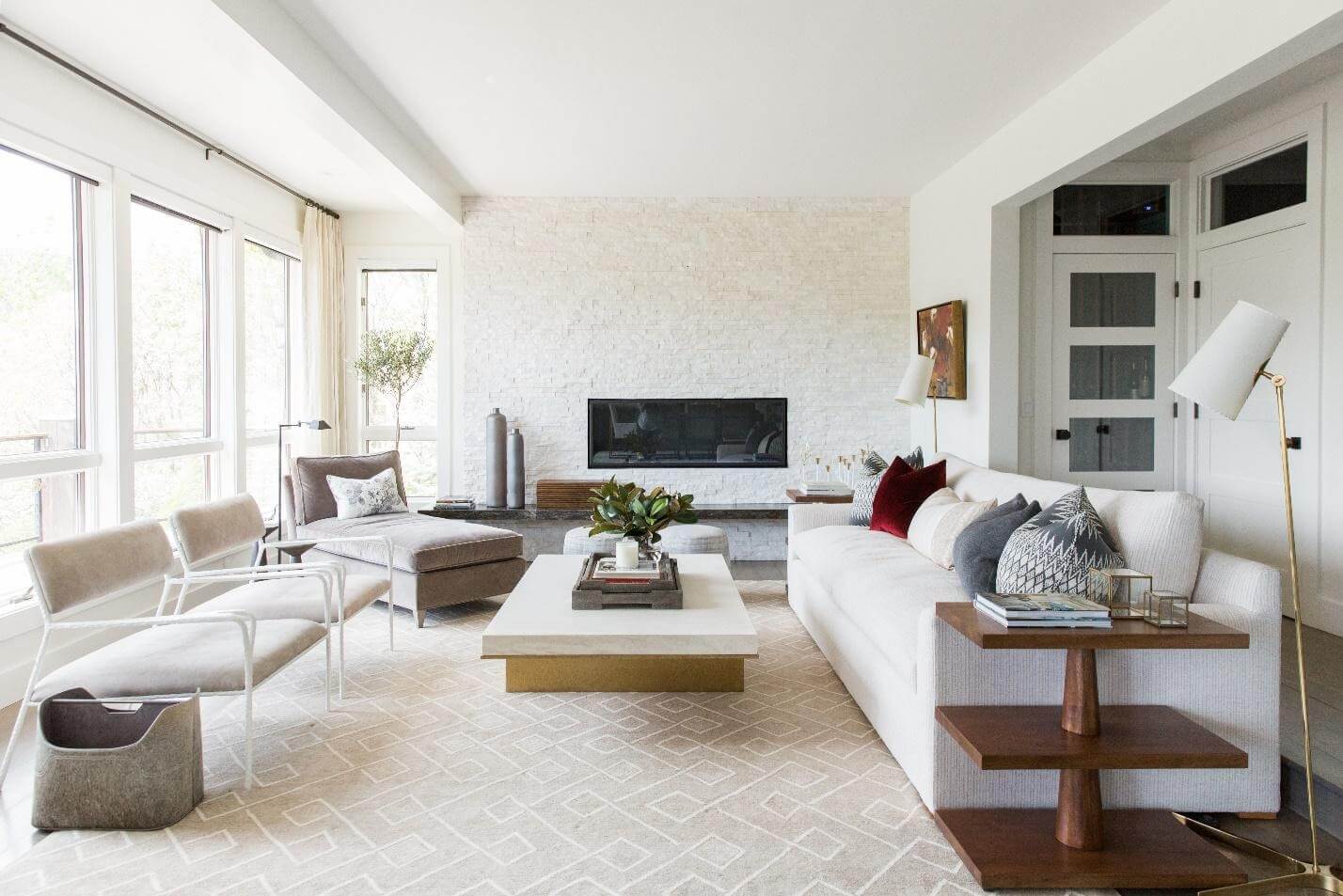
True luxury in Park City mountain homes lies in layering. The most compelling interiors feel collected over time, not decorated all at once. Layering begins with architecture—beams, stone, and scale—then builds through flooring, textiles, furniture, lighting, and carefully chosen accessories.
Area rugs ground spaces. Lighting is layered to include ambient, task, and accent sources, creating warmth during long winter evenings. Accessories are purposeful: ceramics, books, art, and sculptural objects that feel personal and connected to place. Nothing feels overly styled, yet everything feels intentional.
“A well-layered mountain home should feel lived-in, welcoming, and timeless,” says Butera. “It’s about creating spaces that invite you to slow down.”
A Design Philosophy for Park City Living
As Park City continues to attract those seeking balance, beauty, and connection to nature, the interiors defining the community are becoming more thoughtful. Homeowners increasingly reflect a desire for authenticity, comfort, and enduring style—values that align with how local design leaders approach the work.
In Park City, mountain homes are expressions of a lifestyle rooted in the landscape, layered with intention, and designed to endure.
To learn more, or schedule a design consultation, visit Barclay Butera Interior Design.
By: Sponsored by Barclay Butera Interior Design Park City


325 White Pine Canyon Road
Park City, UT 84060
2349 S Lava Vista Drive, Lot 32
Santa Clara, UT 84765
80 West 300 North
Salt Lake City, UT 84103
3267 W Deer Hollow Road, Unit 2305
Park City, UT 84060
438 Castle Valley Drive
Castle Valley, UT 84532
1511 S Valley View Circle
Springville, UT 84663Talk of the Town


Park City Jobs

Hiring Barista Assistants and Baristas, Silver King Coffee
3 days ago Part time $17.00 - $30.00 hourly

General Maintenance Technician, Moose Management Vacation Rentals
7 days ago Full time

Office Coordinator, Park City Community Foundation
10 days ago Full time $50,000 - $55,000 yearly

Summit Land Conservancy Programs Specialist, Summit Land Conservancy
10 days ago Full time
Vice President of Finance, Park City Community Foundation
10 days ago Full time $115,000 - $130,000 yearly