Environment
Salt Lake City’s air ranks worst in U.S. as inversion traps pollution

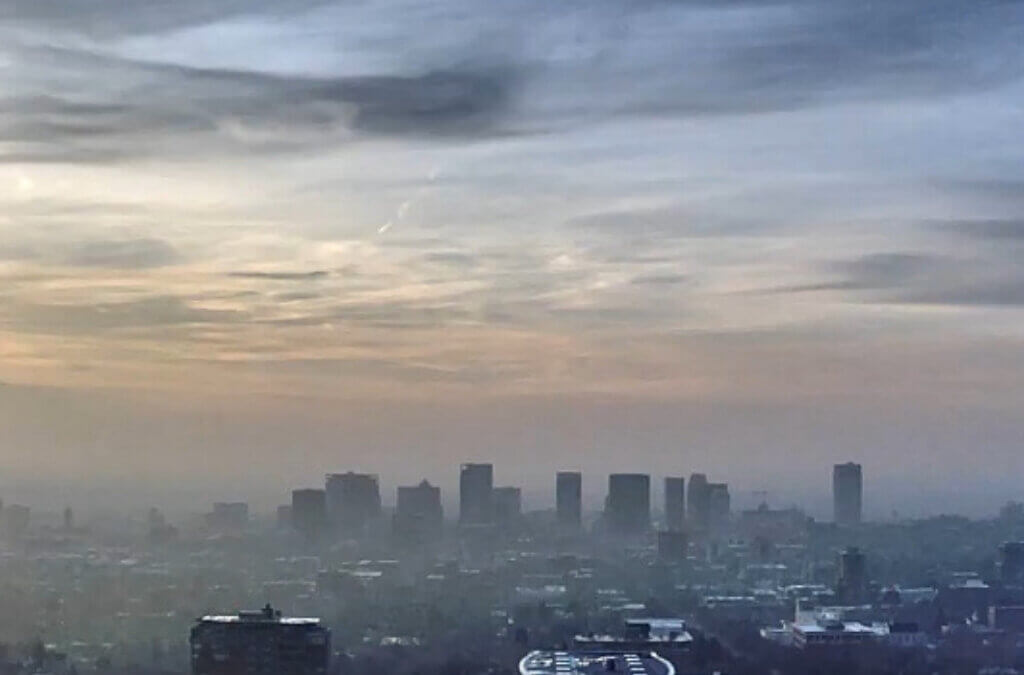
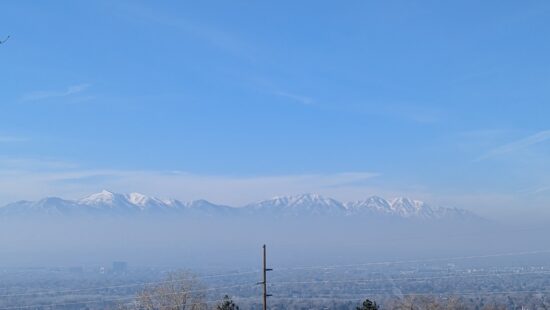
Salt Lake City’s skyline fades behind a thick winter inversion as fine-particle pollution builds in the valley, prompting air-quality warnings and burn restrictions this week. Photo: University of Utah – MesoWest
SALT LAKE CITY, UT — A winter temperature inversion has trapped pollution in the Salt Lake Valley this week, pushing Salt Lake City and nearby Wasatch Front communities to the top of national air-quality rankings earlier in the week and prompting mandatory “no-burn” restrictions, according to the Utah Division of Air Quality and regional reporting.
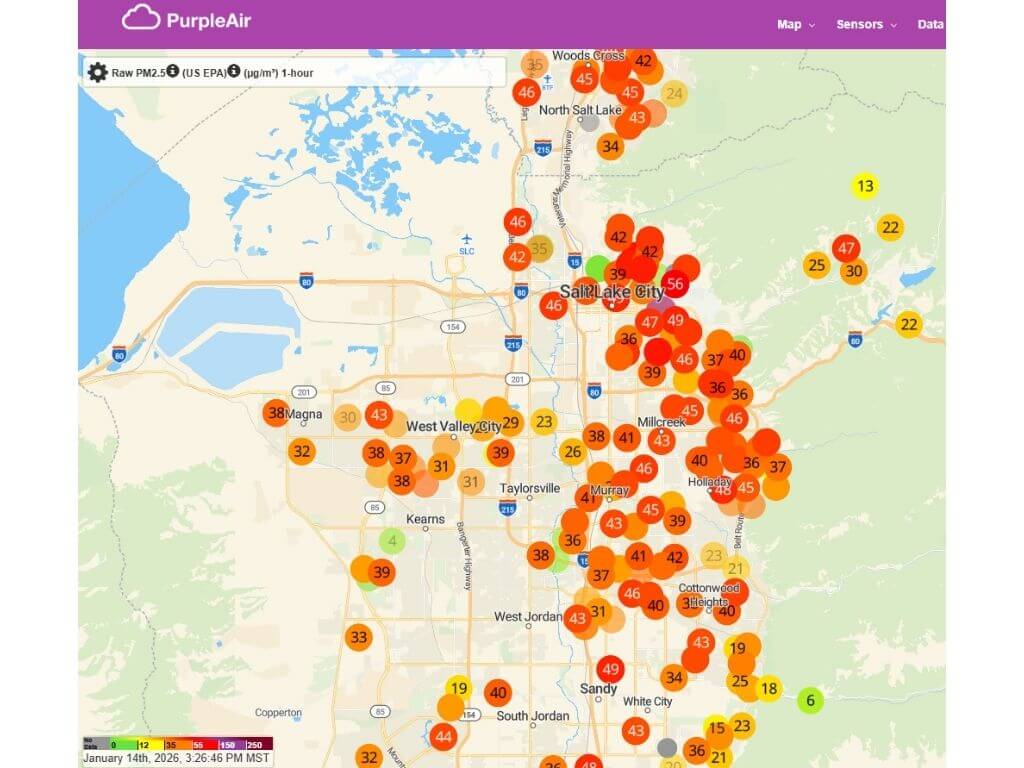
On Monday, Jan. 12, several Salt Lake Valley cities “led the nation” in poor air quality as AQI scores dropped into the “unhealthy for sensitive groups” range, KSL reported. On Tuesday, Jan. 13, Salt Lake City ranked worst in the United States, with an AQI of 123 at 2:45 p.m., Fox 13 reported, citing IQAir. The Salt Lake Tribune also reported Tuesday’s air quality was the worst in the nation, citing the National Weather Service.
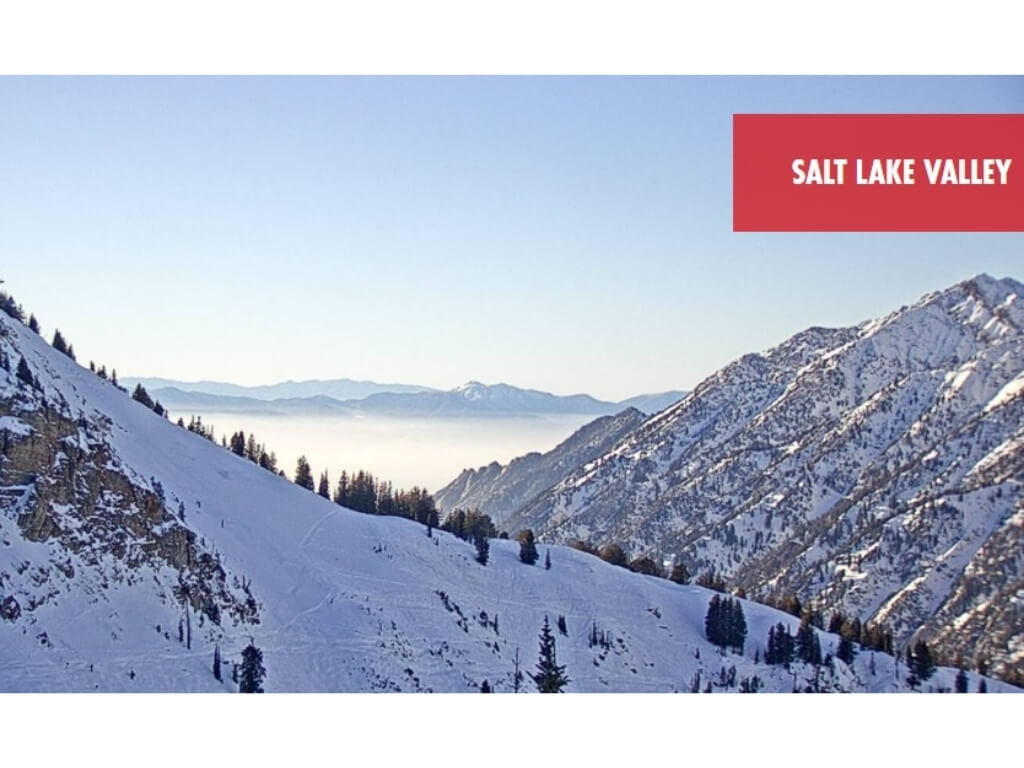
Inversions form when cold air near the surface becomes trapped under warmer air aloft, preventing normal mixing that would otherwise disperse emissions, according to the Utah Department of Environmental Quality. Utah DEQ notes that local topography can intensify the effect, with surrounding mountains helping trap cold air and pollution in valley basins.
Thursday morning, Utah DEQ’s sensors showed the fine-particle pollution that drives winter smog was still up — but the agency noted the data hadn’t gone through full quality checks yet. The forecast still called for unhealthy air for sensitive groups Thursday and Friday, along with mandatory no-burn rules like skipping fire pits and campfires.
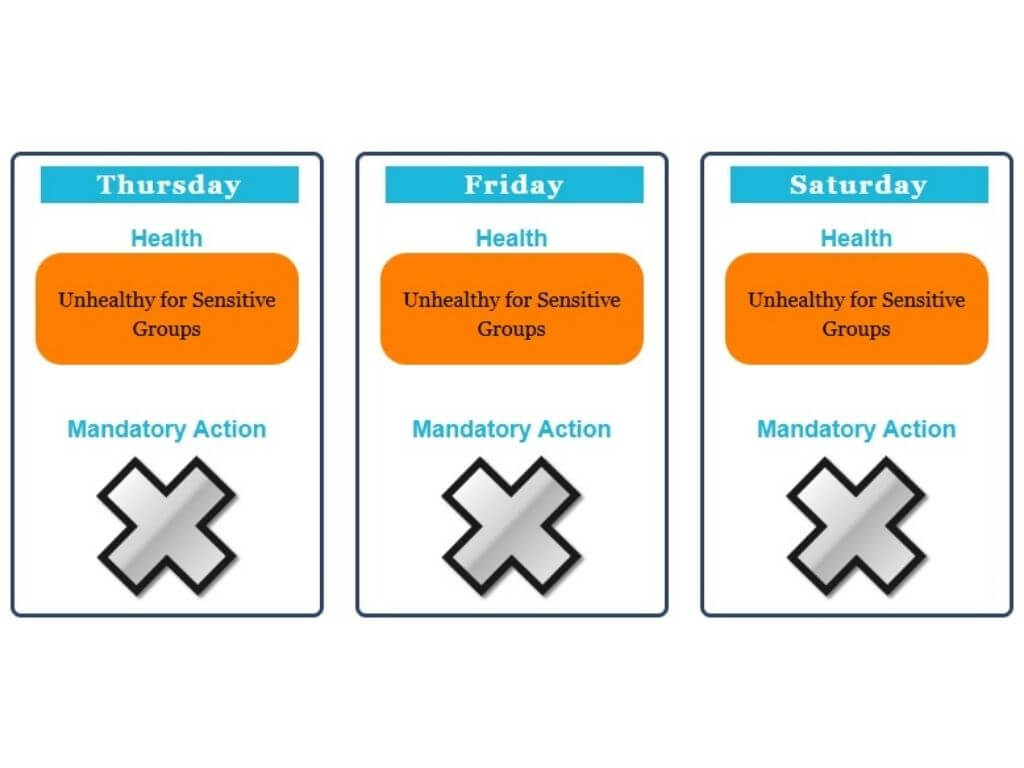
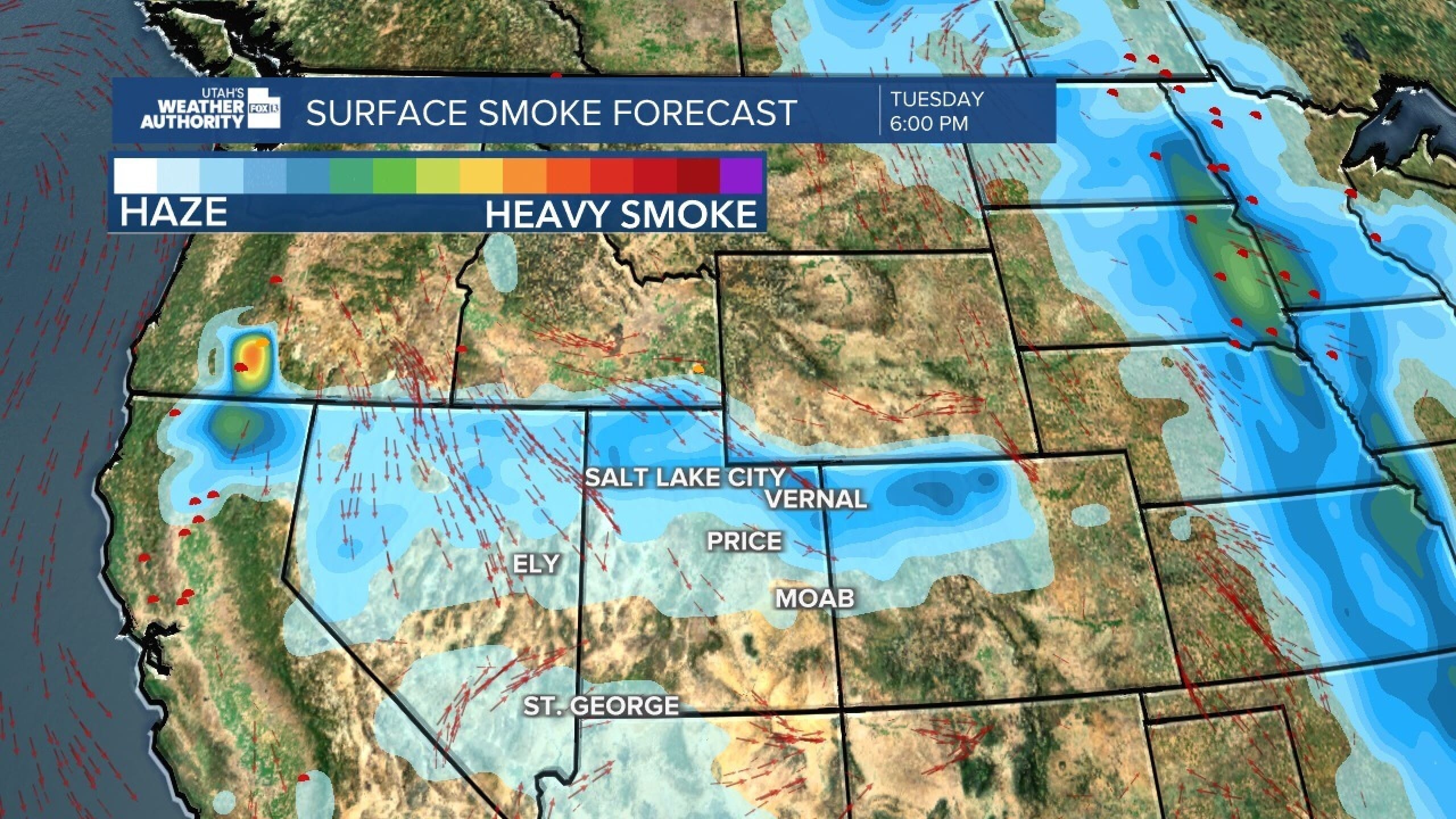
The National Weather Service’s Salt Lake City forecast discussion said northern valley inversions are expected to remain in place through Friday, with stagnant air contributing to decreasing air quality and visibility along the Wasatch Front.
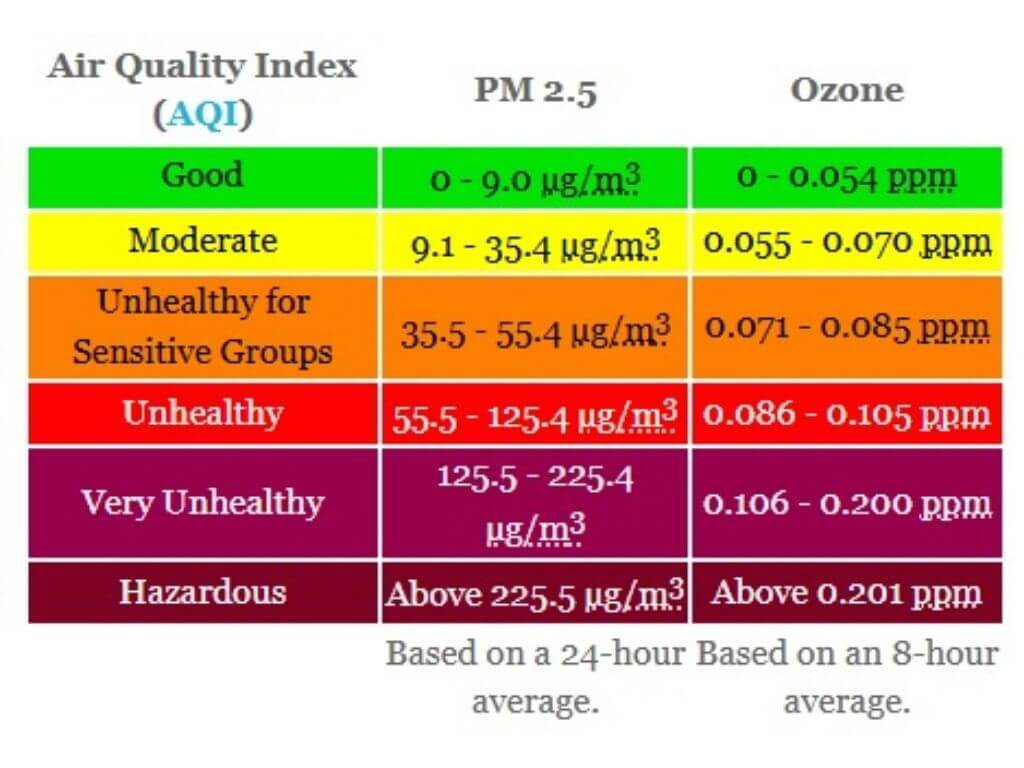
For context, the EPA’s AirNow scale defines “Unhealthy for Sensitive Groups” as AQI 101–150. Health guidance during higher-AQI periods typically emphasizes limiting prolonged or heavy outdoor exertion for sensitive groups, and tracking conditions hour by hour as they can change quickly.
Residents can monitor Utah DEQ conditions and forecasts at air.utah.gov and national AQI categories and guidance at airnow.gov.
By: Rebecca Brenner


325 White Pine Canyon Road
Park City, UT 84060
438 Castle Valley Drive
Castle Valley, UT 84532
1511 S Valley View Circle
Springville, UT 84663
2349 S Lava Vista Drive, Lot 32
Santa Clara, UT 84765
80 West 300 North
Salt Lake City, UT 84103
3267 W Deer Hollow Road, Unit 2305
Park City, UT 84060Talk of the Town


Park City Jobs

Hiring Barista Assistants and Baristas, Silver King Coffee
3 days ago Part time $17.00 - $30.00 hourly

General Maintenance Technician, Moose Management Vacation Rentals
6 days ago Full time

Office Coordinator, Park City Community Foundation
9 days ago Full time $50,000 - $55,000 yearly

Summit Land Conservancy Programs Specialist, Summit Land Conservancy
9 days ago Full time
Vice President of Finance, Park City Community Foundation
9 days ago Full time $115,000 - $130,000 yearly