Snow
UDOT plans expanded bus service, tolling to ease congestion in Little Cottonwood Canyon

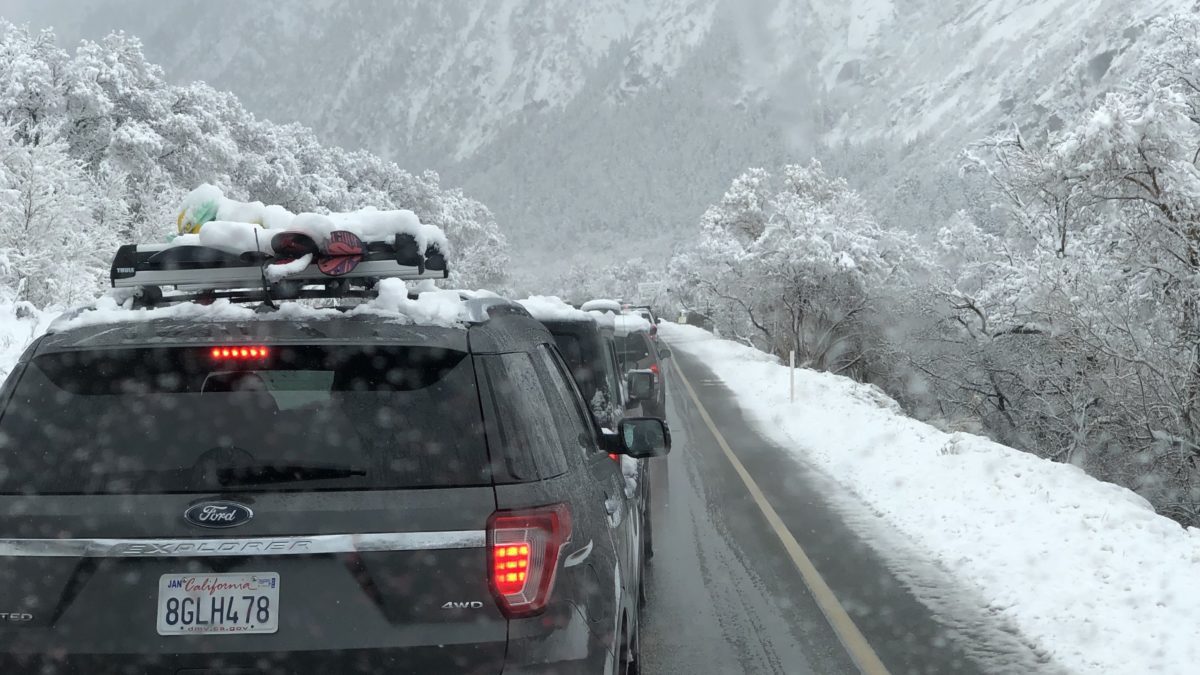
The traffic snake at Little Cottonwood Canyon on a pow day. Photo: TownLift // Kevin Cody
SALT LAKE CITY — The Utah Department of Transportation announced plans last week to significantly expand bus service and build new transportation infrastructure in Little Cottonwood Canyon (LCC) over the next two years, aiming to reduce traffic congestion and improve winter travel reliability.
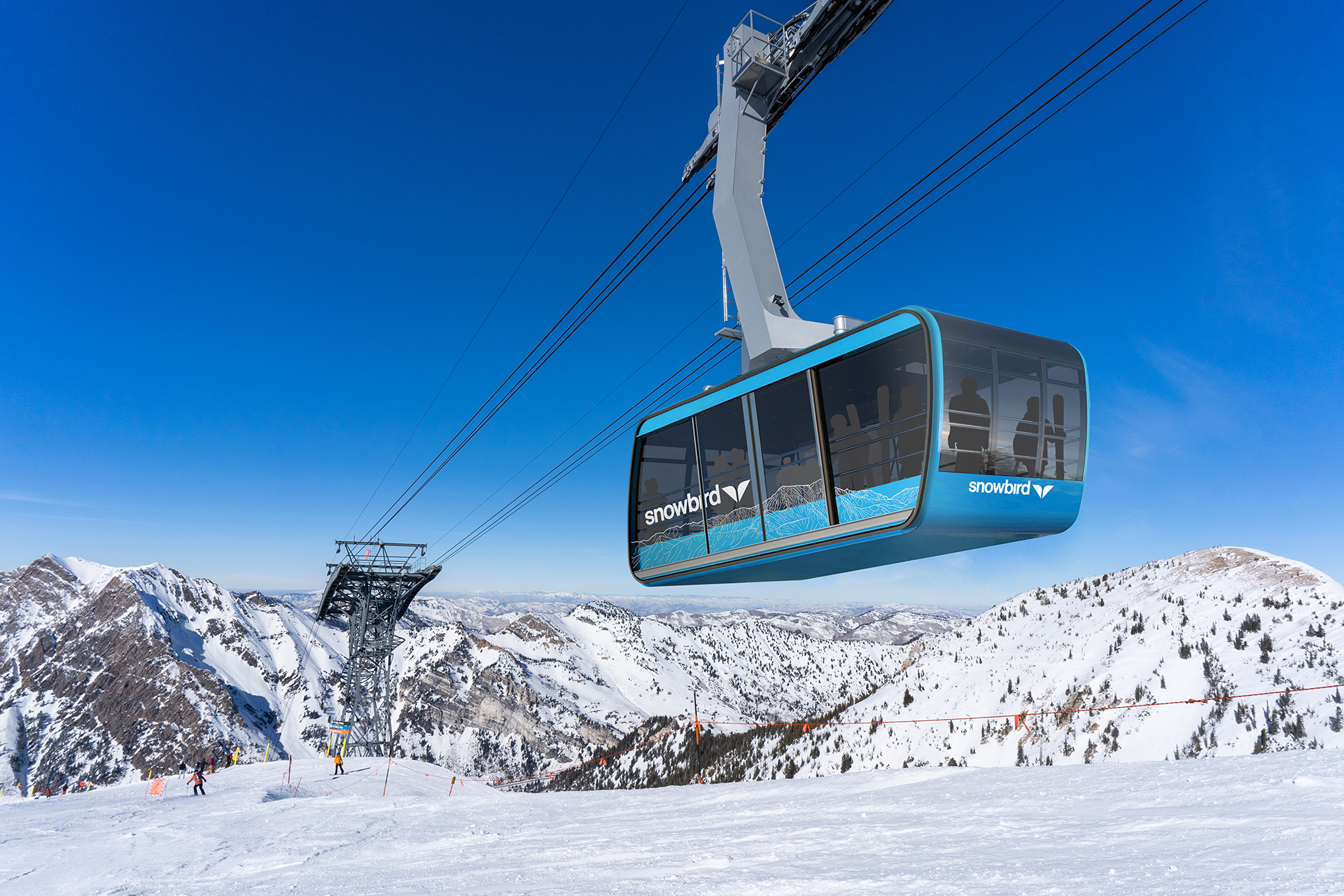
Little Cottonwood canyon is home to two major Utah ski resorts, Alta and Snowbird, which draw a large volume of skiers and snowboarders up its winding alpine route. Traffic, combined with the frequent need to mitigate avalanches to make travel safe have made LCC tricky to navigate.
The effort to help the situation begins with construction of a new mobility hub near the mouth of Big Cottonwood Canyon, designed to give travelers a centralized place to park and transfer to buses before heading into LCC. Transportation officials say shifting more visitors to transit is key to reducing the volume of vehicles entering the narrow canyon corridor during peak ski season.
Under the plan, bus service to LCC would increase substantially, with buses running every 10 to 20 minutes during high-demand periods. The changes would mark a major increase from current service levels and are intended to make transit a more dependable alternative to driving.
To accommodate higher ridership, UDOT plans to construct new bus stops at Snowbird and Alta. The stops would be built to handle larger crowds and improve safety and comfort for riders waiting in winter conditions.
UDOT is also advancing plans for a tolling system aimed at managing demand on the canyon road during the busiest winter days. While final details are still under development, the toll would be electronic and activated only during periods of heavy congestion. Pricing would vary based on demand, and drivers would not be required to stop.
Transportation officials say tolling, combined with the elimination of winter roadside parking near the resorts, would help smooth traffic flow and improve safety along the route.
Devin Weder, a UDOT project manager, said the agency is responding to long-standing congestion problems that have intensified in recent years as ski visitation has grown.
“We’re dealing with challenges that have been building for a long time and have reached a point where action is needed now,” Weder said. “Expanding transit and upgrading infrastructure allows us to make meaningful improvements in the near term.”
UDOT still must complete final design work and secure remaining approvals, including federal authorization related to tolling. Construction on transit infrastructure is expected to begin soon, with the goal of having the expanded bus service and demand-management tools in place within two years.
Salt Lake County Mayor Jenny Wilson praised the state’s decision to move forward with what she described as practical, near-term solutions, saying the approach avoids waiting decades for large-scale projects to deliver relief.
The bus expansion and tolling proposal represents the first phase of a broader, multiphase strategy to address congestion in LCC. A gondola system remains under consideration as a later phase, though its future is uncertain amid ongoing legal challenges.
For now, UDOT officials said the focus is on improving transit access in LCC while pursuing similar bus-based improvements in Big Cottonwood Canyon pending the outcome of an environmental study.
By: Marina Knight


1271 Lowell Avenue, C202
Park City, UT 84060
4170 Vista Antigua Road
Moab, UT 84532
1355 E Snow Canyon Parkway, Lot 27
Ivins, UT 84738
4028 E Outcrop Road
Park City, UT 84098
1104 West 10125 South
South Jordan, UT 84095
4155 S Parkview Drive
Salt Lake City, UT 84124Talk of the Town


Park City Jobs

SENIOR HOA BOOKKEEPER WANTED, Compass Management Services
5 days ago Full time

Systems Administrator, Basin Recreation
9 days ago Full time $70,645 - $88,306 yearly
Accounts Payable Lead Coordinator, Basin Recreation
9 days ago Full time $58,871 - $73,588 yearly

Logistics Specialist, PACIFICORP
10 days ago Full time $28.71 hourly

Maintenance Tech, Utah Olympic Park
10 days ago Full time $20.00 - $24.00 hourly