Sponsored
Real certifications, real careers: What Park City High School’s CTE program delivers
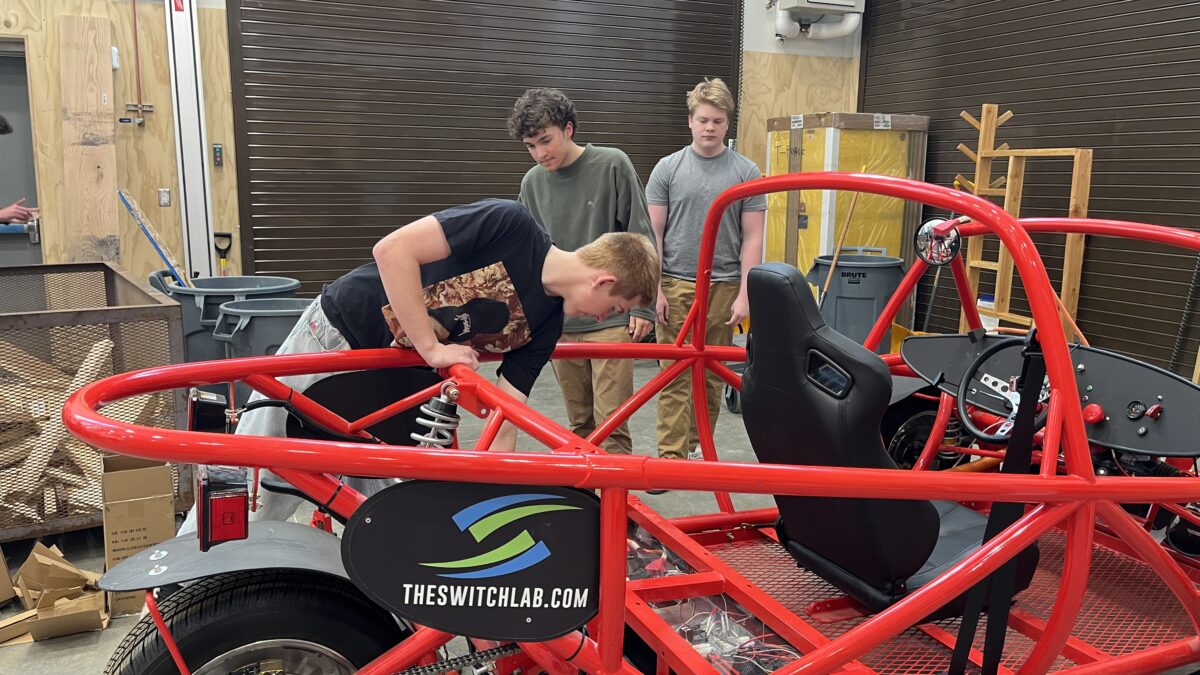
Students in Park City High School’s engineering lab fine-tune their Switch Lab electric car kit. Photo: Rebecca Brenner Photo: Rebecca Brenner
Students graduate with industry-recognized credentials that make them more appealing to employers—some before they even leave high school
PARK CITY, Utah — At Park City High School, the Career and Technical Education (CTE) program allows students to graduate with more than just a diploma. With industry-recognized certifications, work experience, and college credits already on their transcripts, students gain a significant advantage as they prepare for life after high school.
“CTE is really about preparing students for their future, whatever that may look like,” said Tracy Fike, the Career and Technical Education director for Park City School District. “Whether students go straight into a career or continue to college, we want them to have hands-on learning experiences while they are still in high school.”
What is CTE?
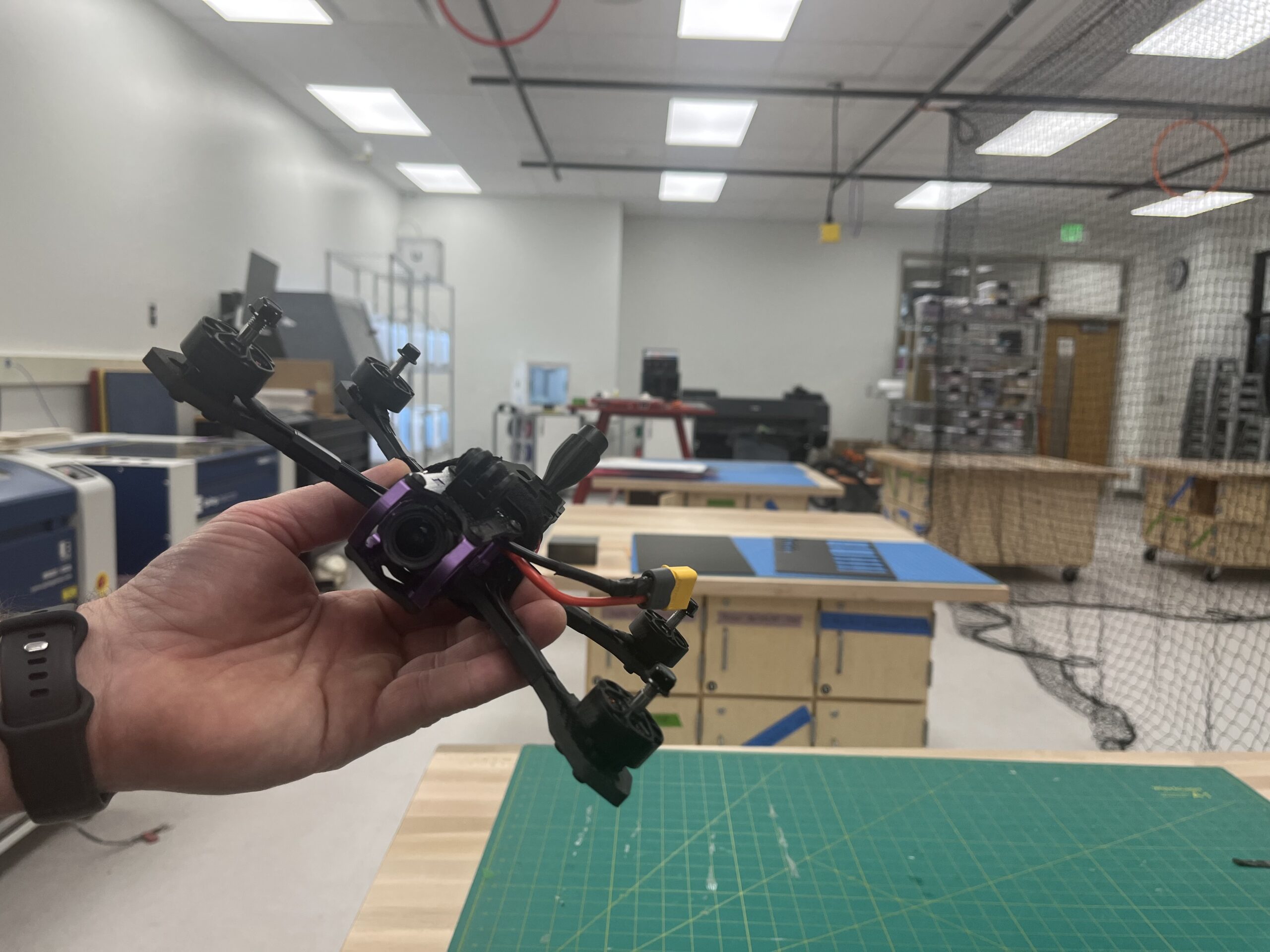
The CTE program offers hands-on classes linked to real careers, organized into specific pathways that can lead to both certifications and college credit while still in high school. At Park City High School, pathways cover a wide range of fields, including engineering, architecture, media, digital design, business, computer science, construction, education, health sciences, culinary arts, aviation, and protective services.
“In CTE, we emphasize communication, leadership, professionalism, and resilience,” Fike stated. “These skills are essential for students, regardless of their post-high school plans.”
Certifications that students can earn in high school
One of the most surprising aspects for many parents is the number of real certifications their students can earn before graduation. Depending on the classes they take, Park City High School students can leave high school with:
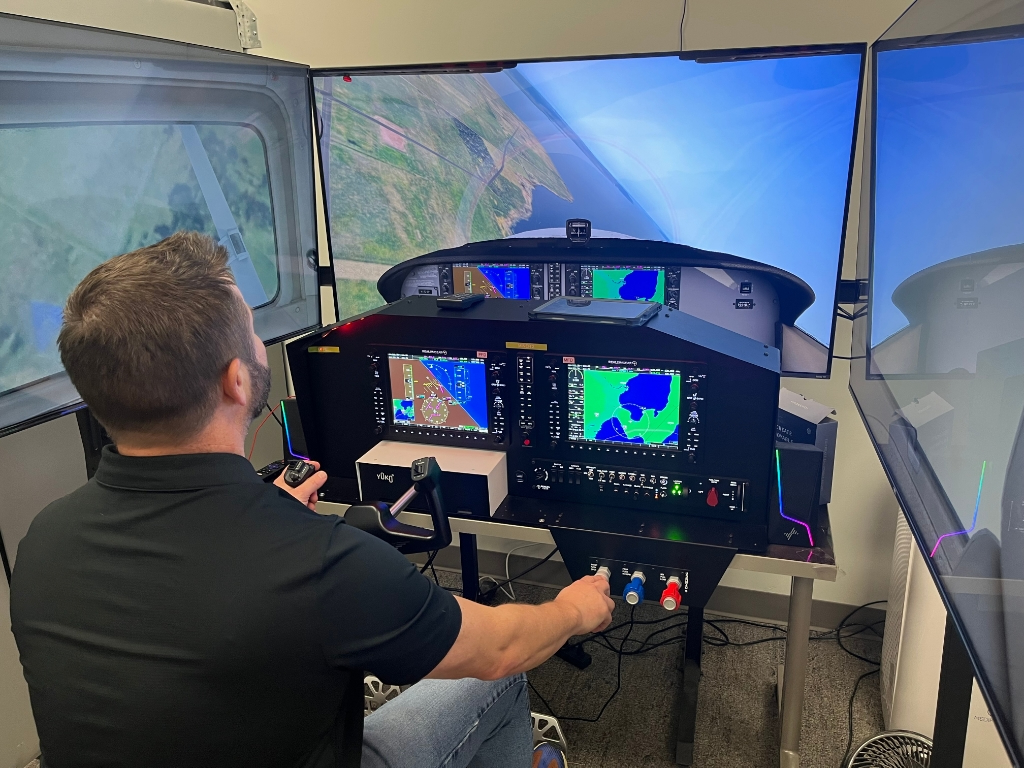
- Aviation credentials, such as the FAA Part 107 drone license through Unmanned Aerial Systems (drone aviation), and eligibility to take the FAA private pilot written exam after completing ground school.
- Safety certifications, including OSHA 10 and OSHA 30 in woodworking and construction-related classes.
- Health care credentials such as CNA (Certified Nursing Assistant), EMR (Emergency Medical Response), EMT (Emergency Medical Technician), CPR and First Aid, along with HIPAA certification in PCCAPS health science and related courses.
- Food handler permits in culinary arts and nutrition classes.
- Tech and design credentials such as the Certified SOLIDWORKS Associate license, the Autodesk AutoCAD Certified User exam, and Google Digital Garage certifications.
“These are qualifications students can immediately add to their résumés,” Fike noted. “Employers see certifications like OSHA 10, a food handler permit, or a CNA license and recognize that the student is serious and has already met a basic standard.”
These credentials are already helping students access new opportunities.
The aviation pathway, now in just its fourth year, is already sending graduates into collegiate aviation programs at Purdue University, Auburn University, Utah State University, Utah Valley University, and other schools. Some are pursuing aviation careers at the U.S. Naval Academy and U.S. Air Force Academy, while others are pairing aviation with CTE-related degrees at Arizona State University and the University of Utah. Many are actively flying at local schools and have already earned private pilot and instrument ratings, with a few progressing to commercial licenses or into engineering and robotics programs focused on drone technology.
The health science pathways show similar successes. Alumni who began in CTE health science classes at Park City High School are now attending the University of Utah School of Medicine. Others who completed the EMT program are employed by fire districts, while two graduates utilized skills learned in the biotechnology program to secure jobs at ARUP Laboratories while in college. Many nurses credit their first clinical experience to the school’s CNA program.

Earning College Credit through Concurrent Enrollment
In addition to certifications, many CTE classes offer Concurrent Enrollment, which allows students to earn both high school and college credits simultaneously.
“Concurrent Enrollment classes are taught at a true college level,” Fike explained. “Teachers apply through the university, align their curriculum with university standards, and maintain that rigorous level in the high school classroom.” Typically, in-state colleges accept these credits, giving students a head start in their postsecondary education.
PCCAPS: Real-World Projects with Local Partners
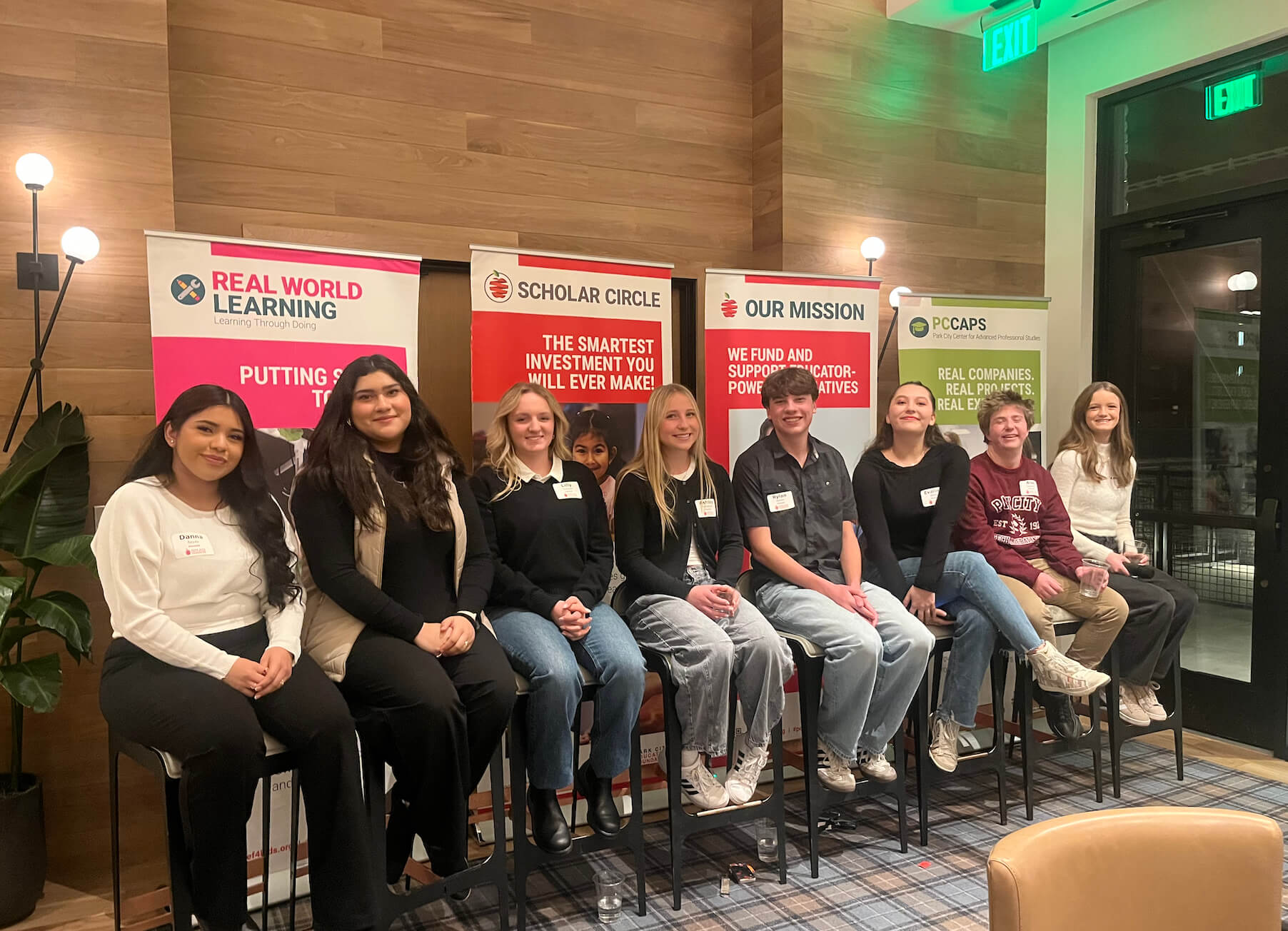
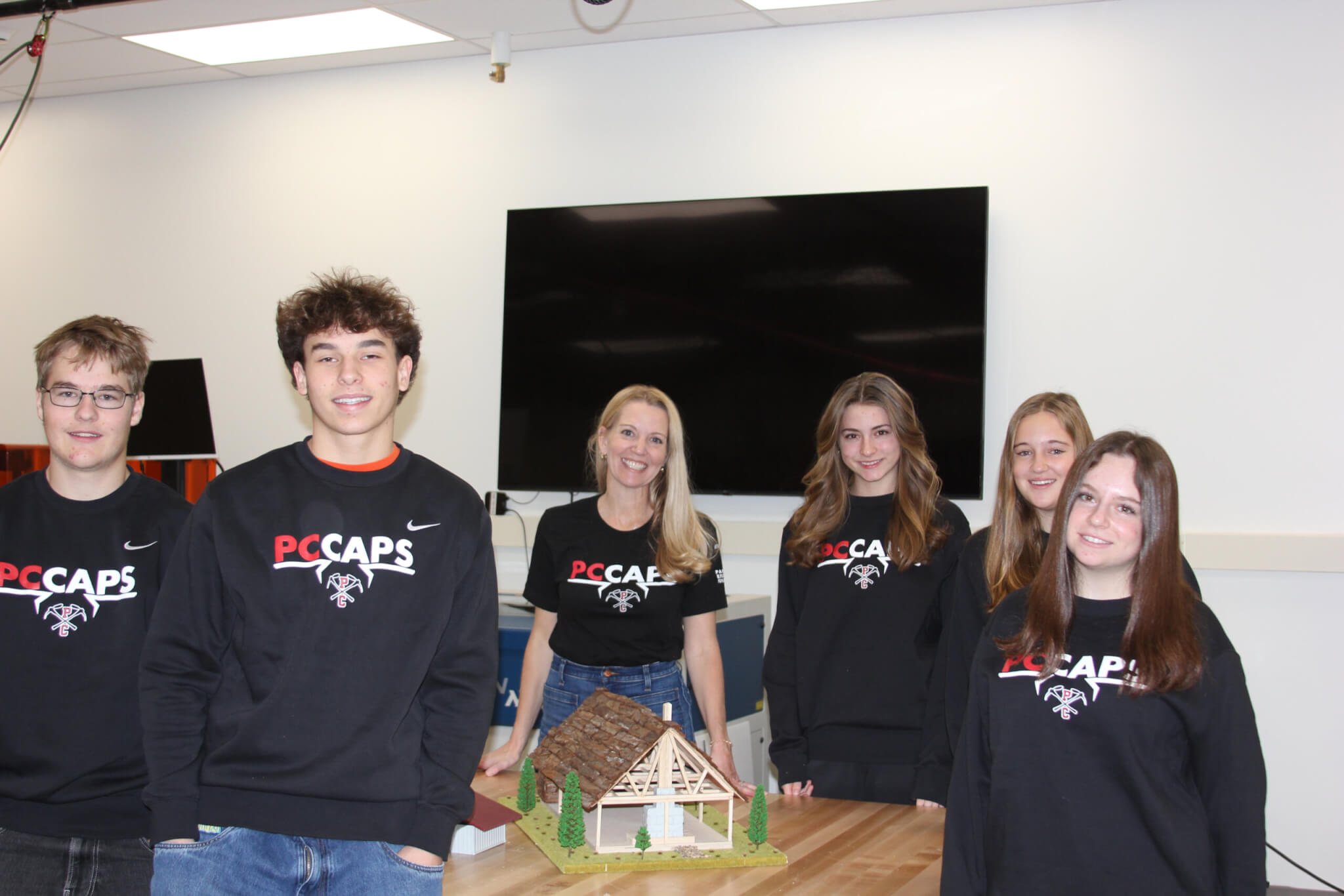
PCCAPS operates within the CTE framework and functions as an internal internship program for juniors and seniors.
“PCCAPS is where classroom learning meets real-world innovation,” said Adrienne Woolley, the PCCAPS program manager. “It’s hands-on, project-based learning that connects students with local companies and organizations.”
Students enroll in PCCAPS as a class and take on client projects across various strands, such as architecture and engineering, technology, business, digital design, drone technology, health sciences, and education.
One student entered PCCAPS without any experience in CAD or Revit, the architecture design software. After a semester working with a local construction partner, she learned both programs, discovered her passion for architecture, and secured an internship with a local firm during her senior year.
“She ended up with more CAD and Revit experience than a university architecture student she worked alongside,” Woolley said.
CTE also accommodates students who are already developing their own businesses.
In spring 2025, Park City High School student Levi Michalis joined the CTE entrepreneurship class with a small junk removal business. He used the class to refine his business model, apply key course concepts, and grow LQ Junk Removal into a full-fledged company.
“Two years ago, I co-founded LQ Junk Removal LLC with a vision of creating a cleaner, more sustainable environment,” Levi said. “Initially operating from my bedroom, we were able to use the entrepreneurship class at Park City High School to grow into a dedicated junk removal and hauling company serving our community.”
Students also develop essential skills such as writing professional emails, leading meetings, presenting to panels of judges, and building digital portfolios and resumes. Many leave the program with strong references and valuable connections in their fields.
How Parents Can Support Their Students
The district encourages families to review the course catalog with their students during spring registration. They should explore the Career and Technical Education (CTE) section of the Park City High School website and reach out to school counselors and the CTE team with any questions or to attend information nights and open houses. For inquiries about pathways and certifications, families can contact Fike. For questions regarding PCCAPS or to determine if it’s a good fit, they can reach out to Woolley.
“As a parent and an employee, I take great pride in what we offer,” Fike said. “I want everyone to be aware of the available options so they can share that same pride with their students.”
The Bottom Line
At Park City High School, CTE and PCCAPS are transforming the traditional high school experience. Students can earn certifications that lead directly to jobs, gain college credits before graduation, and build real-world experience through partnerships with local companies and community organizations.
With support from the Park City Education Foundation, these programs provide students with a significant head start, whether they plan to enter the workforce immediately, pursue college, or are still exploring their options. For more information on CTE pathways, PCCAPS projects, and how to get your student involved, visit the Park City High School website or contact your student’s counselor to initiate the conversation.
By: Sponsored by Park City Education Foundation


325 White Pine Canyon Road
Park City, UT 84060
2349 S Lava Vista Drive, Lot 32
Santa Clara, UT 84765
1511 S Valley View Circle
Springville, UT 84663
438 Castle Valley Drive
Castle Valley, UT 84532
80 West 300 North
Salt Lake City, UT 84103
3267 W Deer Hollow Road, Unit 2305
Park City, UT 84060Talk of the Town


Park City Jobs

Hiring Barista Assistants and Baristas, Silver King Coffee
7 days ago Part time $17.00 - $30.00 hourly

General Maintenance Technician, Moose Management Vacation Rentals
10 days ago Full time

Office Coordinator, Park City Community Foundation
13 days ago Full time $50,000 - $55,000 yearly

Summit Land Conservancy Programs Specialist, Summit Land Conservancy
13 days ago Full time
Vice President of Finance, Park City Community Foundation
13 days ago Full time $115,000 - $130,000 yearly