Town & County
Basin Rec tax increase stalls after split Council vote; public raises concerns over costs, use

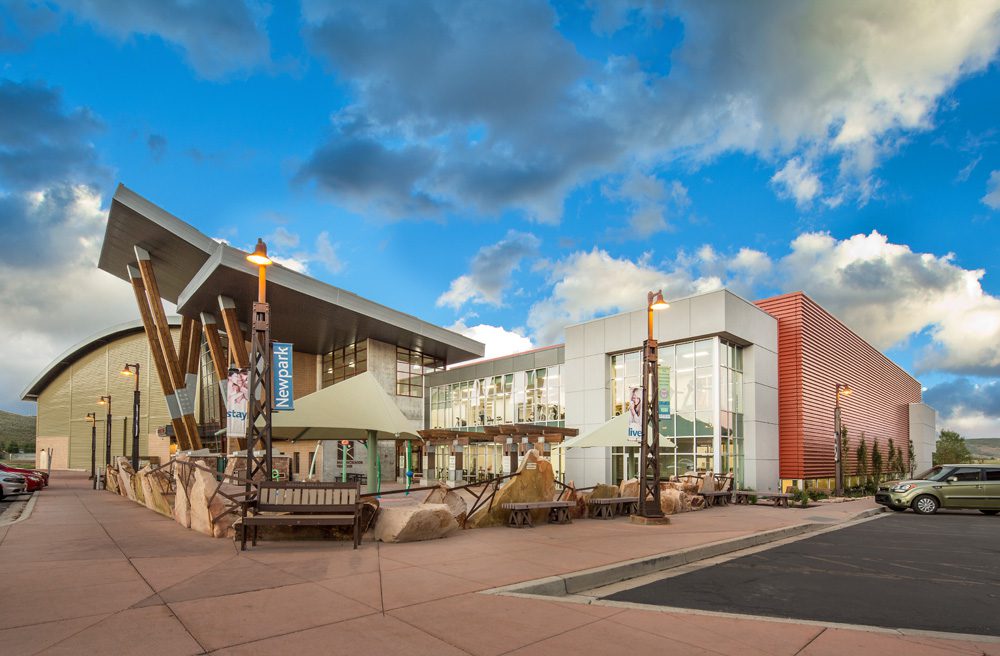
Photo: Basin Recreation.
SUMMIT COUNTY, Utah — A proposal by the Snyderville Basin Special Recreation District to raise its property-tax revenues by 15% drew a mixed response from residents and a split Summit County Council on Tuesday. Officials decided to delay a final decision until next week.
The increase — roughly $6.10 per $100,000 of taxable home value — would generate an additional $1.34 million for Basin Recreation’s 2025 budget. Recreation District officials said the money is needed to cover rising insurance costs, hire five full-time employees, increase part-time staffing, expand recreation programs, and maintain aging facilities and open spaces.
A 2–2 council vote left the district without an approved budget for 2025. Councilmember Chris Robinson was absent so the council rescheduled the vote for Dec. 10 rather than allow the budget to fail.
District: $50 more per year for typical homeowner
Basin Recreation leaders emphasized that the 15% increase applies only to the portion of the tax bill that funds the district — not a 15% increase to an entire property-tax bill.
For a primary residence with a taxable value of roughly $1.5 million, officials said the increase would amount to about $50 per year. Non-primary residences would see a higher impact because they are taxed at the full property value.
“This is the district’s main revenue source,” said Basin Rec board member Ben Castro. “Our facilities are over 40 years old, our insurance costs are up, and we’re trying to stay ahead of maintenance rather than fall behind.”
District staff said they expect an 8% increase in fee revenue next year from programs and Fieldhouse usage — a step they said helps reduce reliance on taxes.
Public concerns: ‘I’m funding other people’s recreation’
The district has raised its tax rate twice in the past five years — by about 20% in 2019 and 17% in 2022. Prior to that, it had gone 14 years without a truth-in-taxation increase.
Councilmember Canice Harte said Basin Rec has become one of the most common topics residents contact her about.
Others expressed concern that Basin Rec’s services, especially trails and the Fieldhouse, are heavily used by non-residents.
“I’m looking at a lot of money going into Basin Rec and not getting a lot of return,” Harte said, adding that his own Basin Rec taxes total more than $500 a year when including two voter-approved bonds. “I’m funding other people’s recreation.”
Residents also questioned increases in administrative salaries, benefits and consultant spending listed in the district’s budget documents, along with the maintenance costs associated with niche amenities.
During public comment, longtime Basin resident and former Snyderville Basin Planning Commissioner Thomas Cooke urged the council to “zoom out” and examine the pattern of Basin Recreation’s tax increases. Cooke noted the district has raised its rate three times in six years and referenced former director Dana Jones’ past comments that Basin Rec planned “smaller tax increases more frequently to avoid sticker shock.”
Bill Rusconi criticized the proposed tax increase, highlighting steep rises in the Basin Rec budget: administrative salaries up 22%, benefits 27%, consultants 438%, liability insurance 49%, and capital projects and trail contract services more than 200%. He questioned whether the district’s spending reflects actual local use, pointing to amenities like mountain bike trail signage and a seasonal disc golf course.
“These are the things—the Chinese proverb, it’s death from 1,000 cuts,” Rusconi said, warning that cumulative costs burden local taxpayers.
Basin Rec pushes back
Recreation District officials said they have reviewed their budget line-by-line and are already outsourcing services such as janitorial work when it is cheaper. They said the five new full-time positions — including IT, accounting, planning, recreation programming and marketing/outreach — reflect staffing gaps and legal requirements around data security.
They also defended the district’s approach to modest, periodic tax adjustments rather than large increases years apart. County staff echoed that point, citing past failures by other local districts to keep tax rates aligned with inflation.
The council will resume its deliberations on Dec. 10.
By: Marina Knight


325 White Pine Canyon Road
Park City, UT 84060
3267 W Deer Hollow Road, Unit 2305
Park City, UT 84060
1511 S Valley View Circle
Springville, UT 84663
438 Castle Valley Drive
Castle Valley, UT 84532
80 West 300 North
Salt Lake City, UT 84103
2349 S Lava Vista Drive, Lot 32
Santa Clara, UT 84765Talk of the Town


Park City Jobs

Hiring Barista Assistants and Baristas, Silver King Coffee
5 days ago Part time $17.00 - $30.00 hourly

General Maintenance Technician, Moose Management Vacation Rentals
9 days ago Full time

Office Coordinator, Park City Community Foundation
12 days ago Full time $50,000 - $55,000 yearly

Summit Land Conservancy Programs Specialist, Summit Land Conservancy
12 days ago Full time
Vice President of Finance, Park City Community Foundation
12 days ago Full time $115,000 - $130,000 yearly