Harmful algal bloom persists at Rockport Reservoir into late October

Utah water-quality officials are urging people and pets to avoid contact with affected water
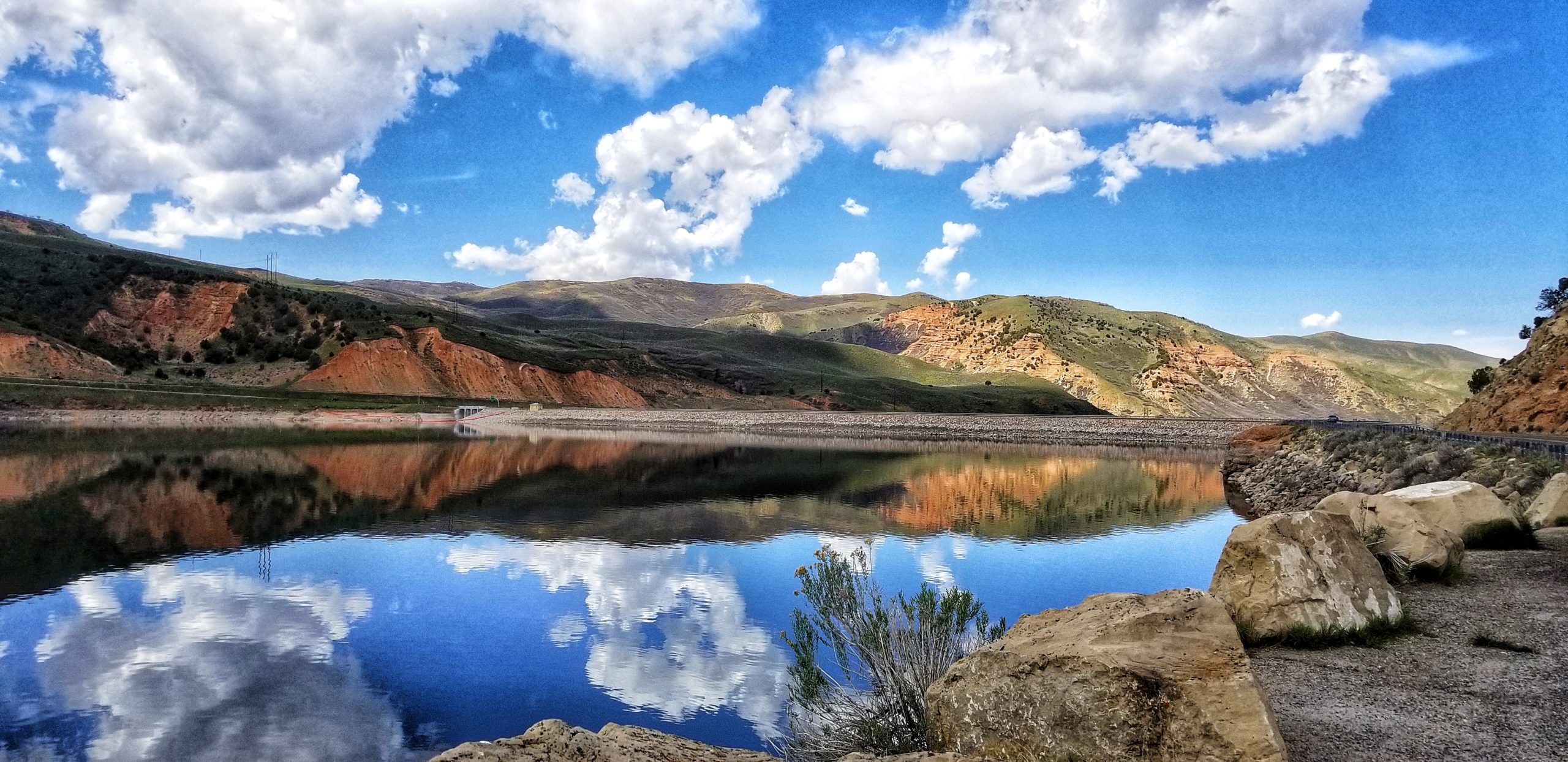
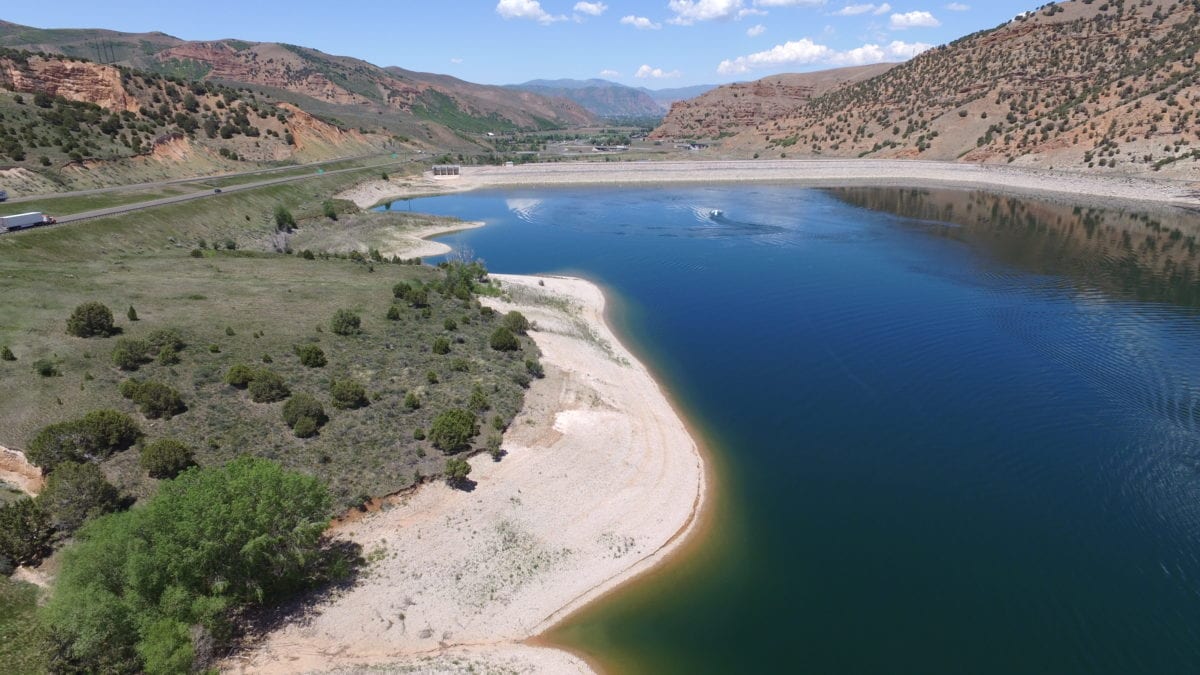
WANSHIP, Utah — A harmful algal bloom remains present at Rockport Reservoir as October comes to a close, according to the Utah Department of Environmental Quality.
In its latest update, dated Oct. 21, the Utah Division of Water Quality said algae in Rockport Reservoir may be producing toxins that can make people and animals sick.
The agency advises visitors not to swim or water ski, to avoid areas of visible algae while boating, and to keep pets and other animals away from the water. People should also avoid drinking reservoir water.
Fishing is still possible, but the Division of Water Quality recommends cleaning fish thoroughly and discarding the skin and internal organs before eating them.
The bloom developed after earlier monitoring showed no visible signs of harmful algae.
On Sept. 14, Division of Water Quality crews reported no visible harmful algal bloom at three Rockport sampling locations: Highland Picnic Area, West Beach along State Route 32, and the west end of the dam. By Sept. 25, the agency was reporting that a harmful algal bloom was present.
The same advisory remained in place in updates issued Oct. 5 and Oct. 21.
Harmful algal blooms occur when cyanobacteria multiply rapidly in lakes and reservoirs. According to the Division of Water Quality, conditions that encourage blooms are most common in late summer and early fall and include warm temperatures, abundant sunlight, slow-moving or stagnant water, and elevated nutrient levels.
Blooms can disappear after a week or two, but the agency says favorable conditions can produce overlapping blooms over several months. Toxins can also remain in the water after visible algae begins to disappear.
Rockport is not the only Summit County reservoir dealing with a bloom this fall.
The Division of Water Quality’s most recent update for Echo Reservoir, dated Oct. 5, also reported a harmful algal bloom and carried the same recommendations to avoid swimming and water skiing, keep animals away, and avoid visible algae while boating.
Visitors can check current recreational water-quality conditions through the Utah Department of Environmental Quality before heading to a reservoir.


4251 E Lipizzan Jump
Moab, UT 84532